
In Addition
Vol 17 号 3
May / June 2026
1. Health article
Men! Take Care of your Reproductive Health!
“Men have more freedom than women and hardly any constraints which women face. What is the use of your education if you do not use such freedom for the service of society? Everywhere man seeks to live happily and peacefully but happiness and peace are not won from worldly activities. The body that yearns to be happy and secure, is subject to disease, decay and death. The Dweller, the self, within the body, is however not born, nor does it die. It is the Atma, God. The body is the temple of God. Hence it is the duty of man to keep the temple in good condition.”…Sathya Sai Baba1,2
Introduction: In the previous issue of our newsletter, we dealt at length about taking care of women’s reproductive health. Men also undergo functional and physical changes throughout their life from childhood and should know how to be proactive about their reproductive health to meet the vagaries and pangs of growth.
1. Male reproductive system
Key reproductive organs (genitals) responsible for sexual function, reproduction, and urination are both inside and outside the pelvis. The external ones are penis, scrotum, and testes (testicles); internal accessory organs include epididymis, vas deferens, prostate gland, urethra, and seminal vesicles.3-6
1.1 External genitals: Penis is a spongy tissue with a cone shaped tip called glans (head) covered by foreskin and has many sensitive nerve endings. Scrotum is a loose pouch-like sac of skin that hangs behind the penis and holds in place the testes, the two oval shaped glands that produce millions of tiny sperm cells. Scrotum also provides a sort of climate-control system by changing its size, to keep the testes cooler than body temperature to ensure normal sperm development; when the body is cold, the scrotum shrinks and becomes tighter to hold in body heat and, when warm, it becomes larger and flappier to get rid of extra heat.
Testes are also part of the endocrine system as they make hormones including testosterone through puberty in boys.3-6
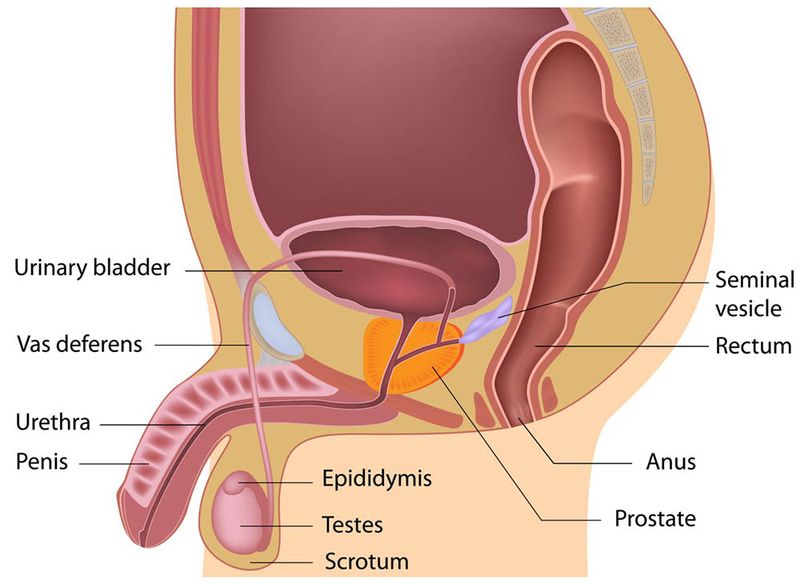
1.2 Internal reproductive organs: Epididymis, a tightly coiled tube inside the scrotum at the back of each testis, helps mature, store, and transport the sperm cells. Vas deferens is a muscular tube connected to the epididymis and carries the mature sperms up to the walnut-sized prostate gland and urethra that runs through the centre of this gland. Prostate gland plays a crucial role in male fertility and helps in making the extra fluid in semen to nourish the sperm cells and lubricate the urethra which carries both urine and sperm out of the penis. Seminal vesicles are two small glands below the bladder clinging to the vas deferens that make up much of the fluid in the semen which carries the sperms during ejaculation.3-6
2. Stages in growth of males
Growth happens at different rates, depending on their genetics and other factors; most growth happens in the teen years; some continue developing into their 20s.7
2.1 Puberty: It is body’s natural way of physically becoming an adult when major organs and body systems gradually mature. Primarily induced and regulated by the pituitary gland, the testes 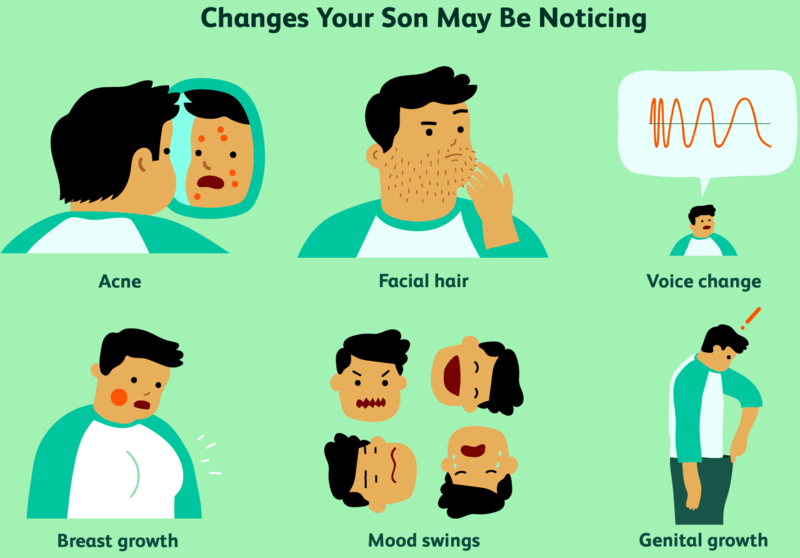 produce about 95% of the hormone testosterone. It increases fast at the onset of puberty, around age 11, from approximately 25-30 ng/dL (nanograms per decilitre in the blood) to 300-1000 ng/dL in adult males. This causes many changes in the body of boys – scrotum and testes get bigger, penis gets longer, hair grows in the pubic area, underarms, and face, seminal vesicles and prostate gland grow and sperm cells form, muscles become bigger and stronger, shoulders get wider, voices deeper with temporary cracking; there is growth in height and weight, sweating, body odour, oily skin and acne. All these indicators may be minimal or delayed if the hormone production is less than the normal range during puberty. If in excess, puberty may dawn earlier around age 9.7-11
Boys undergo some emotional discomforts during puberty while going through the various physical changes like girls, though on a different scale. They may also feel clumsy or insecure. Parents should be observant and appropriately talk to their kids and make them feel comfortable about their bodies and the changes they are experiencing. Signs of anxiety, depression, mood swings, or aggression may be visible while they cope with their changes. Watch out! As they grow, young men may also tend to indulge in risky behaviours like drinking and fast driving.7-11
2.2 Late-onset hypogonadism: Men do not experience menopause like women do in their 40s and 50s. Testosterone levels remain in the standard range in majority of men till the age of 80 or more. Decline in fertility is very gradual in males as metabolism starts slowing in their 30s and 40s; normally testosterone level drops by about 1% every year from age 40. It gets accelerated and becomes noticeable after 50, causing changes in the way fat is distributed, extra weight around the mid-section, less hair on the head and more in the ears and nose. Poor eating habits, inadequate restful sleep or irregular sleep, and lack of exercise can make it uncomfortable for them.7,9,12-14
2.3 Health risks for aged men: Chronic conditions in older adults above 65, worldwide, are predominantly hypertension, high cholesterol, arthritis, and obesity, followed by diabetes, cancer, and heart disease. Depression and pulmonary or respiratory disorders also may catch up depending on one’s life style and habits. In India, most men suffer from cardiovascular diseases and hypertension, followed by musculoskeletal issues and diabetes. In some places, ocular and gastrointestinal disorders also dominate the aged.15-17
3. Reproductive or hormonal disorders in men
3.1 Fertility decline: Fertility issue in young men is inability to cause pregnancy due to low sperm count, poor motility, or abnormal morphology, mostly caused by swollen veins, infections, 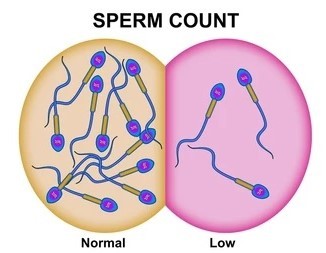 hormonal or genetic issues, or lifestyle factors like drinking and smoking. After age 50, when fertility declines along with sperm quality, sperm DNA is damaged, and testes shrink or soften, there are increased risks of miscarriage and developmental disorders in the offspring like autism, schizophrenia, and genetic abnormalities.18,19,20
3.2 Erectile dysfunction (ED): It is inability to achieve or maintain an erection sufficient for a satisfactory sexual performance, more 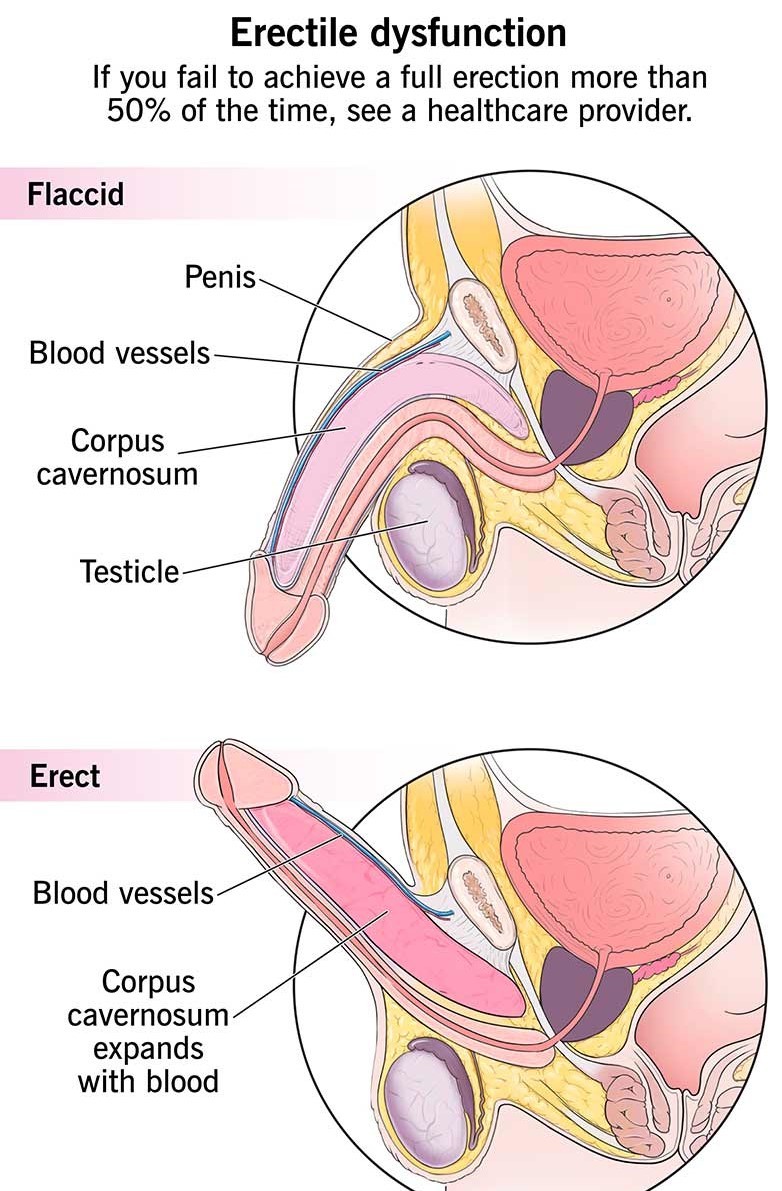 common with age, due to reduced blood flow to the penis, or diabetes, medication, or lower testosterone. It is becoming increasingly common in young adults due to lifestyle and psychological factors.21,22
3.3 Hormonal imbalance: It happens when one has too much or too little of one or more hormones. It causes changes in body functions, sleep patterns, and energy levels, including sexual dysfunction due to high stress levels of a fast-paced life and poor 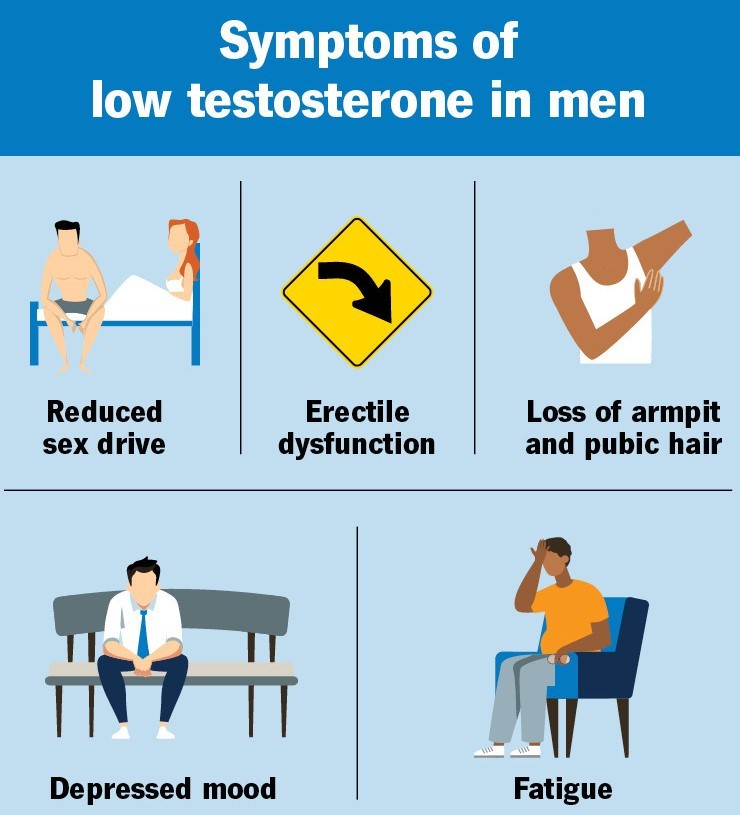 diet and exercise habits. These are broadly: chronic stress with brain fog, body aches, and sleep disturbances due to low level of cortisol, the stress hormone, resulting from long exposure to stress; hypothyroidism due to underactive thyroid with symptoms of weight gain, fatigue, and cold intolerance; hyperthyroid issue due to overactive thyroid with weight loss, anxiety, rapid heart rate, and heat intolerance. Testosterone deficiency: Symptoms are unexplained reduction in muscle mass and an increase in body fat, mild unexplained anaemia, breast tenderness or swelling, loss of body hair, depressed mood, hot flashes or sweats, erectile dysfunction, low libido/sex drive, osteoporosis, joint pain, fatigue, difficulty with concentration and memory, and rise in sleepiness or sleep disturbances. Obstructive sleep apnoea, obesity, stress from a serious illness or hospitalization, or pain killers can also be the cause for low testosterone.23-25
3.4 Benign prostatic hyperplasia (BPH) & Prostate cancer. Prostate enlarges with age, usually after
50, affecting 50% of men. Symptoms of BPH are: frequent or sudden need to urinate, especially at night, difficulty starting or stopping urination, a weak, slow, or interrupted stream of urine, inability to completely empty the bladder, dribbling or leaking (incontinence), blood in urine or semen (common symptom of 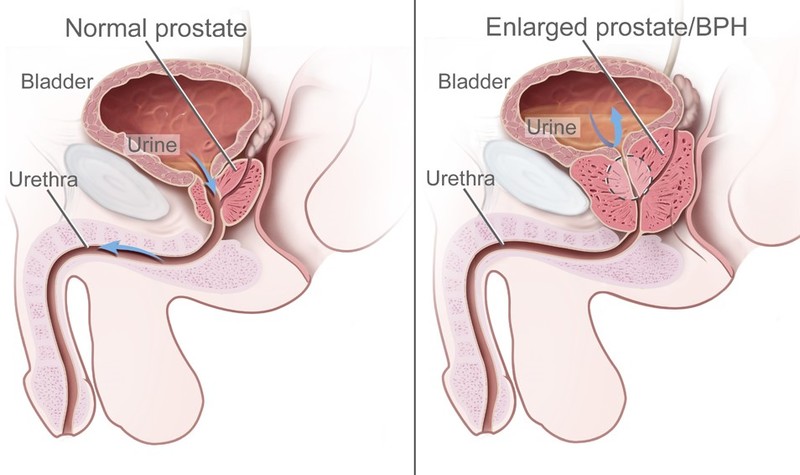
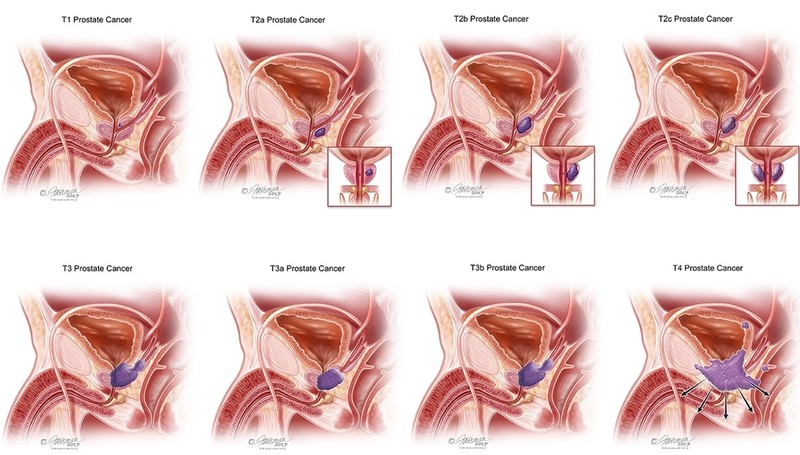 cancer), painful or burning urination, and change in urine colour. BPH can block urethra, and if not treated, can cause urinary tract infection, bladder stones, or damage to kidney. In prostate cancer, similar symptoms arise, along with severe pain in bones and lower back, hip, upper thighs, or chest; as the disease progresses slowly and if diagnosed early, it is treatable. Grading and staging define the progress of cancer through a system called Gleason scoring system where the score for prostate cancer ranges from 6 (low-grade) to 10 (high-grade) cancer.26-29
3.5 Prostatitis is when tissues in and around prostate become swollen. It can be acute (with fever and chills - an emergency) or chronic bacterial prostatitis that develops slowly, often caused by r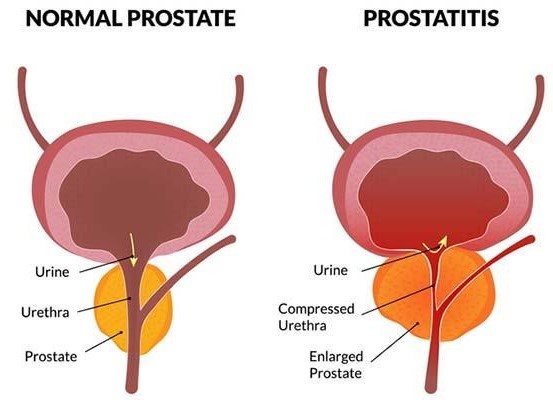 ecurring urinary tract infections. It could also be the most common chronic pelvic pain syndrome (CPPS) with persistent pain in pelvic region without active infection; or inflammation without symptoms, often detected during fertility or cancer checks.30,31
3.6 Significance of PSA test: A PSA (prostate-specific antigen) blood test will show the level of protein produced by the prostate in the blood. PSA levels below 4 ng/mL indicate a lower likelihood of prostate cancer, while levels between 4-10 ng/mL may reflect benign conditions such as BPH or prostatitis and carry a low to moderate risk; values above 10 ng/mL are associated with a higher probability of cancer. Remember that PSA is not a cancer test, it is a risk indicator. While PSA testing has benefits like early detection and lower mortality, it may also lead to unnecessary biopsies, overdiagnosis of slow growing tumours, and a risk of overtreatment.32
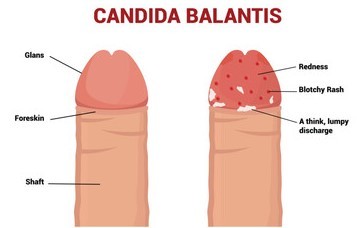
3.7 Other male disorders are: (i) balanitis is a painful, discoloured, and itchy inflammation of the
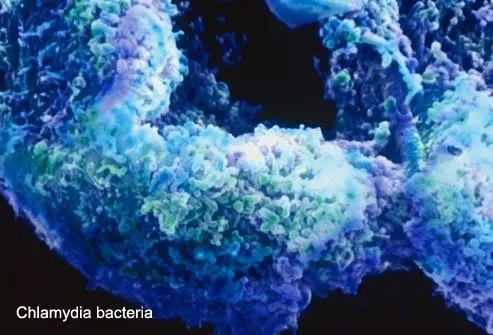
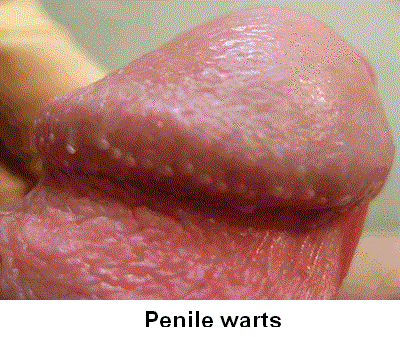
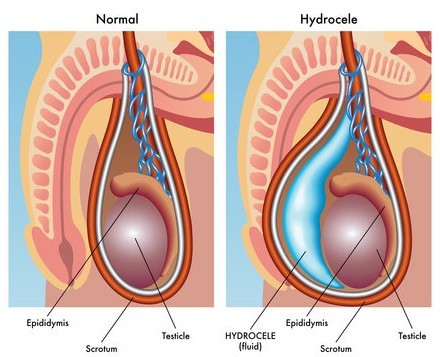
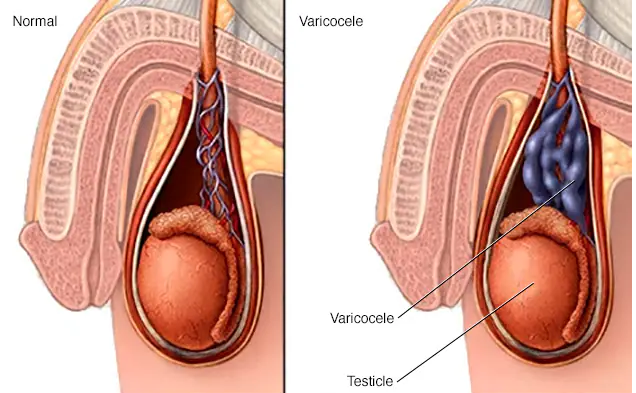
Foreskin and head of penis, typically caused by yeast infection, sometimes by virus, bacteria, or skin condition due to poor hygiene; (ii) chlamydia is the most common sexually transmitted bacterial infection, mostly asymptomatic, so, regular urine testing is reended as part of health maintenance; (iii) penile warts, caused by low risk human papillomavirus, are tiny cauliflower like clusters or grey bumps on the penis, scrotum, or anus, a common sexually transmitted infection (STI), which may recur; (iv) hydrocele is a soft fluid filled lump in the scrotum, more common in newborns; the swelling being in a sensitive part, it can be alarming though not always painful. (v) varicocele - veins in the scrotum enlarge like a bag of worms, with dull aching pain (worse when standing); this is due to faulty valves causing blood to pool, mostly during puberty, and can cause infertility.35-39
4. Tips for reproductive health of men
- Take time out to care for your body and mind where divinity resides, with awareness, appropriate lifestyle, and hygiene, free of harmful habits like smoking, drinking etc. to attain the purpose of this precious life joyfully!
- Ensure annual check-ups especially after 35 for blood pressure, blood sugar, cholesterol, and testosterone; early detection prevents heart disease, diabetes, hormonal complications; after 50 (40 for those with family history), get a PSA blood test done after consulting your doctor.15-17,32-34
- Self-exam monthly: Men to check their testes for lumps, swelling, or changes in size/shape, do it in the shower for ease; testicular cancer peaks in men aged 15-35 but is highly curable if caught early; keep the testicles cool by avoiding hot tubs and tight underwear.40,41
- Seek help early: Sexual health isn't optional: Erectile dysfunction (ED) can signal heart disease or diabetes, not just "aging”, and it is treatable.21,22
- Don't ignore urinary symptoms like frequent nighttime trips, weak stream, or urgency.26-29
- Do not skip help for depression or anxiety. If mood swings, irritability, or loss of interest last over two weeks, talk to a healthcare professional.
References and Links
- Sathya Sai Speaks, Divine Discourse, vol 32, 25 Dec 1999: https://saispeaks.sathyasai.org/discourse/divine-love-true-religion
- Sathya Sai Speaks, Divine Discourse, Vol 15, Chapter 21 “ Good Health and Goodness”, 30 Sept 1981: https://saispeaks.sathyasai.org/discourse/good-health-and-goodness#
- Male reproductive system: https://www.healthdirect.gov.au/male-reproductive-system
- Male reproductive system in brief video: https://www.youtube.com/watch?v=5sYj_CcIsvw
- https://my.clevelandclinic.org/health/body/9117-male-reproductive-system
- https://kidshealth.org/en/teens/male-repro.html
- Stages in men health: https://www.henryford.com/blog/2024/11/mens-health-each-age-stage
- https://my.clevelandclinic.org/health/body/puberty
- https://my.clevelandclinic.org/health/articles/24101-testosterone
- https://www.healthforteens.co.uk/growing-up/puberty/7-puberty-changes-only-boys-experience/
- https://www.healthychildren.org/English/ages-stages/gradeschool/puberty/Pages/Delayed-Puberty.aspx#
- Hypogonadism: https://www.health.harvard.edu/healthy-aging-and-longevity/testosterone--what-it-does-and-doesnt-do#
- Male reproductive disorders of aging: https://medlineplus.gov/ency/article/004017.htm
- https://www.mayoclinic.org/healthy-lifestyle/mens-health/in-depth/male-menopause/art-20048056
- Health risks for aged men: https://www.ncoa.org/article/the-top-10-most-common-chronic-conditions-in-older-adults/
- https://www.downtoearth.org.in/health/almost-70-senior-citizens-in-india-have-a-chronic-illness-74944
- https://www.kauveryhospital.com/blog/geriatrics/understanding-common-age-related-health-issues-in-south-india/
- Male Infertility: https://www.who.int/news-room/fact-sheets/detail/infertility
- https://my.clevelandclinic.org/health/diseases/17201-male-infertility
- Fertility decline: https://utswmed.org/medblog/older-fathers-fertility/#
- Erectile dysfunction: https://my.clevelandclinic.org/health/diseases/10035-erectile-dysfunction
- https://www.mayoclinic.org/diseases-conditions/erectile-dysfunction/symptoms-causes/syc-20355776
- Hormonal imbalances: https://my.clevelandclinic.org/health/diseases/22673-hormonal-imbalance
- https://www.medanta.org/patient-education-blog/signs-youre-experiencing-a-hormone-imbalance-for-men
- https://www.sriramakrishnahospital.com/blog/diabetology-endocrinology/9-hormonal-imbalance-symptoms-in-men/
- Prostate: https://my.clevelandclinic.org/health/body/23965-prostate
- BPH: https://my.clevelandclinic.org/health/diseases/9100-benign-prostatic-hyperplasia
- Prostate cancer: https://my.clevelandclinic.org/health/diseases/8634-prostate-cancer
- Staging: https://www.urologyhealth.org/urology-a-z/p/prostate-cancer
- Prostatitis: https://my.clevelandclinic.org/health/diseases/15319-prostatitis
- https://www.mayoclinic.org/diseases-conditions/prostatitis/symptoms-causes/syc-20355766#
- PSA test: https://www.cancer.gov/types/prostate/psa-fact-sheet
- https://www.cancercenter.com/cancer-types/prostate-cancer/diagnosis-and-detection/prostate-specific-antigen-test#
- https://www.narayanahealth.org/blog/should-we-do-psa-test-routinely-in-males-above-50-years
- Balanitis: https://my.clevelandclinic.org/health/diseases/21186-balanitis
- Chlamydia: https://my.clevelandclinic.org/health/diseases/4023-chlamydia
- Genital warts: https://my.clevelandclinic.org/health/diseases/4209-genital-warts
- Hydrocele: https://my.clevelandclinic.org/health/diseases/16294-hydrocele
- Varicocele: https://www.urologyhealth.org/urology-a-z/v/varicoceles
- How to do testicular self-exam: https://my.clevelandclinic.org/health/diagnostics/testicular-self-exam
- Slide show for teens for self-testing: https://kidshealth.org/en/teens/tse.html#
2. Workshops & Seminars
East Maharashtra Practitioners Online Meet - 22 Feb 2026 & 5 Apr 2026
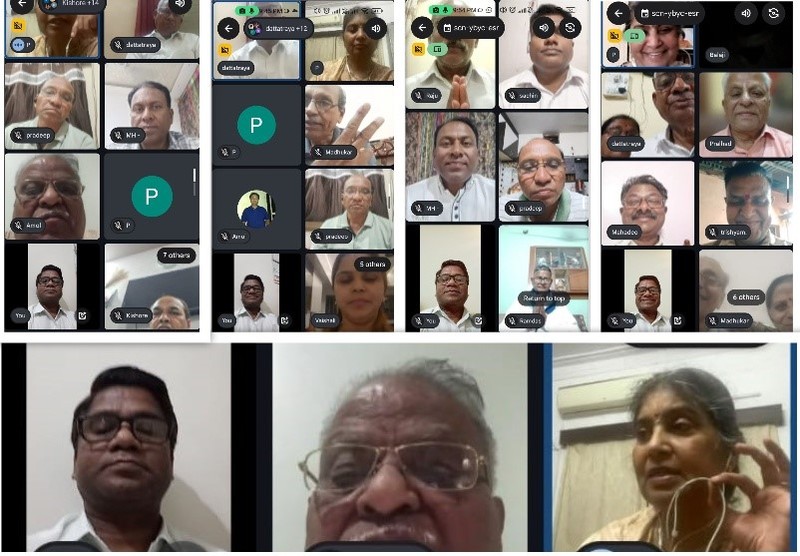
In line with SVIRT’s policy of ongoing training, a meeting for practitioners was conducted by the East Maharashtra Regional Coordinator 10332 on 22 Feb 2026, with 15 participants from Gadchiroli, Nashik, Yavatmal, Amravati, Akola, Chandrapur, Bhandara, and Solapur districts. The Education Director 10375 was invited to provide guidance on key aspects of seva, including reaching out to patients, building confidence, the role of prayer, and clarification on activities that constitute vibrionics seva.
In a follow-up session held on 5 Apr 2026 and attended by 19 practitioners, she emphasised the mandatory recharging of 108CC boxes every two years, with interim monthly self-recharging, and highlighted the importance of regular submission of monthly reports for tracking seva activity, facilitating patient referrals, and enabling support for recharges of 108CC boxes. She also explained the purpose and benefits of SVIRT membership and encouraged practitioners to read the bi-monthly newsletter, contribute case histories, and regularly take and distribute the Immunity Booster remedy. The need for Marathi-speaking teachers and translators was discussed, and an online demonstration was given on uploading reports independently and completing membership formalities.
These meetings will be held periodically.
3. Camps & clinics
3.1 Sri Sathya Sai Seva Samithi, Jaggayyapeta, NTR District, AP, 1 Mar 2026:
The Samithi has long been conducting monthly Eye Camps with doctors from Sankar Eye Hospital, Kakani (near Guntur), providing screening and free cataract surgeries for the needy. Inspired by this service, the Samithi Convener, in consultation with Practitioner 11542, initiated a vibrionics camp alongside the Eye Camp.
The inaugural session began with an explanation of the Eye Camp process by the doctors, followed by a brief introduction to Sai Vibrionics by Practitioner 11542. Supported by Practitioner 11683, they treated a total of 46 patients for various conditions, including joint pain, acidity, asthma, diabetes, hypertension, allergies, and skin disorders. The camp will henceforth be held on the first Sunday of every month alongside the Eye Camp.
3.2 Sri Sathya Sai Seva Samithi, Railway Colony, Vijayawada, NTR District, AP, 19 Mar 2026:
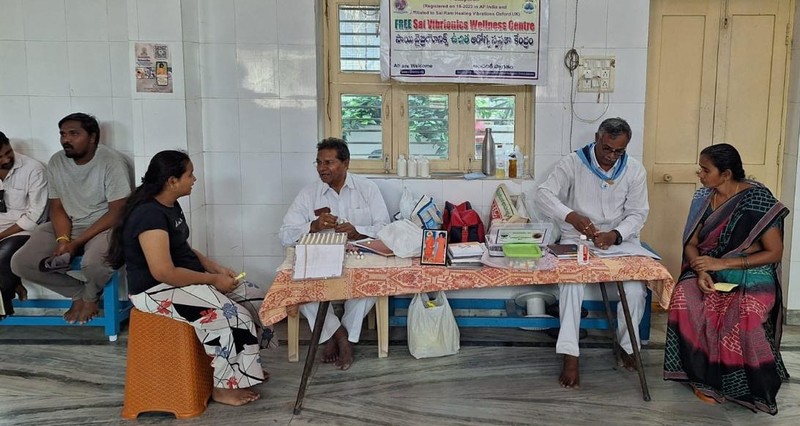
On the initiative of the Samithi convener, a new vibrionics camp was inaugurated by Practitioner 11542 with the support of Practitioner 11592 on the auspicious day of Ugadi, the Telugu New Year. They treated 17 patients for a range of conditions, including post-cancer recovery, Parkinson’s disease, vertigo, ear and skin issues, asthma, liver disorders, joint pain, and urinary infections. The camp will now be conducted regularly on the second Sunday of every month.
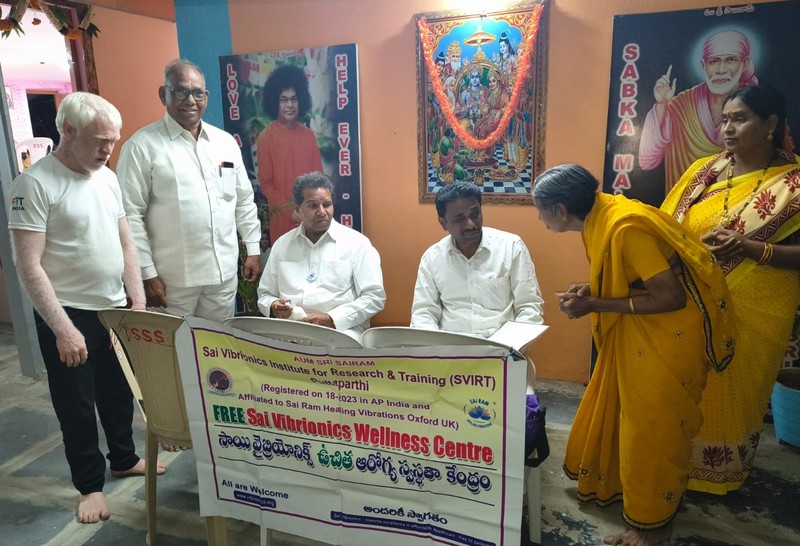
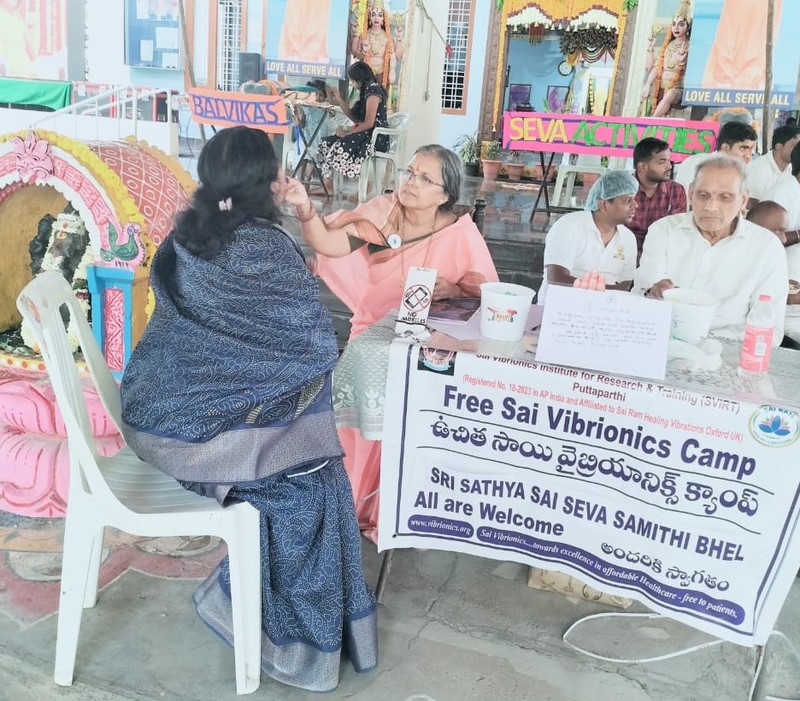
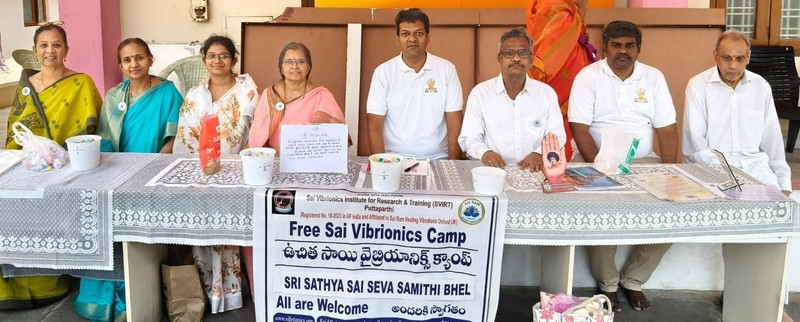
3.3 Sri Sathya Sai Samithi, BHEL, Hyderabad, Telangana State, 24 Apr 2026
At the request of the Samithi Convener, Practitioner 11632 organised a special camp, supported by Practitioners 11568,11587,11656,11658,11674&11676. From our Wellness kit, three combos - Breathe Well, Move Well, and Eat Well, along with Diabetes Tonic and Sunstroke Remedy (as per the addendum in Vol 15 #2), were prepared in bulk in advance for easy distribution.
A total of 80 patients received remedies; 50 were given the ready-made combos, while the remaining were treated with tailor-made remedies for specific ailments. The camp also served as an introduction to Sai Vibrionics for many attendees, several of whom expressed interest in attending the regular monthly camp at this venue.
4. Anecdote
From the Diary of Dr Jit K Aggarwal – When Seva Invites Grace!
Back in 1997, I was conducting a teaching workshop in the ashram. Among the participants were two ladies from Croatia, sharing a room in the North Block. They had originally come to Puttaparthi solely for Baba’s darshan. But once they discovered vibrionics, their curiosity was stirred. They filled up the application, attended the interview, and secured admission to the intensive seven‑day course.
By the third day, after long hours of class and diligently completing their homework during whatever spare time they had, they began to feel a little sad. They told me they were missing Baba’s darshan and wished they could take a day off. With seven other students and a tightly packed schedule, this simply wasn’t possible. Half‑jokingly, I told them, “Don’t worry, Swami can even come to your room to give darshan.” They laughed it off, clearly unconvinced.
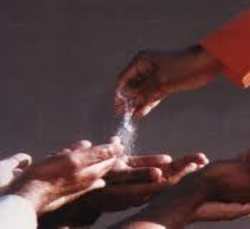
That evening, when they returned from class, they found vibhuti sprinkled all over their front door. Overjoyed, they came running to tell me that Swami had indeed come to their room. Then, almost immediately, they felt a pang of regret: the front door had been locked, so Swami did not go inside. The next day, after class, they opened their room to find vibhuti on an inside door. This time they were ecstatic, Swami had come inside. Their joy knew no bounds. On the third day, they eagerly searched every corner of their flat for more vibhuti. But this time, there was none. And that, in its own way, was the perfect ending: Swami had given them exactly what they needed, exactly when they needed it!
5. In Memoriam
We are saddened to announce the passing of Sri. Govind D Gajjam10440...India, VP from Solapur, Maharashtra, who left his mortal coil on 1 Dec 2024 at the age of 70 after a prolonged illness. 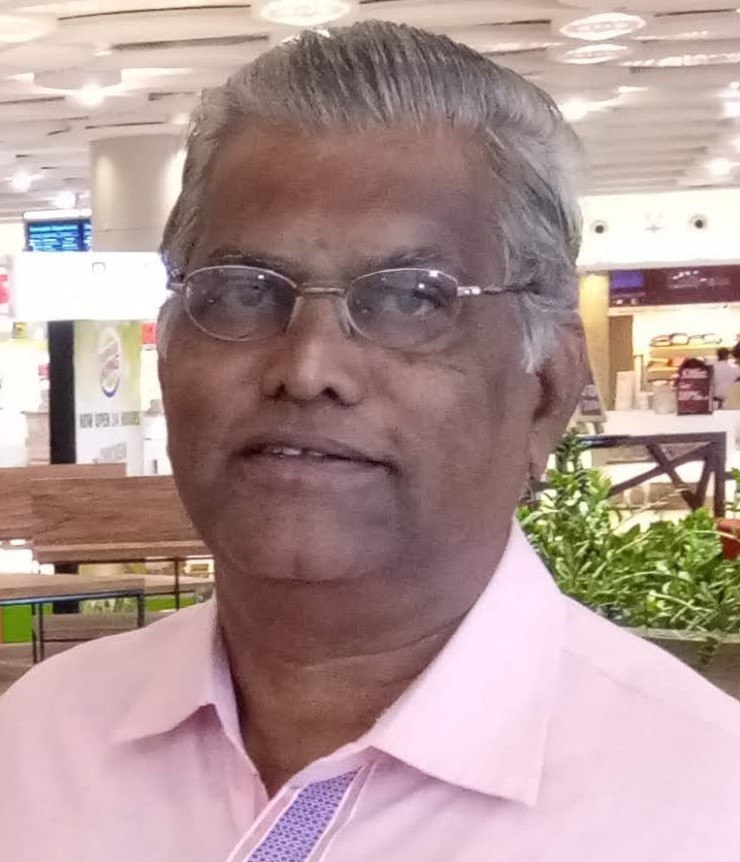 Fondly known as Gajjam Sir, he served as a devoted Government school teacher and retired as a respected Head Master. Chosen by Bhagawan to serve in the SSSSO, he offered over four decades of dedicated service in various capacities.
He became a vibrionics practitioner in 2009 and, for the next 13 years, conducted numerous camps in and around Solapur. A much‑sought‑after practitioner, he was for his kindness, compassion, and selfless seva. Always seen with a gentle smile, he was a father‑figure to many co‑practitioners who frequently sought his guidance in vibrionics. His family and the Sai fraternity deeply miss his loving and inspiring presence.