
In Addition
Vol 17 号 6
November / December 2026
1. Health article
Knowing and Protecting our Endocrine glands!
“Most illnesses can be cured by simple living, simple exercises, and by intelligent control of the tongue.” …Sathya Sai Baba1
Introduction: In the previous issue (vol 17 #5), we explored the exocrine glands, which release non‑hormonal fluids through ducts, and how to care for them. This article turns to ductless endocrine glands and their profound impact on both physical health and mental wellbeing.
1. Nature of Endocrine glands
These glands release more than 50 hormones, the body’s chemical messengers, directly into the bloodstream, which carries them to the relevant tissues and organs. Hormones work slowly and regulate the vital body functions including growth, energy 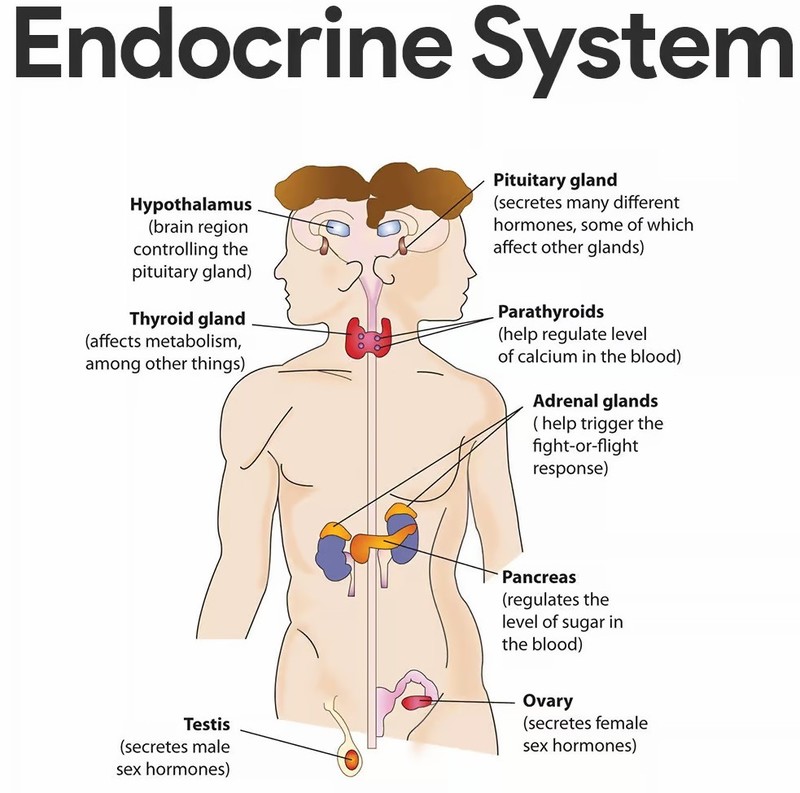 balance, stress response, mood, and reproduction. Major endocrine glands with a distinct role are the hypothalamus, pituitary, pineal, thyroid, parathyroid, adrenal, pancreas, and gonads (ovaries and testes). Other glands with a secondary role are thymus and liver.
Endocrine system regulates hormone levels. Imbalance occurs when a gland produces too much or too little of a hormone. Hormone imbalance naturally occurs during certain life stages, such as puberty, pregnancy, and menopause, when the body undergoes significant physical changes. Stress or certain medicines may also cause it temporarily. Endocrine gland damage, autoimmune disorders, tumours, or chemical exposure can cause long-term hormonal imbalance. Endocrine disorder can arise from within the hormone producing gland or from its controlling glands, pituitary and hypothalamus. Doctors measure hormone levels through blood, urine, or saliva tests, chosen according to the symptoms.3-9
2. Endocrine glands in the brain
2.1 Hypothalamus (the main commander): A small almond-sized structure in the brain that acts as the “master switchboard”, is the main link between the endocrine and the nervous system. Our body works at its best when its internal environment is just right; this gland maintains the body’s internal balance and stability through a self-regulating mechanism called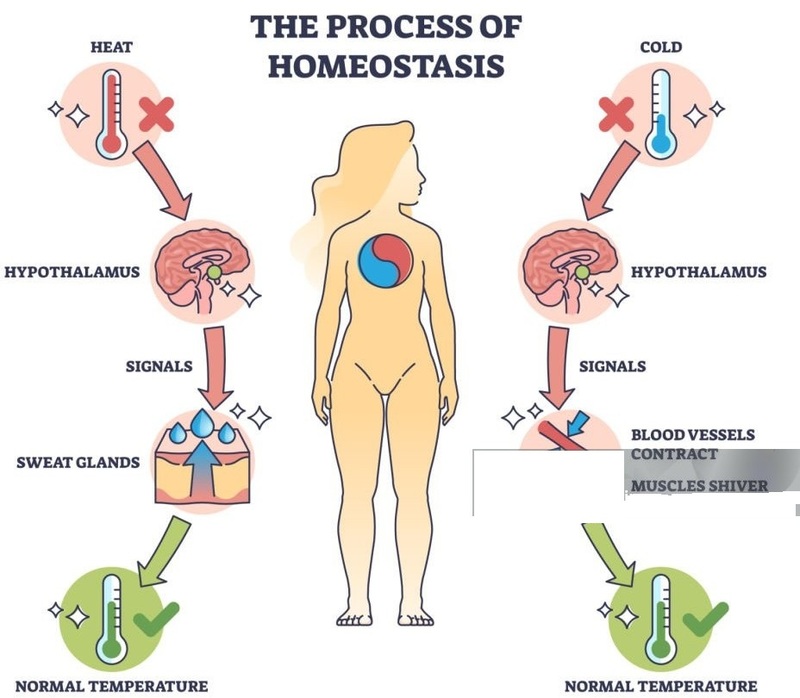 homeostasis. Through its hormones and nerve signals, hypothalamus controls the body temperature, sleep-wake cycles, appetite and hunger, thirst and water balance, and the autonomic nervous system, which in turn modulates the heart rate, blood pressure, digestion, and immediate emotional and behavioural responses. We cannot survive without homeostasis; most diseases involve a disruption of this process. The hypothalamus also controls many functions through pituitary - the master gland.4,10-13
Hypothalamic dysfunction can lead to temperature instability, sleep disorders, appetite changes, and disturbed thirst and water balance. Causes include traumatic brain injury, brain surgery, strokes, aneurysms (bulges in a 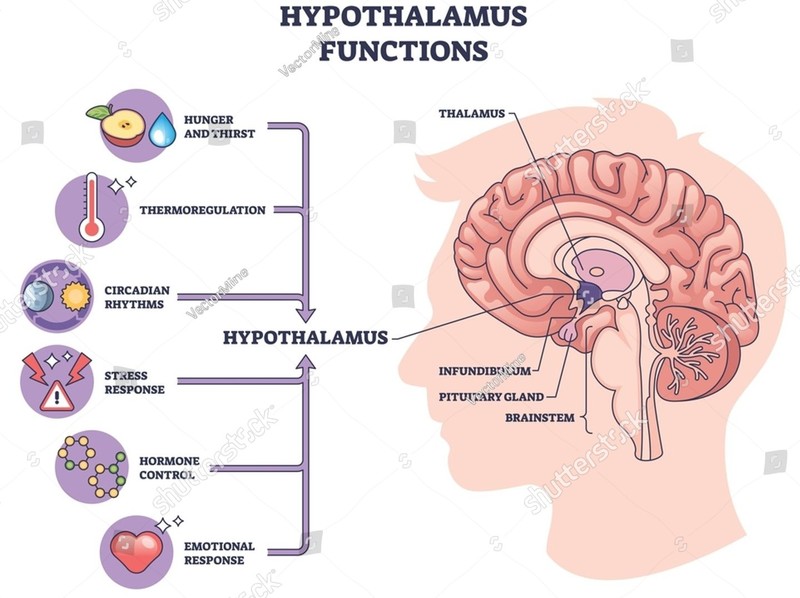 blood vessel wall), or brain tumours, medical treatments like radiation or chemotherapy directed at the brain, severe eating disorders like anorexia nervosa (severe food restriction due to fear of weight gain) or bulimia (cycles of binge eating and purging), extreme weight loss or malnutrition, genetic disorders, and infections and inflammation like multiple sclerosis, meningitis, encephalitis, or tuberculosis. Symptoms depend on the type of hormone involved and its level; it could be water retention leading to high BP when the antidiuretic hormone (ADH) levels are high; delayed puberty and infertility when gonadal hormones are deficient; poor bone health, muscle loss or weakness due to deficiency of growth hormone, loss of vision (when a tumour presses on the optic nerve), and so on.4,10-13
2.2 Pituitary gland (master gland), or hypophysis, is a tiny pea-sized but powerful gland at the base of the brain just below the hypothalamus. It monitors the body functions like a thermostat, takes direction from the hypothalamus, and controls other 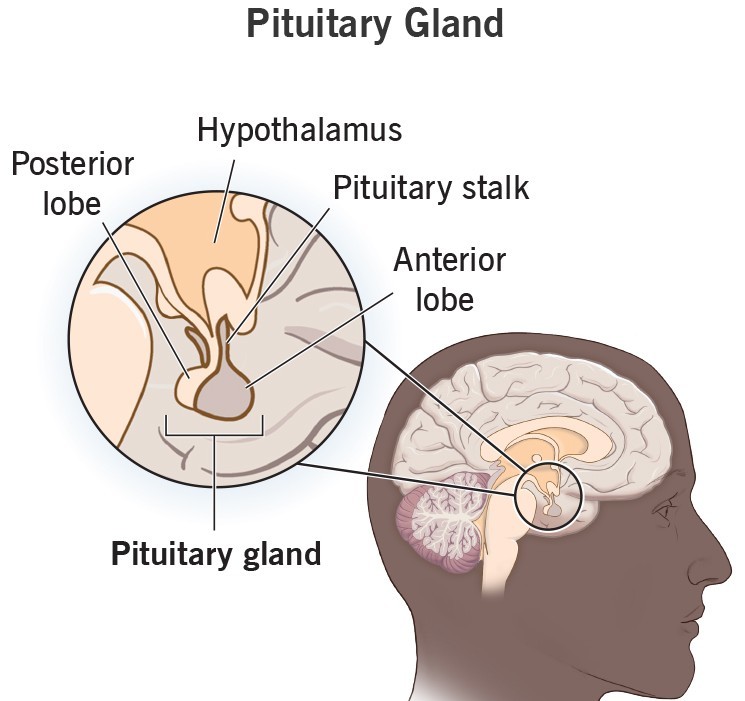 endocrine glands. The anterior pituitary (glandular tissue) makes several hormones essential for growth, metabolism, reproduction, lactation, and response to stress. Posterior pituitary (neural tissue) stores and releases two hormones made by the hypothalamus: oxytocin which acts in labour, child birth, and lactation, and ADH which regulates water balance.
The closely linked hypothalamus‑pituitary axis functions in unison to regulate the vital body functions . If one gets damaged, it can affect the hormonal function of the other. To diagnose a condition, your doctor may suggest blood and urine hormone tests and brain imaging.4,14-17
Pituitary disorders: Pituitary adenoma is usually a slow growing benign tumour which can progressively compress the optic nerve and cause loss of peripheral vision and headaches, and press on nearby structures. Some adenomas release hormones in excess causing hyperpituitarism; in rare cases, a large adenoma can bleed suddenly, which is a 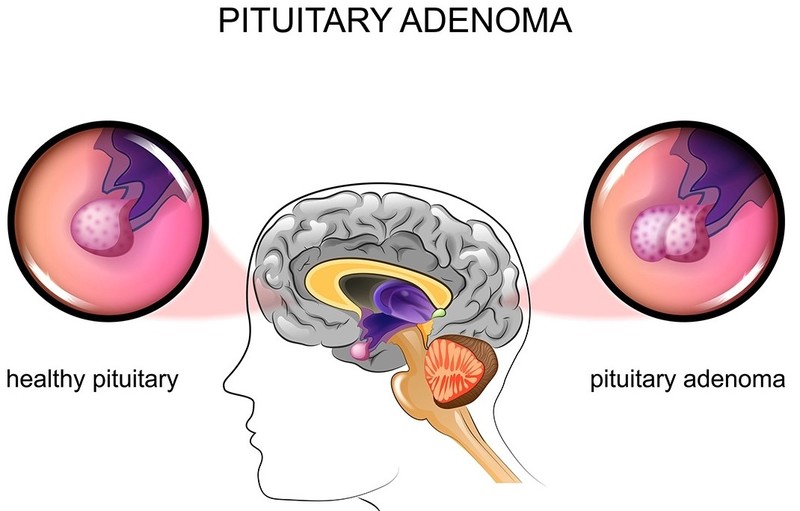 medical emergency. Hyperpituitarism may lead to: (i) acromegaly with enlarged hands, feet, and other organs and metabolic issues; (ii) gigantism is excess growth hormone in childhood causing rapid growth and very tall
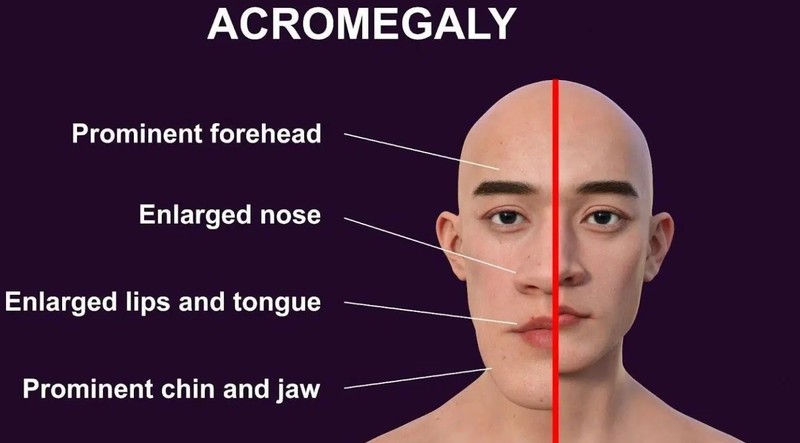 height; (iii) Cushing’s disease arises from excess cortisol caused by pituitary tumour with symptoms of rapid weight gain mainly in the face and trunk and high blood sugar that may lead to type-2 diabetes; and (iv) hyperprolactinemia causing infertility and milky nipple discharge.
Hormonal deficiency (hypopituitarism) can follow a head injury, tumour, infection, 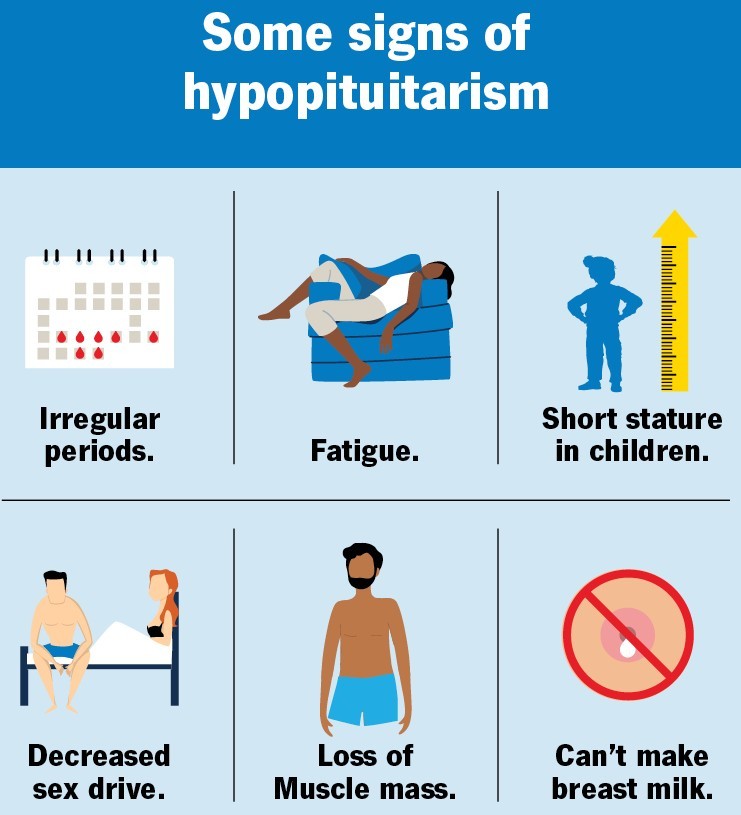 hereditary conditions, pituitary surgery, or brain radiation, any of which can damage pituitary or the hypothalamus. This may cause - growth hormone deficiency with delayed growth or puberty in children and metabolic problems in adults; central hypogonadism affecting sexual maturity and fertility; central diabetes insipidus marked by excessive urine production; and central hypothyroidism or adrenal insufficiency.4,14-17
2.3 Pineal gland (epiphysis cerebri) is a small pinecone shaped gland located deep in the middle of the brain, it secretes the “sleep” hormone melatonin to regulate our circadian cycle of sleep and wakefulness. The circadian rhythm is a natural cycle that responds mainly to light and dark; pineal releases little melatonin during the day which peaks at night to promote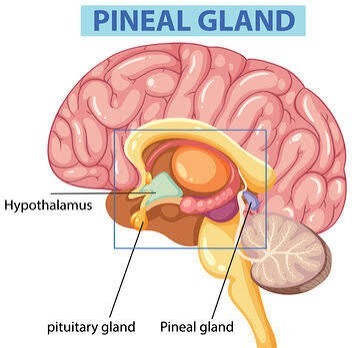 sleep. Melatonin may also influence the menstrual cycle and protect nerve cells in conditions like Alzheimer’s and Parkinson’s diseases.
The gland can get affected by traumatic head injuries and tumours with symptoms of memory and vision issues, seizures, nausea, and headache. The gland normally calcifies with age, more often in individuals with Alzheimer’s  disease. Research is underway on this gland’s role in bone metabolism, immunity, and mental health. In some spiritual traditions, it is known as the third eye believed to be associated with spiritual awareness and higher perception.4,18-20
3. Endocrine glands in lower neck region
3.1 Thyroid controls the body’s metabolism through its T3 and T4 hormones. For its vital functions, health indicators, and thyroid disorders, see our health article “Work towards a healthy thyroid” in vol 10 #6.4,21
3.2 Parathyroid glands, located behind the thyroid, produce parathyroid hormone (PTH) to raise blood calcium (Ca) levels by releasing calcium from bones, facilitating increased absorption in the 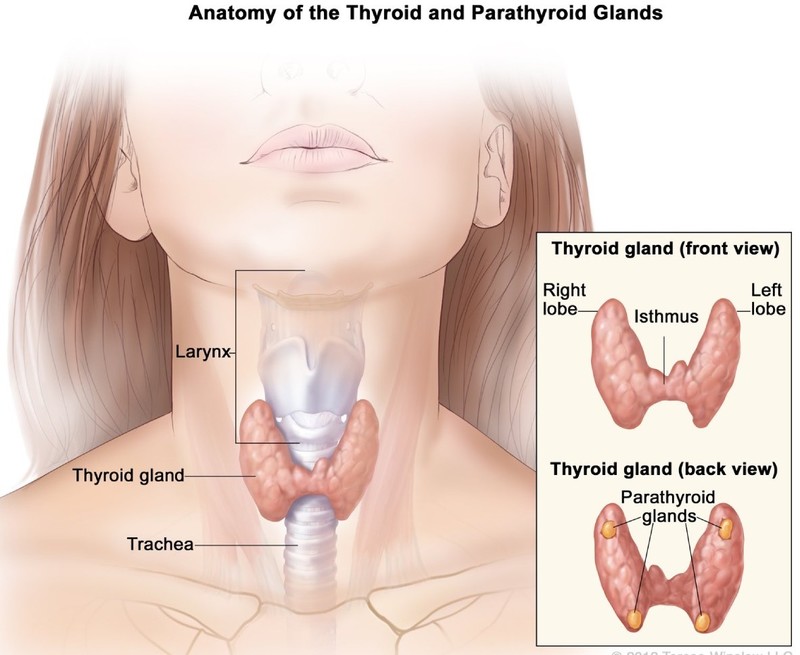 intestines (through vitamin D), and saving calcium in the kidneys. Low PTH levels (hypoparathyroidism) are most often caused by damage to or removal of the glands during neck surgery, and less often by autoimmune or genetic conditions. They lead to low blood calcium (hypocalcemia) causing brain fog or confusion, dry skin and brittle nails, muscle cramps, and tingling in lips, fingers, or feet. High PTH levels (hyperparathyroidism) are usually caused by parathyroid adenoma, mostly benign, and lead to high blood calcium (hypercalcemia) causing fatigue, headaches, joint and bone pain, excessive thirst, frequent urination, kidney stones, nausea, and trouble concentrating.4,22,23
4. Endocrine Stress Managers
4.1 Adrenal (Suprarenal) Gland - a pair of triangular shaped glands atop each kidney - produce essential hormones like cortisol, adrenaline, and aldosterone to regulate metabolism, 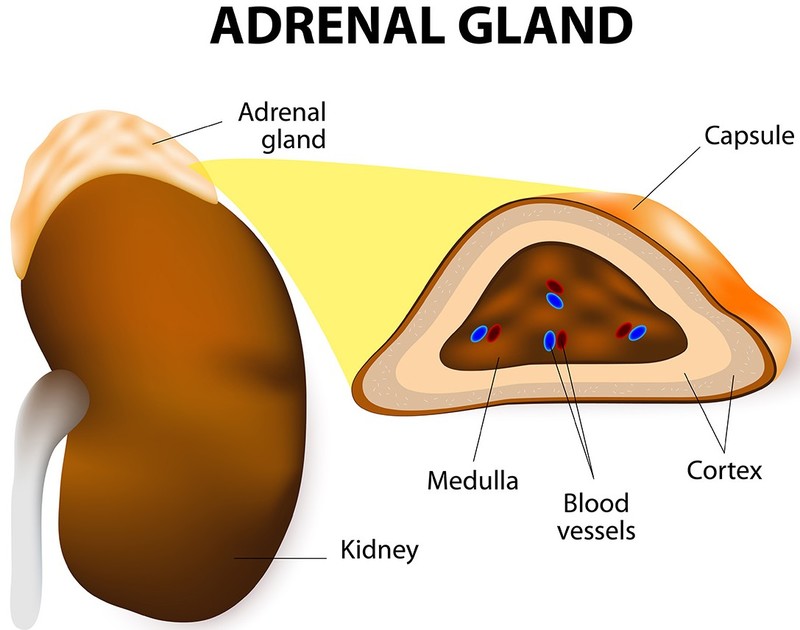 immune system, blood pressure, response to stress, development of sexual characteristics, salt and water balance, ability to withstand injury and illness, and sleep-wake cycle. Cortisol release is controlled by both hypothalamus and pituitary.
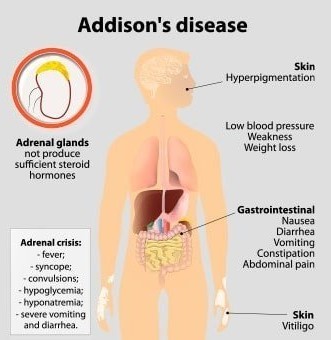 Disorders can arise from tumours, injury, infection, or blood loss, gland damage, genetic factors, autoimmune attack, and certain corticosteroid medications like prednisone, dexamethasone or hydrocortisone, especially with long-term use. Signs to heed are unexplained fatigue and weight loss or gain, frequent low or high blood pressure or blood sugar, frequent sickness or infections. Adrenal insufficiency (too little cortisol) is most often caused by Addison’s disease, a rare autoimmune disorder. Excess hormones can cause (i) Cushing syndrome (high cortisol) with symptoms of round full “moon” face and a fatty hump between the
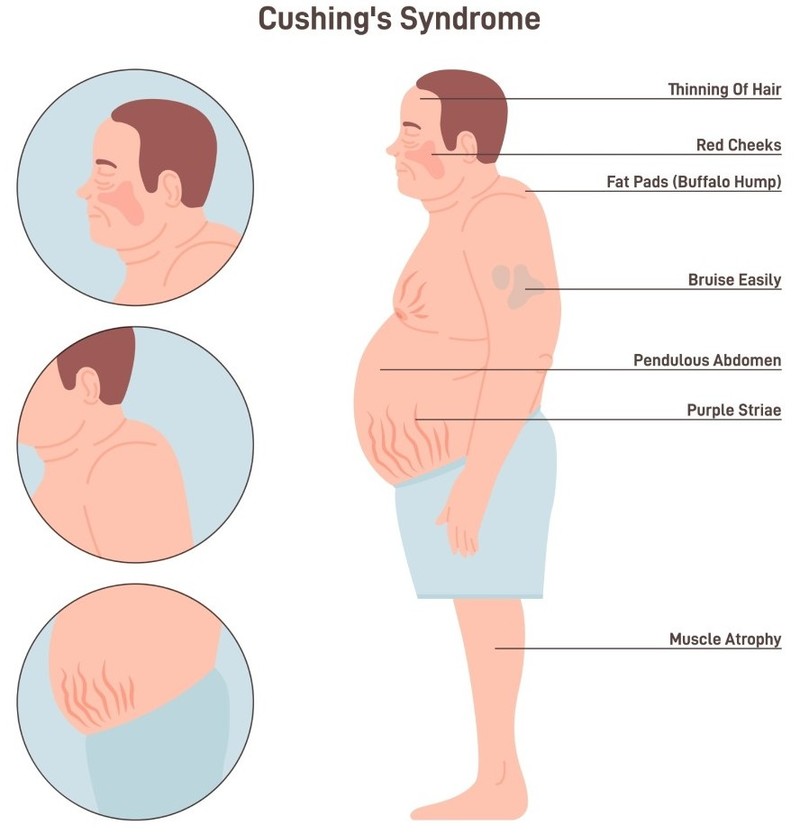 shoulders, purple or pink stretchmarks on abdomen, breasts, and hips, with fragile skin prone to bruises, weight gain in the upper body and trunk with thin arms and legs and general muscle weakness, fatigue, and metabolic issues like high BP and blood sugar; (ii) Conn’s syndrome -- high aldosterone makes the
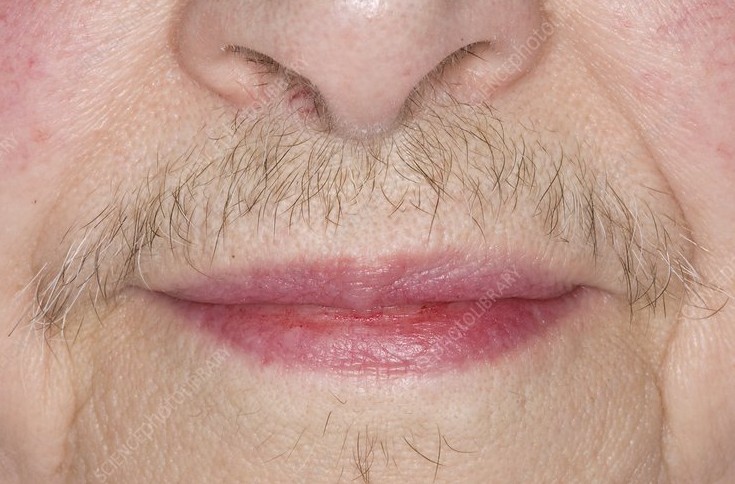 body hold on to sodium and lose potassium, leading to high BP. Adrenal androgen produced in excess can
 trigger male characteristics like facial and body hair, deeper voice, and hair loss in females (hirsutism).4,24-30
4.2 Pancreas (endocrine functions): The fish-shaped organ behind the stomach produces insulin (lowers blood sugar) and glucagon (increases blood sugar) to maintain 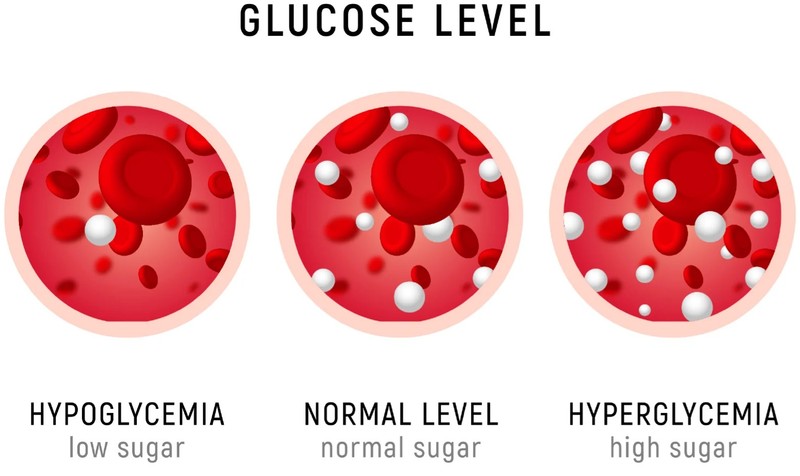 healthy blood sugar levels and thereby enable heart, liver, brain, and the kidneys to work well. In diabetes mellitus, blood glucose stays high (hyperglycaemia) and cannot reach the body’s cells properly, either because the body makes too little insulin (insulin deficiency, as in type-1 diabetes, an autoimmune condition) or because the body cannot use insulin effectively (insulin resistance, when cells ignore the insulin signal, as in type-2 diabetes). With insulin resistance, the main cause of prediabetes, pancreas struggles to keep up with the increased demand for insulin; when the resistance is too strong for the pancreas to overcome, type-2 diabetes results.
Too much insulin, usually from diabetes treatment, can lower blood sugar too far (hypoglycaemia) which needs immediate treatment with fast-acting sugar if the person is awake and able to swallow, and emergency care, if not. A total lack of insulin for a prolonged time can lead to life-threatening diabetic ketoacidosis (DKA).4,31-35
5. Reproductive drivers
5.1 Ovaries in females produce oestrogen and progesterone which regulate the menstrual cycle and pregnancy. Imbalance in these hormones can mean irregular menstrual cycles and problems with ovulation. For disorders, see the health article on 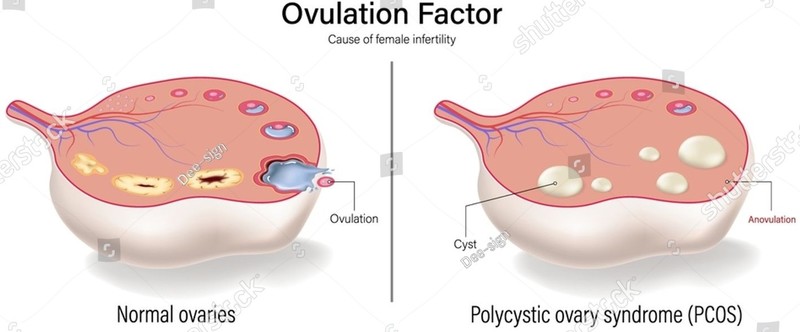 Female reproductive system (vol 17 #2, Mar-Apr 2026).4,36,37
5.2 Testes produce the hormone testosterone (an androgen) to support libido, bone density, muscle mass, sperm production, and body hair development in males. For details and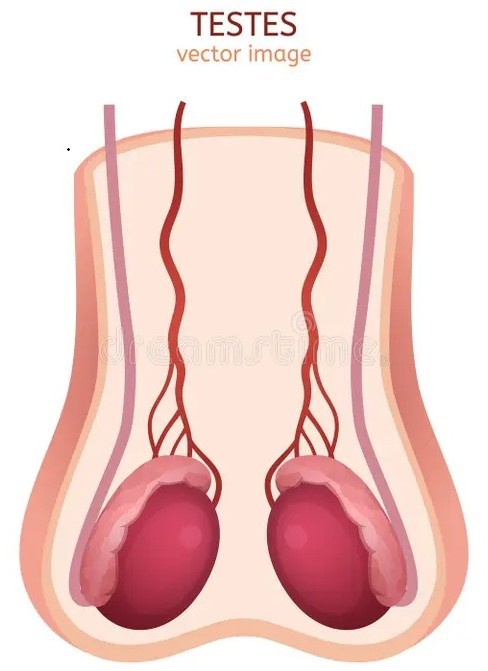
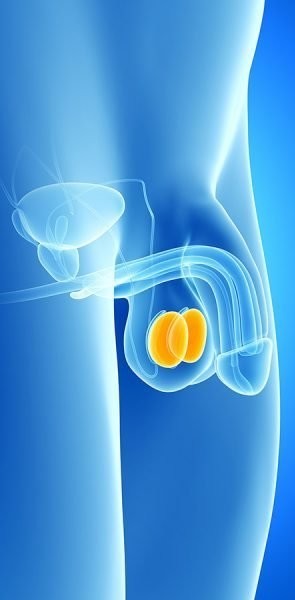 disorders, see our health article ‘Male reproductive system’ in vol 17 #3.4,37,38
6. Secondary organs in endocrine function
6.1 Thymus is a small gland situated in the upper chest, between the lungs. T-cells, a type of white blood cells, mature in this gland and help the body fight infections and diseases. It is 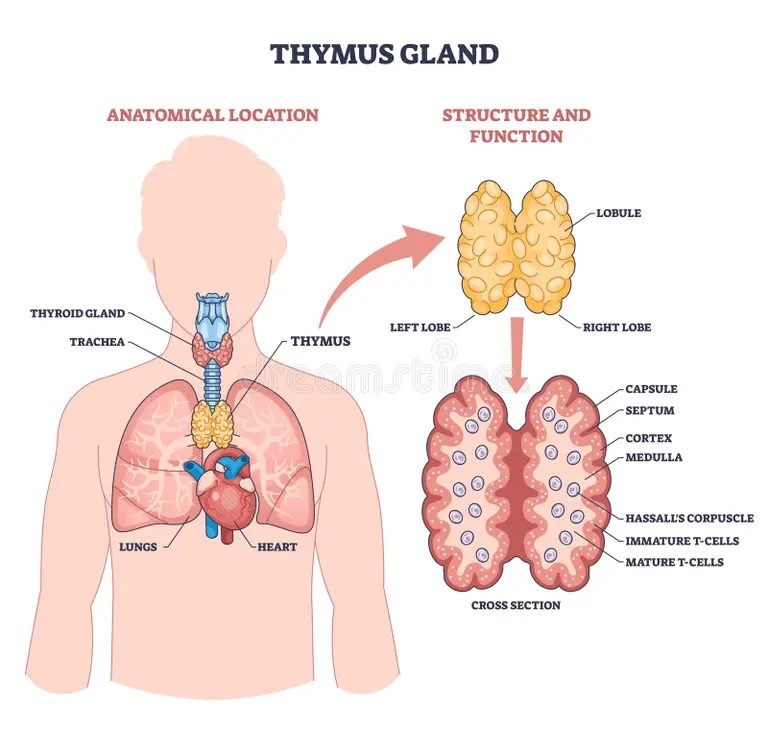 also considered part of the endocrine system as it makes hormones to support the immune function. Thymus problems usually involve immune dysfunction; for example, the autoimmune disease myasthenia gravis is associated with thymus enlargement or tumours.39
6.2 Liver: While the liver is primarily known for digestion and detoxification, it is also a dynamic endocrine organ that synthesizes some crucial hormones and metabolizes circulating hormones to maintain whole-body homeostasis.40,41
7. Tips for Endocrine Health
- Pay attention to changes: Do not ignore unusual symptoms such as unexplained fatigue, weight changes, or mood shifts. Early medical evaluation helps prevent complications.
- Limit chemical exposure: Reduce contact with endocrine disruptors -- avoid plastics with BPA or phthalates (especially when heating food), choose chemical‑free personal care products, ventilate while cleaning, and prefer cookware like cast iron, stainless steel, or ceramic instead of PFAS‑based non‑stick.
- Protect your circadian rhythm: Get morning sunlight to set your body clock, and reduce screen time at night. Blue light suppresses melatonin and can disturb sleep.
- Maintain healthy diet and weight: Avoid habitual overeating and frequent snacking. Balanced nutrition and weight control lower the risk of insulin resistance and diabetes.
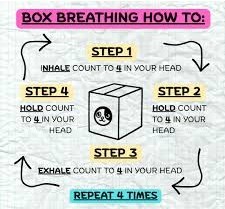
- Manage stress effectively: Practice short relaxation techniques such as box‑breathing or meditation to calm the stress response.
- Stay active: Regular exercise supports hormone balance, bone strength, and metabolic health.
- Hydrate and rest well: Adequate water intake and consistent sleep patterns are essential for optimal endocrine function.4,21,42-48
Final Word: Remember that our body systems are deeply interdependent; nurture with a conscious, mindful, healthy lifestyle.
Reference and Links
- Sathya Sai Speaks, Good Health and Goodness, vol 15, 1981-82, Chapter 21, Divine Discourse, Prasanthi Nilayam, 30 Sept 1981: https://saispeaks.sathyasai.org/discourse/good-health-and-goodness
- Health article on Exocrine glands, Newsletter vol 17 #5, Sept-Oct 2026: https://newsletters.vibrionics.org/english/News%202026-09%20Sep-Oct%20RG.pdf
- Hormones guide: https://medlineplus.gov/hormones.html
- https://my.clevelandclinic.org/health/body/21201-endocrine-system
- https://nigms.nih.gov/biobeat/2024/07/what-is-a-hormone
- https://my.clevelandclinic.org/health/articles/22464-hormones
- https://www.healthdirect.gov.au/endocrine-glands-and-their-hormones
- https://kidshealth.org/en/parents/endocrine.html
- Nature of Endocrine disorder: https://www.tgh.org/institutes-and-services/conditions/endocrine-disorder
- Hypothalamus: https://www.webmd.com/brain/what-to-know-about-hypothalamus
- https://my.clevelandclinic.org/health/articles/homeostasis
- https://www.flintrehab.com/hypothalamus-brain-injury/
- https://my.clevelandclinic.org/health/body/22566-hypothalamus
- Pituitary gland: https://my.clevelandclinic.org/health/body/21459-pituitary-gland
- https://courses.lumenlearning.com/suny-ap2/chapter/the-pituitary-gland-and-hypothalamus/
- https://www.sriramakrishnahospital.com/blog/diabetology-endocrinology/what-is-the-role-of-pituitary-gland-and-the-impact-of-pituitary-deficiencies/
- https://pituitary.org/about-pituitary/
- Pineal gland: https://my.clevelandclinic.org/health/body/23334-pineal-gland
- https://www.medicalnewstoday.com/articles/319882
- Pineal effects: https://pmc.ncbi.nlm.nih.gov/articles/PMC6709953/
- Health article on Thyroid, Newsletter vol 10 #6, Nov-Dec 2019: https://newsletters.vibrionics.org/english/News%202019-11%20Nov-Dec%20HS.pdf
- Parathyroid glands: https://my.clevelandclinic.org/health/articles/22355-parathyroid-hormone
- https://www.templehealth.org/services/conditions/parathyroid-disorders
- Adrenal gland: https://my.clevelandclinic.org/health/body/23005-adrenal-gland
- https://www.hopkinsmedicine.org/health/conditions-and-diseases/adrenal-glands
- https://my.clevelandclinic.org/health/diseases/5497-cushing-syndrome
- https://www.mayoclinic.org/diseases-conditions/cushing-syndrome/symptoms-causes/syc-20351310
- https://my.clevelandclinic.org/health/diseases/21061-conns-syndrome
- https://www.urologyhealth.org/urology-a-z/c/conns-syndrome
- https://my.clevelandclinic.org/health/diseases/14523-hirsutism
- Pancreas: https://my.clevelandclinic.org/health/body/21743-pancreas
- https://my.clevelandclinic.org/health/diseases/22206-insulin-resistance
- https://my.clevelandclinic.org/health/articles/22283-glucagon
- https://my.clevelandclinic.org/health/body/22601-insulin
- Lifestyle diseases: Newsletter, vol 13 #3, May-June 2022: https://news.vibrionics.org/en/articles/374
- Female reproductive system, Newsletter vol 17 #2, Mar-Apr 2026: https://newsletters.vibrionics.org/english/News%202026-03%20Mar-Apr%20RG.pdf
- Hormonal imbalances: https://my.clevelandclinic.org/health/diseases/22673-hormonal-imbalance
- Male Reproductive system, Newsletter vol 17 #3, May-June 2026: https://newsletters.vibrionics.org/english/News%202026-05%20May-Jun%20RG.pdf
- Thymus: https://my.clevelandclinic.org/health/body/23016-thymus
- Liver: https://pmc.ncbi.nlm.nih.gov/articles/PMC8637678/
- Emerging endocrine role of liver: https://www.frontiersin.org/research-topics/20787/the-liver-as-an-endocrine-organ-hepatokines-and-ketone-bodies-novel-hormones-to-be-acknowledged/magazine
- Tips: No to Forever chemicals: https://www.endocrine.org/topics/edc/what-edcs-are/common-edcs/pfas
- https://www.drmeganding.com/post/how-your-cookware-impacts-hormone-balance-the-science-behind-non-toxic-living
- Stress free endocrine health: https://www.health.harvard.edu/healthy-aging-and-longevity/understanding-the-stress-response
- Take it easy: https://www.health.harvard.edu/mindscape/for-young-people/brain-body-connection/fight-flight-or-freeze
- Breathe well: https://www.artofliving.org/us-en/blog/breathwork/breathing-exercises/breathing-and-hormones
- Box breathing technique: https://www.medicalnewstoday.com/articles/321805#breathing-and-health
- https://www.healthline.com/health/box-breathing#getting-started
_________________________________________________________________________________
2. Workshops & Seminars
2.1 USA & Canada Practitioners’ Meet, 20 Sept 2026
Highly motivated practitioners in the USA and Canada have been holding monthly Zoom meetings under the guidance of the US & Canada Coordinator01339…USA, who has been tracking these meetings since August 2014. These sessions encourage an in-depth understanding of vibrionics, and many questions featured in Answer Corner have originated from the discussions.
A highlight of the latest meeting was a comprehensive PowerPoint presentation by a recently trained AVP03625…USA on kidney function, health tests, related disorders and diseases, diet and lifestyle, vibrionics remedies, and two case histories from the newsletter. The presentation was followed by an engaging discussion and was greatly appreciated by the participants.
_________________________________________________________________________________
2.2 UK Sai Vibrionics Annual National Meet, 20 Sept 2026
The UK practitioners’ meeting brought together 24 attendees in person, and many more online from the international fraternity including 12 from the UK, in a spirit of love, gratitude, and shared dedication to Sai Vibrionics. The UK Coordinator 02822 offered his heartfelt gratitude to Sri Sathya Sai Baba, the founders, and the many practitioners and volunteers whose selfless efforts sustain this healing mission worldwide. The central theme of the meeting was that Sai Vibrionics is not merely a healing practice but a form of sadhana. Dr Aggarwal reminded everyone that practitioners are instruments of Swami’s grace, and that humility, purity, sincere prayer, and unconditional love are essential to their service. He also recalled the pioneering efforts involved in developing the potentiser SRHVP and simulator card system since 1994, reminding practitioners of the wealth of possibilities already available through the existing cards and combinations.
The discussions highlighted the importance of connecting with Swami through prayer before preparing remedies and approaching every patient with compassion, faith, and an open heart. Practitioners were reminded not to feel discouraged when a patient 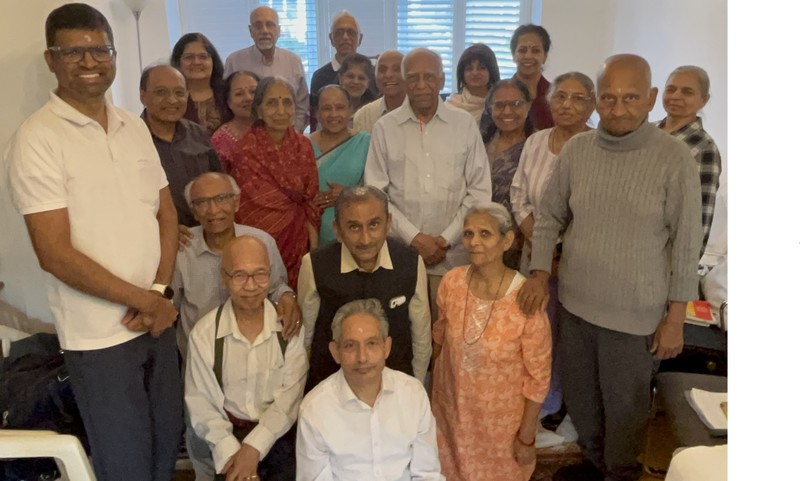 did not respond as hoped, but to continue serving with sincerity, recognising that healing is not within their control. The emphasis remained firmly on patient care and selfless seva rather than becoming overly absorbed in research. Organizational updates included the search for volunteers to take on future leadership and regional coordination roles, the introduction of official practitioner identification badges for camps and community service, and the labelling of institutional equipment (SRHVPs and 108CC boxes). Practitioners were also reminded to keep their contact details up to date directly on the practitioner site to strengthen communication and cooperation within the growing vibrionics family.
An engaging presentation by SVP 02802 introduced a five-minute energy-balancing routine incorporating tapping, breathing exercises, cross-crawl movements, meridian balancing, and other simple techniques to support mental clarity and general wellbeing, particularly in the context of dementia support. Several practitioners also shared their personal journeys into vibrionics, recalling experiences of healing, the inspiration that led them to take up this service, and the joy of helping family members, friends, and others in need. Joining remotely from the USA, Dr Pabani, a pain management specialist and a long-time supporter of vibrionics expressed deep appreciation for Dr and Mrs Aggarwal’s contributions in bringing vibrionics to a wider audience. He shared case experiences involving almost instant relief in severe pain with vibrionics remedy. He believes there is a growing interest in holistic approaches among healthcare professionals internationally. He generously offered free consultations and pain assessments to our practitioners whenever needed.
The meeting concluded on a note of gratitude and fellowship, with the distribution of blessed photographs, vibhuti, and practitioner supplies. Plans were discussed for continued training, remedy-box recharging, and documenting practitioners’ experiences for future publication, ensuring that the valuable lessons and inspiring stories from years of service are preserved for posterity. Beyond the practical discussions and updates, the gathering renewed the participants’ sense of belonging to a common spiritual mission. United by their love for Swami and their commitment to selfless service, the practitioners left with renewed inspiration to carry His message of love and compassion to every patient they serve.
_________________________________________________________________________________
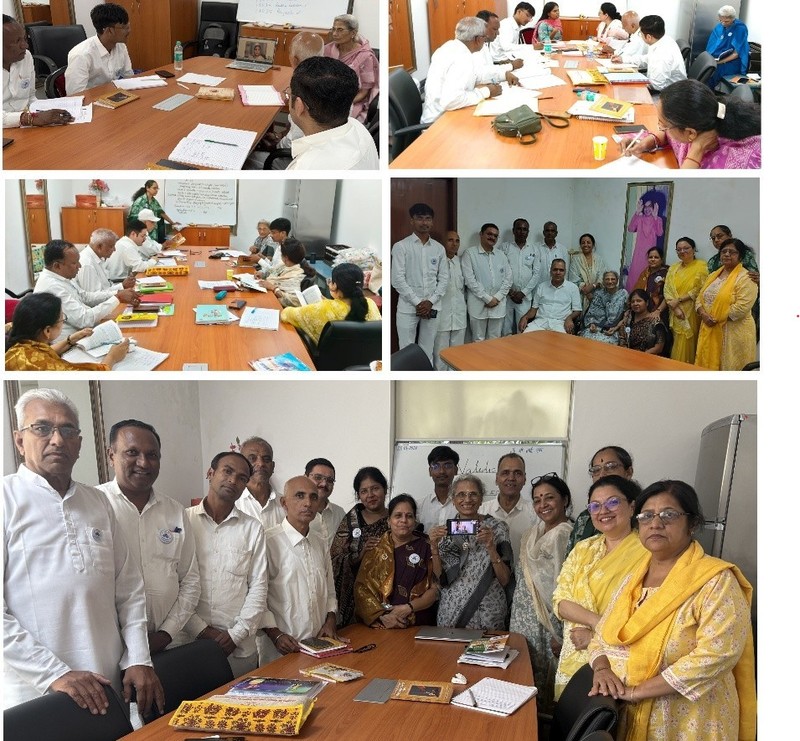
2.3 AP Hindi Workshop, Sri Sathya Sai International Centre, New Delhi, 22-26 Sept 2026
SVIRT’s maiden AP Hindi workshop in Delhi proved to be a particularly successful and enriching learning experience, with all ten participants qualifying as practitioners*, three from Madhya Pradesh, two from Uttarakhand, one from Himachal Pradesh, and four from Delhi. A key factor in this achievement was the systematic preparation undertaken beforehand: during August and September, the students completed four weeks of self-study, answering test papers for every chapter of the Manual. This strong foundation enabled the five-day intensive workshop to focus on interactive learning through quizzes, case-based exercises to identify appropriate combos, and hands-on clinical experience, including preparing remedies for patients. Following a written examination and case presentations, the practitioners were thrilled to receive their divine 108CC boxes on Day 4, after taking the practitioner’s oath and participating in a charging session accompanied by the reverberating chant of Om Sri Sai Ram.
The workshop was led by senior VT11422, who guided the participants through the course content, with the active support of Governor 11573, who organised the entire programme, explained administrative procedures, and guided participants on monthly reporting. His team of practitioners** also contributed to the smooth conduct of the sessions. Further enriching the training were two interactive virtual sessions: the Training Head and senior VT10375 explained the procedures for conducting camps and the importance of mentoring, while e-course Teacher 11568 highlighted the significance of maintaining accurate patient records for effective treatment and documenting authentic case histories. This combination of advance preparation, classroom teaching, practical patient experience, and specialised guidance gave the participants a well-rounded understanding of their responsibilities as practitioners.
The highlight of the workshop was the illuminating valedictory address by the founders, Dr Jitendra Aggarwal and Hem Aggarwal. They emphasised that Sai Vibrionics is a unique service, blessed and guided by Swami, through which practitioners can bring comfort and relief to those suffering, provided they serve with professional commitment, selfless love, patience, and compassion. They stressed that a patient should ideally feel 50% better simply through the loving and reassuring interaction during the first visit. To serve effectively, practitioners must care for their own health, remain closely connected through study and support groups, and maintain a deep connection with Swami - the true Healer, remembering His dictum ABC - Always Be Cheerful. They also encouraged practitioners to devote quality time each day to updating and expanding their knowledge, while remaining humble and grateful for the quick, sometimes remarkable improvements that may occur through Swami’s grace. Their responses to questions on helping people struggling with addiction, approaching reluctant family members without imposing treatment, and using vibrionics for plants, pets, and environmental cleansing, further broadened the participants’ understanding of vibrionics.
Everyone expressed heartfelt appreciation for the exceptional dedication and meticulous planning by Governor 11573 who took responsibility for admissions, maintained close contact with applicants throughout the process, coordinated the interviews conducted by Training Head 10375, scheduled and followed up at every stage, circulated lessons and question papers well in advance, and oversaw their translation into Hindi. His commitment, together with the wholehearted cooperation of the trainers and practitioner team, helped create a supportive and well-organised learning environment. The workshop concluded on a devotional note, with all participants joining in Sai bhajans and aarti to Swami.
This workshop stands out as a model for future training programs, demonstrating how thorough advance preparation, interactive teaching, practical clinical exposure, dedicated coordination, and spiritual guidance can combine to produce confident, well-prepared practitioners ready to serve with love and commitment.
*Regn no:18026 to 18035.
**Regn no: 11136, 11386, 11437, 11452, 11650, 11686.
_________________________________________________________________________________
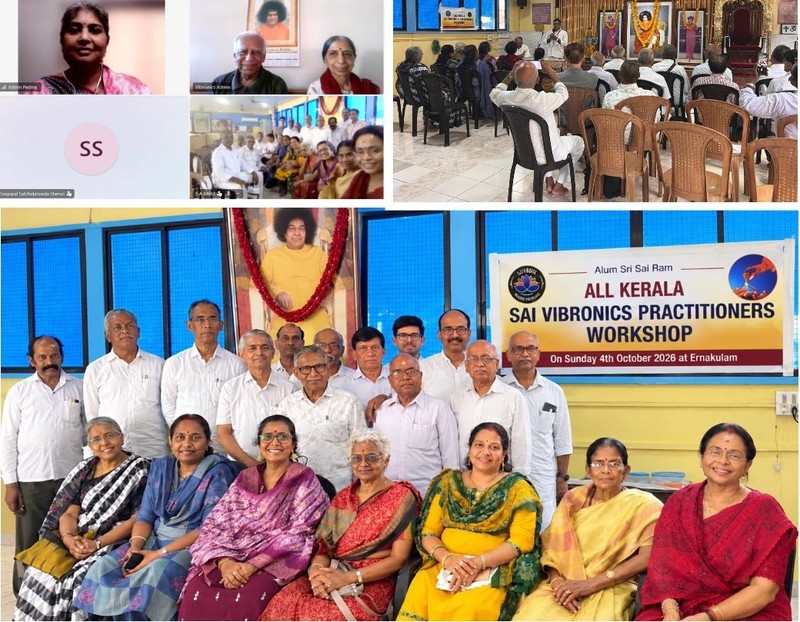
2.4 Kerala Sai Vibrionics Practitioners’ Meeting, Ernakulam 4 Oct 2026
Twenty practitioners from across Kerala gathered for the state meeting, which commenced with lighting of the lamp by the District President, SSSSO, who emphasised in his inaugural address that spreading Sai Vibrionics is a sacred form of worship and urged practitioners to combine daily spiritual sadhana with love and compassion in their healing service.
SVP 11235 traced the growth of vibrionics in Kerala since 2010 under the loving guidance of SVP 02090. From an initial batch of 52 practitioners, the number grew to 102 by 2012, with rural seva flourishing, particularly in Kasaragod under VP 11176. Noting the decline in active practitioners after the pandemic, he made a heartfelt appeal to revive practice and organise local camps. Other sessions covered timely monthly reporting, regular study of newsletters, expanding seva across Kerala, and opportunities to serve at Prasanthi Nilayam. The participants enthusiastically signed up for Parthi seva. Training Head 10375 addressed queries, while practitioners demonstrated proper patient-record maintenance and the preparation of authentic case histories for publication.
In his inspiring online address, Dr Aggarwal commended Kerala practitioners for their dedication and leadership, particularly under SVP 02090, and their annual visits to Puttaparthi to prepare 108CC boxes. He reminded everyone of their pledge to dedicate at least one hour daily to vibrionics seva, which all present reaffirmed. Mrs Hem Aggarwal encouraged continuous learning through refresher workshops and regular gatherings to strengthen unity and commitment. To strengthen regional leadership, SVP 11231 and SVP 12011 were proposed to take up Regional Coordinator responsibilities.
The meeting concluded with Aarti to Bhagawan, leaving the practitioners renewed in their resolve to serve with devotion, love, and dedication, reaffirming their collective commitment to expanding vibrionics as selfless service at Swami’s lotus feet.
_________________________________________________________________________________
3. Anecdotes
3.1 From the Diary of Dr Jit Aggarwal -- Swami’s Grace: Long-overdue Workshop in Croatia Saved by His Love!
Whenever I reflect on the countless blessings Swami has showered upon the international Sai Vibrionics fraternity, my heart fills with gratitude. One such unforgettable experience occurred during a workshop in Croatia in Sept 2019. My wife, Hem, and I were in the UK, planning to travel to Croatia for the workshop. It was the end of August, and we were engrossed in preparing the Sept–Oct newsletter, always an exceptionally busy time. On 27 Aug, I developed a strange pain in my head, unlike any headache I had experienced before. Hem and our daughter, Shivani, a cardiologist, who was visiting us before joining her new job in Houston, felt that I had overworked and needed rest. However, the pain persisted.
On 30 Aug evening, Shivani noticed tiny blisters on the left side of my scalp and above my left eye. Suspecting herpes, she sent a photograph to her brother, also a cardiologist, who agreed. I was devastated at the thought of cancelling the trip on the last minute. More than 20 participants had enrolled, made all the arrangements, and booked leave from work for the workshop. Feeling helpless, I could only pray to Swami. Miraculously, by the following morning, the pain had disappeared, and the blisters had vanished without a trace. We reached Croatia on the same day as planned, and the programme began that evening with a teaching satsang.
The next morning, halfway through the session, I suddenly developed a fever, burning pain, and a rash above my left eye. I was admitted to hospital, where the doctors diagnosed herpes involving the eye, a potentially serious condition. Hem, not aware of the contents to be covered, received a quick brief from me and immediately took charge of the workshop, ably assisted by experienced practitioners, while rescheduling her clinics to the evenings. Although the hospital staff cared for me very well, I felt deeply distressed that my illness had disrupted the workshop. Then, two days later, Swami appeared to me in a dream, surrounded by an effulgent light. The experience was so vivid that I felt as though I were living His personal darshan. Swami then returned the following night, giving me another unique experience, bringing me immense comfort and joy, dissolving my anguish.
Looking back, I feel that Swami, in His infinite compassion, granted me temporary relief so that we could reach Croatia and the workshop could begin as planned. Even when illness prevented me from continuing, He ensured that the programme went ahead through Hem and the other practitioners. This experience remains a powerful reminder that Swami’s loving presence is ever with us, guiding events in ways we may not fully understand.
3.2 A Divine Visitor at Seva Camp 11623…India
Amid the bustling activity of the Sai Vibrionics seva camp at Puttaparthi railway station on 23 Nov 2025, during Swami’s 100th Birthday celebrations, I experienced an encounter that left me wondering whether Swami Himself had come to bless our seva in a most endearing form. As several practitioners busily prepared and distributed remedies to devotees, a little girl of about five approached me. Wearing a beautiful green frock, her hair tied in a ponytail, and carrying a white handkerchief, she had a radiant face and a captivating smile that immediately drew my attention.
Without the slightest hesitation, she leaned against me and began chatting as naturally as though we had known each other for years. Fascinated by the remedies I was preparing, she asked whether they were for colds, coughs, and other ailments. I answered her questions patiently, marvelling at her curiosity and confidence. Her presence filled me with an indescribable sense of joy, warmth, and inner peace. After about five minutes, I began to wonder where her parents were and asked why she was alone. With remarkable calmness, she reassured me that I need not worry, as the place was familiar to her and belonged to her. She then continued our conversation, switching effortlessly from Telugu to English.
Amid the movement of the crowd, I suddenly lost sight of her. Concerned for her safety, I got up and searched for her, but she had vanished without a trace. The encounter left me deeply moved. I could not help feeling that Swami had come in the form of this little girl to bless our seva and remind us of His omnipresence. The experience reaffirmed a truth close to my heart: when we serve with love and sincerity, Swami is always beside us, guiding and blessing us in ways that transcend our understanding.