
In Addition
Vol 17 Issue 5
September / October 2026
1. Health article
Knowing and Protecting our Exocrine Glands!
“The billions of cells in the body are so inter-dependent that when one is weakened or damaged, all of them suffer. There is a limit and a balance which every limb and organ must maintain. Insufficient or improper food will endanger this balance. Drink large quantities of water boiled and cooled, not during meals, but sometime before and after. It is wise to prevent disease than run after remedies after it has happened or grown beyond control.”…Sathya Sai Baba1,2
1. What are Glands?
A gland is a unit or a group of specialised cells (tissues) that work together as a team to create and secrete substances to assist the body in many ways. There are two main types of glands: endocrine and exocrine. The liver and pancreas are special 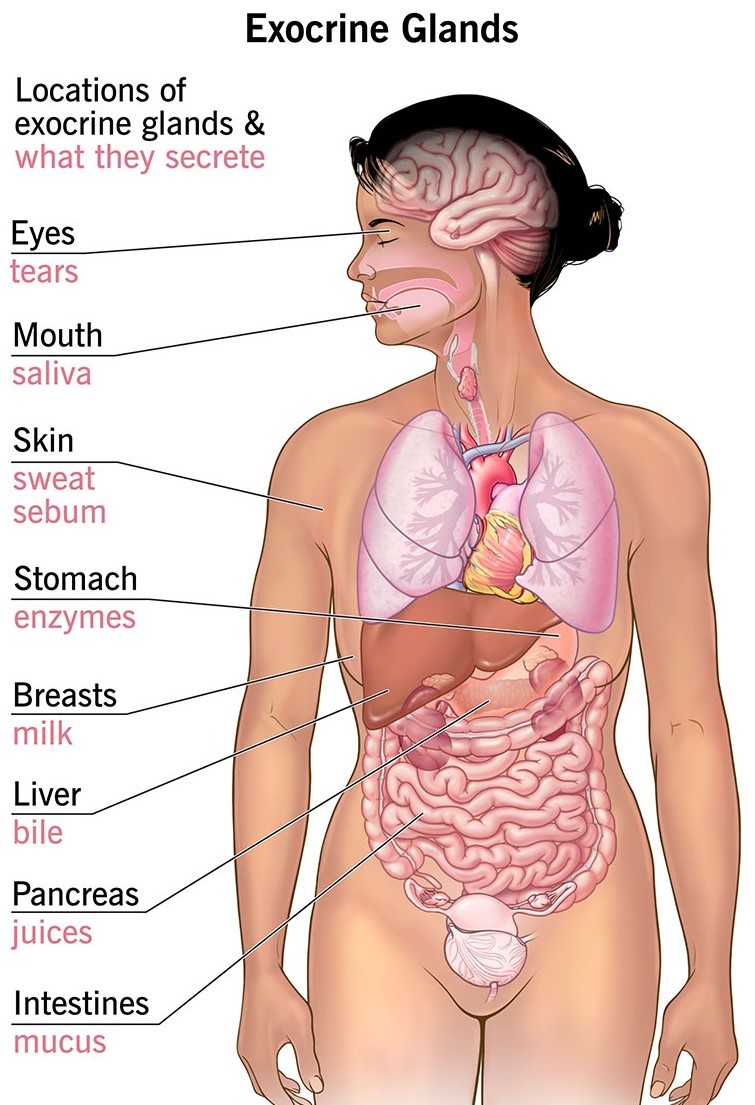 because they perform both functions. Endocrine glands are ductless and secrete hormones directly into the bloodstream. Exocrine glands release their secretions through ducts onto our body surface or into internal cavities.3-6 Depending upon the organ they are associated with, these have a variety of functions viz, digesting food, absorbing nutrients, protecting the inner lining of organs, controlling the body temperature, and lubricating our hair, skin, eyes, mouth, and internal tract linings.5,6
2. Digestive Exocrine Glands
2.1 Exocrine Liver: Its role as a major exocrine gland is to secrete bile, a sticky yellow green fluid, into the digestive tract to help break down fats and absorb crucial fat-soluble 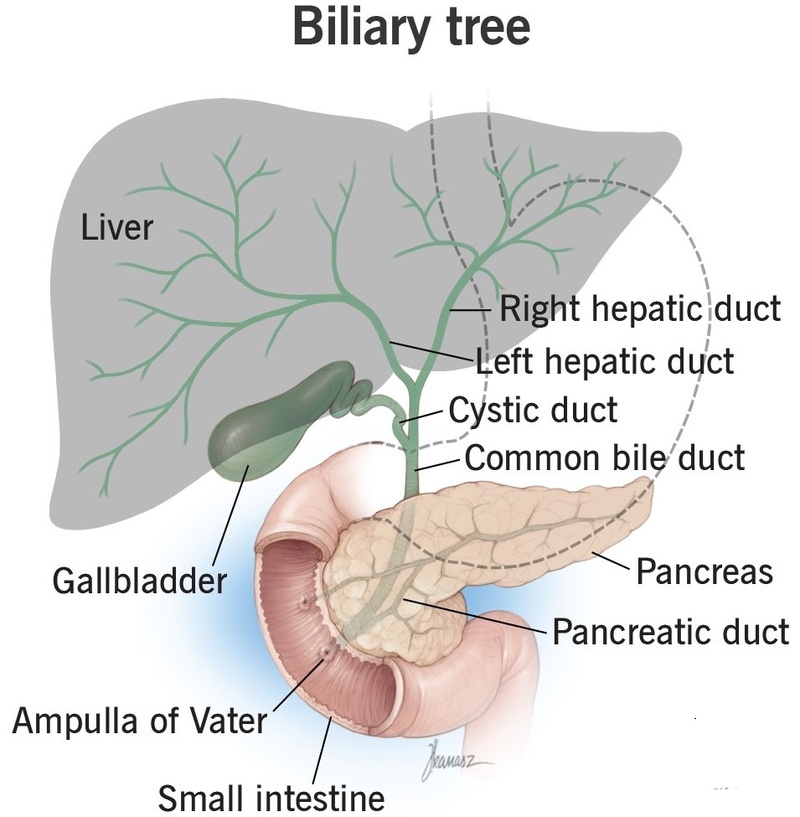 vitamins in the gut and help in carrying away as waste what the body cannot use, like bilirubin and cholesterol.5,6,7
Exocrine Liver dysfunction: When bile flow slows or gets blocked, bile acids and bilirubin accumulate in the liver and blood, while the intestine receives too little bile. This causes cholestasis with inflammation of the liver, 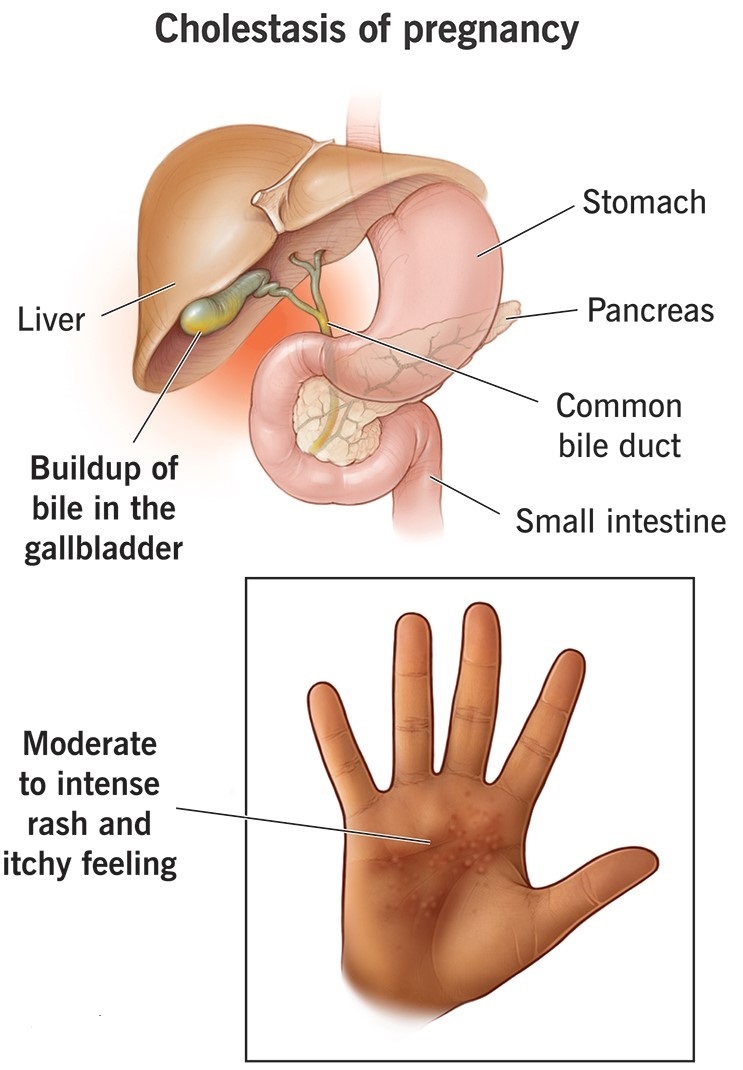 pancreas, gallbladder or bile ducts, leading to pain, nausea, indigestion and diarrhoea; severe obstruction may progress to liver failure. Bilirubin build‑up produces jaundice and intense itching, and lack of bile in the intestine results in poor absorption of fats and vitamins A, D, E, K, seen as pale, greasy stools. Long‑term bile‑duct injury can destroy tissue and cause permanent scarring (biliary cirrhosis).5,7-10
When bile flows backward into the stomach or oesophagus, often after gall‑bladder surgery, it causes bile reflux, producing yellow or green vomit, diarrhoea, abdominal pain, heartburn, or a foul taste. Because this is alkaline bile rather than acid, it does not improve with lifestyle changes and requires medical treatment.5,7-10 Also read health article vol 15 #6.11
Tips for bile health: Drink plenty of water; eat fibre, healthy fats, and bitter greens (beet, artichoke, dandelion, citrus) to keep bile flowing. Avoid alcohol, sugary drinks, bad fats, spicy and processed foods.11,12
2.2 Exocrine Pancreas: About 85% of the pancreas makes pancreatic juice containing digestive enzymes and an alkaline, bicarbonate‑rich fluid. These help break down carbs, proteins and fats, neutralise stomach acid, and keep the intestinal pH in the neutral–alkaline range where the enzymes work best.13,14
Pancreatitis is inflammation of the pancreas caused by premature activation of its enzymes, leading to autodigestion and tissue injury. It presents with severe epigastric pain often radiating to the back. Reduced enzyme output can impair fat digestion, 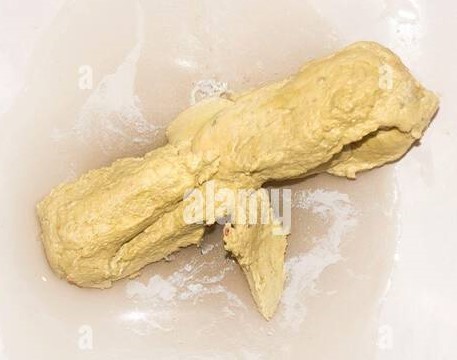 causing bulky, pale, foul‑smelling stools that may float (steatorrhea).5,11,13-16
Cystic fibrosis is a genetic disorder where thick, sticky mucus builds up in organs, especially the lungs and airways, causing frequent infections. In the pancreas it leads to cysts, 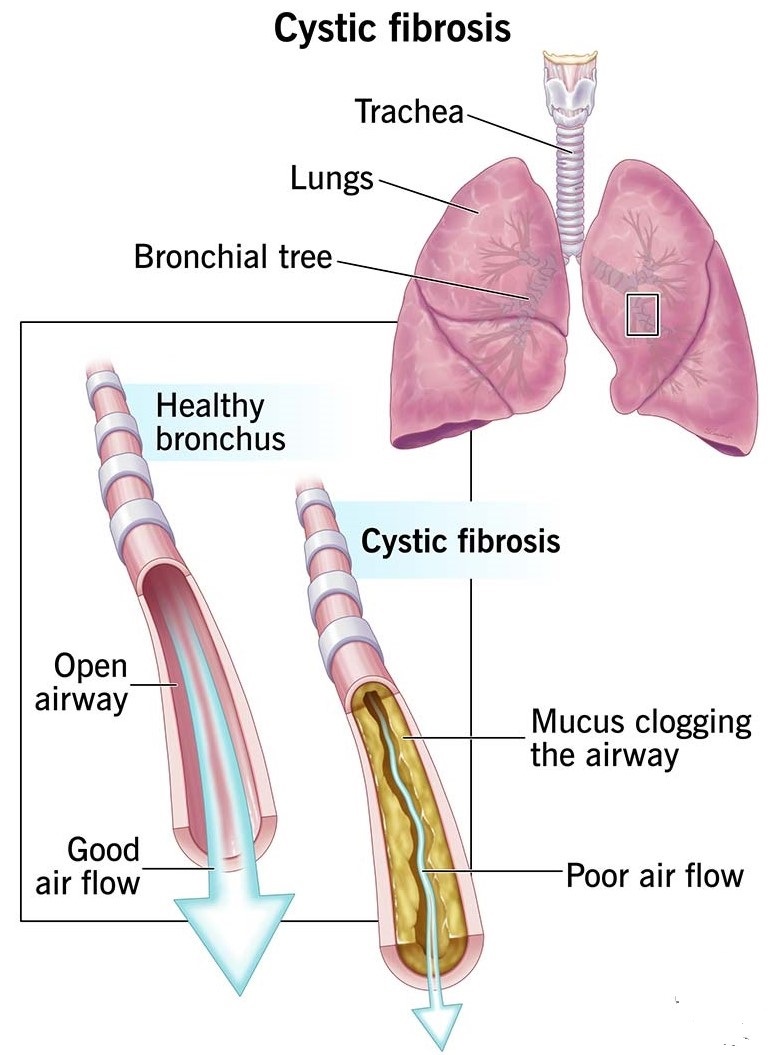 scarring, and blocked ducts, preventing digestive enzymes from reaching the intestine and making nutrient absorption difficult. It is a lifelong condition that worsens over time, and salty sweat is used as a key diagnostic marker.17
2.3 Gastric glands are mainly exocrine glands lining the stomach mucosa. They produce digestive juices like hydrochloric acid, pepsinogen, and protective mucus, releasing these directly into the stomach to break down 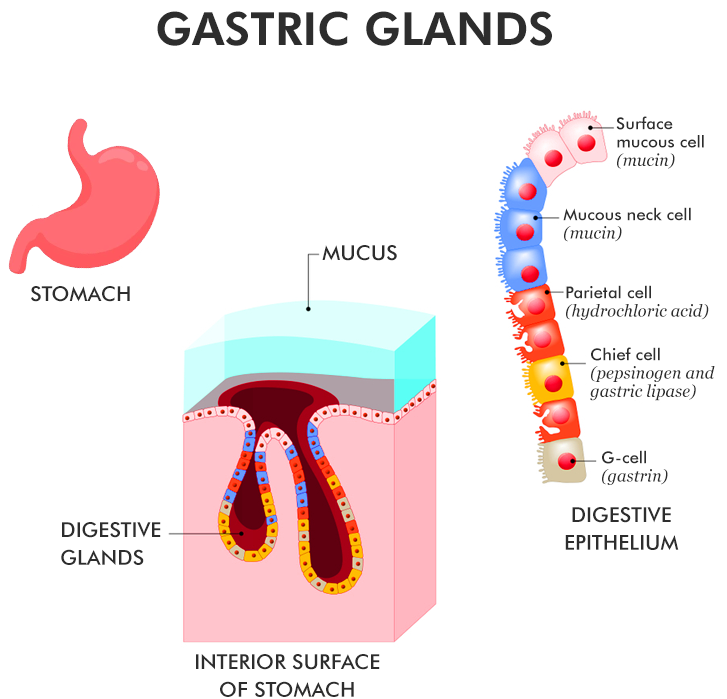 food and aid nutrient absorption. When these secretions are impaired, symptoms include excess gas, bloating, early fullness, nausea, abdominal cramps, weight loss, and vitamin deficiencies, especially B12.5,18,19
2.4 Brunner’s glands in the duodenum produce alkaline bicarbonate-rich mucus to protect the delicate small intestine by neutralizing the highly acidic chyme (partially digested food) entering from the stomach.5,20
2.5 Salivary glands synthesise and secrete saliva into the oral cavity to help chew, swallow, and digest food, keep the mouth and throat moist and teeth free from bacteria. Thanks to the unique composition of saliva, we can relish a delicious meal!5,21 Refer to health article vol 15 #6.11
Tips for healthy salivary glands: Stay hydrated; chew sugar‑free sour candy or lemon wedges; gently massage from in front of the ears and under the jaw toward the chin; avoid mouth breathing, especially at night.11,22,23
3. Skin, eye, and ear related exocrine glands
3.1 Sweat glands, small structures in layers of skin, are of two types:
Eccrine glands are spread all over the body, including palms and soles, and produce clear, watery, odourless sweat made mostly of water with about 1% of sodium and chloride. This thermal sweat helps cool the body and 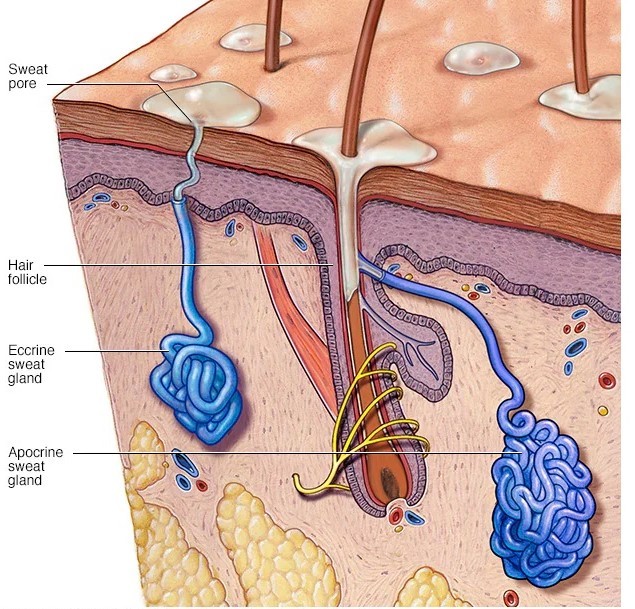 prevent overheating.
Apocrine glands are mainly in the armpits, beard and genital areas and produce thicker stress sweat during anxiety or emotional triggers; this reaches the skin through hair follicles and is responsible for body odour. These glands become active only after puberty, hence no body odour in young children. Sweat hydrates the skin, prevents overheating during heat, doing exercise or eating spicy/fatty foods, and contains antimicrobial peptides that protect against infection.24
Sweat disorders: Prickly heat occurs when sweat gets trapped under the skin, common in babies, humid climates, or 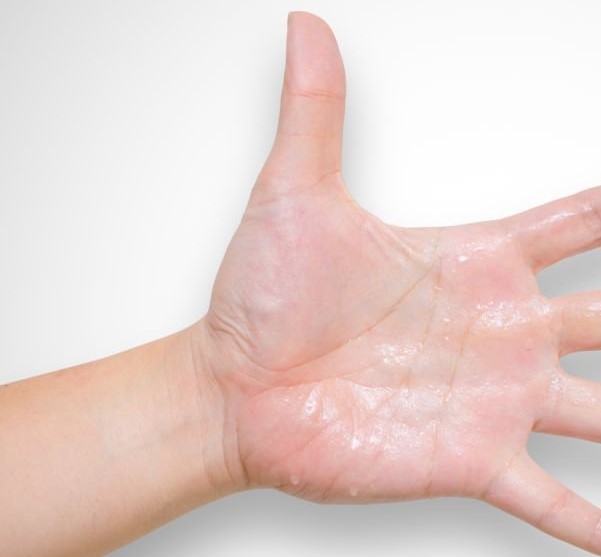 prolonged bed rest. Anhidrosis means
 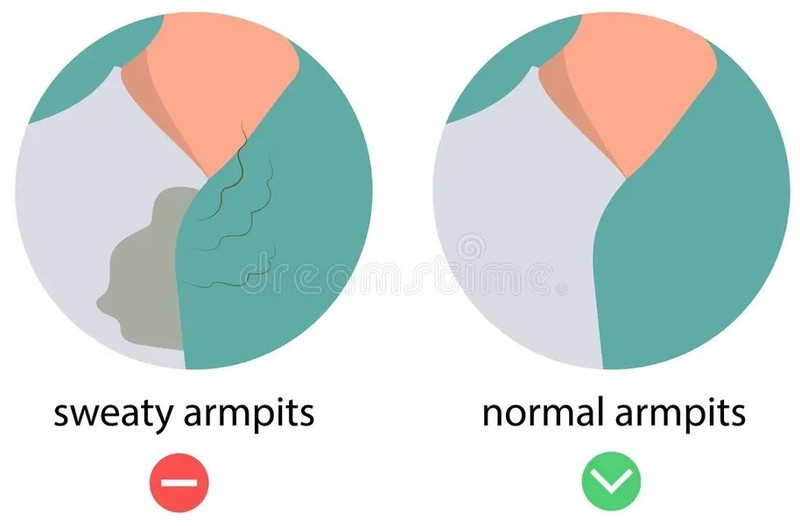 reduced or absent sweating, risking heat exhaustion or heat stroke. Primary hyperhidrosis causes excessive sweating in specific areas, especially palms, armpits, feet, face, even at rest; it is genetic and usually begins before age 25. Secondary hyperhidrosis is whole‑body excessive sweating due to conditions like menopause, obesity, heart disease, diabetes or Parkinson’s, or certain medications. Symptoms range from mild wetness to dripping sweat, and long‑term issues may include itching, inflammation, body odour, and cracked skin on the feet.24,25
Tips to contain sweat: Wear breathable cotton; avoid polyester and tight clothing; bathe regularly.25
Bromhidrosis (excessive body odour): Sweat itself is mostly odourless. Body odour happens when skin bacteria break down apocrine sweat. A person may smell without sweating visibly and may sweat heavily without strong odour. Temporary odour is 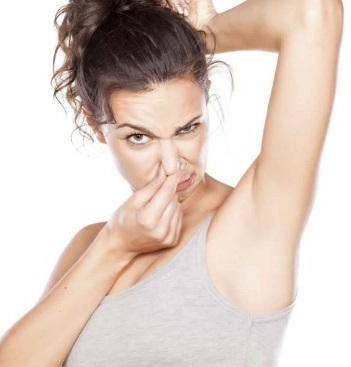 common after exercise, stress, or staying long in humid conditions. Men experience it more because they have more body hair and more apocrine glands. Odour can change with hormones, spicy or sulphur‑rich foods (onion, garlic, cabbage family), alcohol, or certain medicines. If odour persists despite bathing and clean clothes, it may signal an underlying issue such as diabetes, liver or kidney disease, overactive thyroid, or infections.24-26
Tips to prevent body odour: Maintain hygiene, use antibacterial soap if needed, keep armpits shaved, wear clean loose cotton clothes, avoid strong‑smelling foods, and manage stress.
Natural remedies for body odour: Apply baking‑soda paste to armpits; use warm soaked green tea bags for a few minutes; spray diluted apple cider vinegar or lemon juice to reduce bacteria.26
3.2 Sebaceous glands are tiny glands found in large numbers across the skin, especially on face and scalp, but not on palms or soles. They open into hair follicles and secrete sebum, an oily 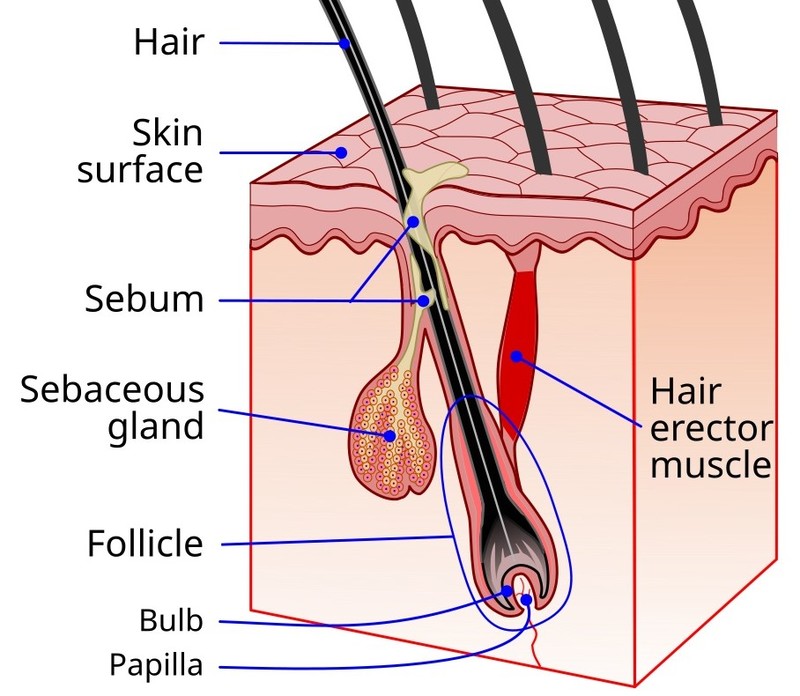 substance that lubricates and protects skin and hair, also helps prevent ears from drying out.27
Acne: When sebum mixes with dead skin cells and gets trapped in hair follicles, it clogs the pores and forms blackheads (open dark bumps), whiteheads (closed bumps), and other acne on the face, chest, shoulders, or 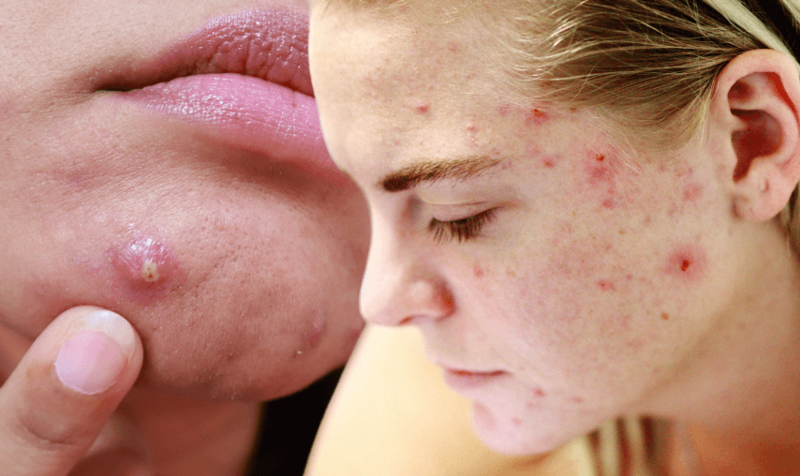
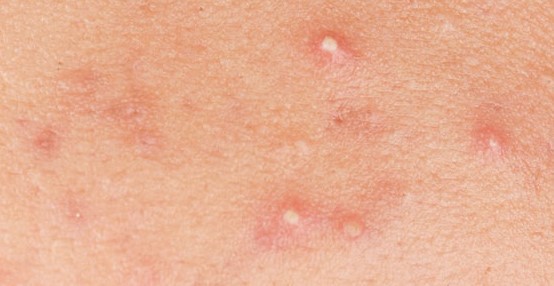
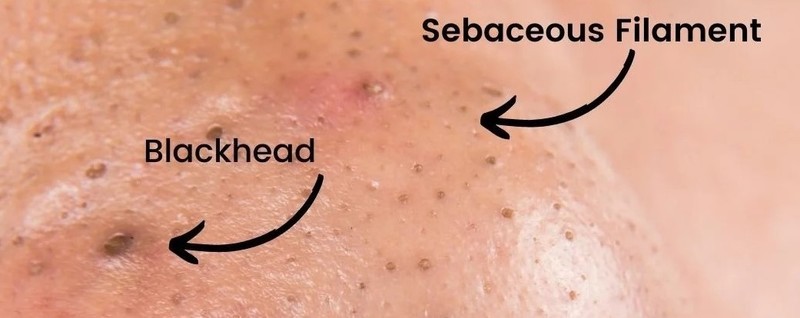 upper back, areas with many oil glands. Pimples are pus‑filled bumps, sometimes painful; cystic acne causes deep pus‑filled lumps and nodules that can scar; fungal acne is itchy and inflamed. During puberty, excess sebum leads to acne and blackheads, and secretion levels settle in adulthood and decline after age 70. Common triggers include high‑sugar diet, tight clothing, high humidity, oily creams or lotions, stress‑related cortisol, certain medications, and picking at acne.27-31
Tips for healthy sebaceous glands: Eat fruits and vegetables rich in vitamin C; limit sugar; wash face twice daily and after sweating; use oil‑free moisturizers; avoid touching the face.27-31
3.3 Lacrimal glands are tear glands located above our upper eyelids. They release fluid to keep eyes moist, each time we blink. Common disorder is inflammation of gland with symptoms of redness, discomfort, dry eyes, excessive discharge or tears, 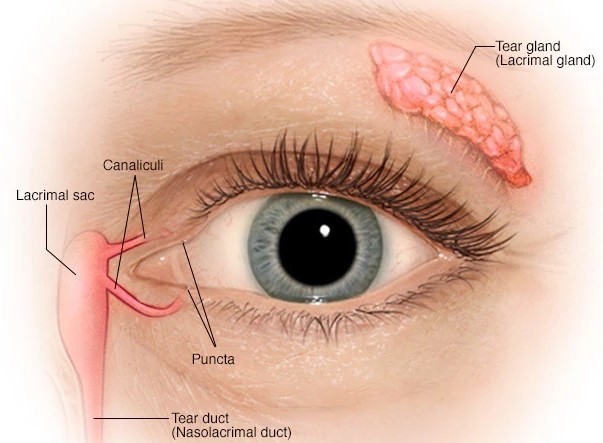
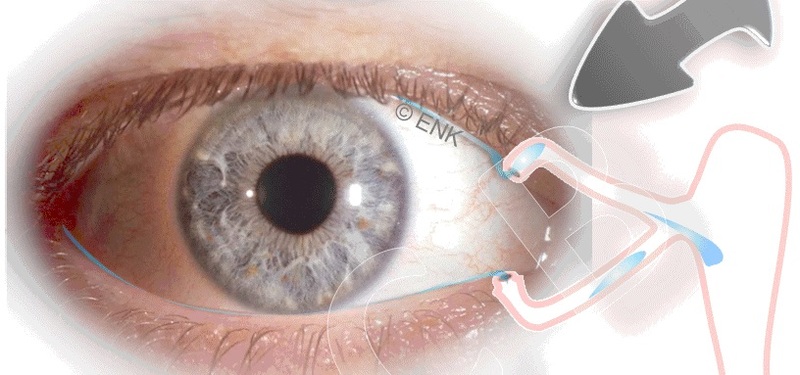 and pain.32-34 Read health article on Eyes, vol 11 #4.35
Tips for healthy tear glands: Eat vitamin A and omega‑3 rich foods; stay hydrated; keep screens slightly below eye level; blink often; protect eyes from wind and smoke; use a humidifier in dry rooms.34,35
3.4 Ceruminous glands are modified sweat glands in ears that produce ear wax (cerumen). This wax protects ear canal by keeping it hydrated, trapping dirt and germs, and shielding the inner ear from water. Ears naturally shed old wax and replace it with new; healthy wax is off‑white, pale yellow, or brown, while darker colour usually means old debris. Ear buds, 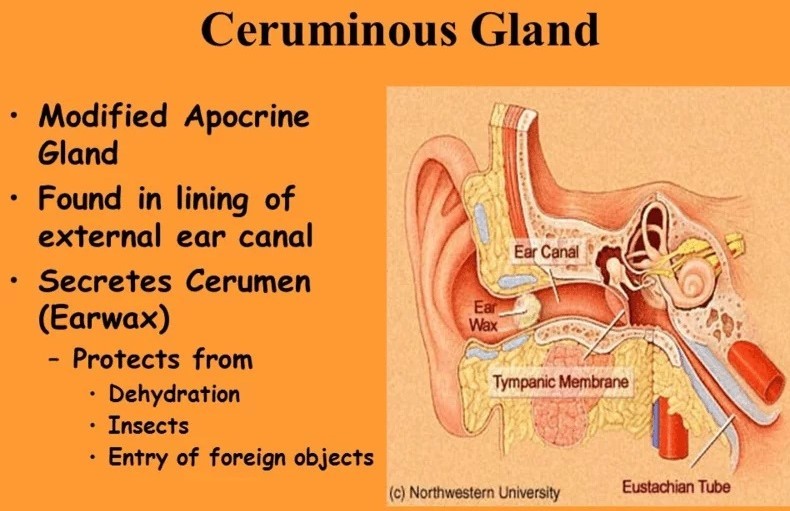 plugs, or hearing aids can trap wax, so these devices must be cleaned regularly. Common disorder is wax build‑up (impacted cerumen), which can cause hearing loss, earache, tinnitus, or a feeling of fullness in ears.36-39 Read health article on Ears, vol 11 #6.40
Tips to soften ear wax and prevent blockage: Use baby oil, glycerine, mineral oil, or ear drops; avoid cotton swabs; never irrigate if eardrum damage is suspected; clean only the outer ear; get ears checked yearly.37-40
4. Reproductive exocrine glands
Female Mammary glands are modified sweat glands located in the breast, 15-20 rounded lobes arranged like spokes in a wheel; they support breastfeeding by producing 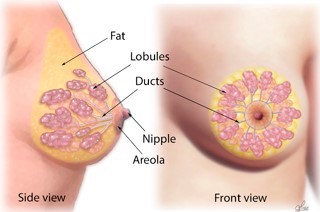 nutrient‑rich milk that also protects a baby’s developing immune system. Bartholin glands on each side of vaginal opening and Skene’s glands near urethra release fluid that lubricates and protects vagina from infection to support urinary health. Skenitis is the most common infection with vaginal discharge or pain, and smelly, cloudy, painful urination, or incontinence.41-43 Read Women’s health article, vol 17 #2.44
Male reproductive glands: Prostate is a glandular organ below the bladder with exocrine role in the male reproductive system and contributes to urinary control. Cowper’s glands lubricate the reproductive tract of males.45,46 For more details and disorders of the prostate and seminal vesicles Refer Newsletter vol 17 #3.47
Final Reminder: Hydration, hygiene, balanced nutrition and staying active & positive support all exocrine glands.48
References and Links
- Sathya Sai Speaks on Good Health and Goodness, Chap 21, 30 Sept 1981: https://sssbpt.info/ssspeaks/volume15/sss15-21.pdf
- Sathya Sai Speaks, vol 9, chapter 21, Divine Discourse on Seaworthy Boat, 12 Oct 1969: https://sssbpt.info/ssspeaks/volume09/sss09-21.pdf
- Tissues: https://my.clevelandclinic.org/health/body/body-tissue
- Glands: https://my.clevelandclinic.org/health/body/glands
- Exocrine glands: https://my.clevelandclinic.org/health/body/22947-exocrine-glands
- Exocrine system: https://my.clevelandclinic.org/health/body/22951-exocrine-system
- Bile from Liver: https://www.verywellhealth.com/definition-of-bile-1759867
- Biliary tract: https://my.clevelandclinic.org/health/body/biliary-tract
- Bile disorders: https://my.clevelandclinic.org/health/diseases/24554-cholestasis
- Bile reflux: https://www.verywellhealth.com/evaluate-your-vomiting-770363
- Health article on keeping Accessory digestive organs healthy, Newsletter vol 15#6, Nov-Dec 2024: https://news.vibrionics.org/en/articles/453
- Tips for heathy bile flow: https://integrative.ca/blog/6-simple-ways-to-support-healthy-bile-flow
- Exocrine pancreas: https://teachmephysiology.com/gastrointestinal-system/other/exocrine-pancreas/
- Pancreatic juice: https://www.hopkinsmedicine.org/health/conditions-and-diseases/the-digestive-process-what-is-the-role-of-your-pancreas-in-digestion
- https://www.osmosis.org/answers/I-get-smashed-causes-of-pancreatitis-mnemonic
- Steatorrhea: https://my.clevelandclinic.org/health/symptoms/24049-steatorrhea-fatty-stool
- Cystic fibrosis: https://my.clevelandclinic.org/health/diseases/9358-cystic-fibrosis
- Stomach/Gastric glands: https://www.geeksforgeeks.org/biology/gastric-gland-anatomy-types-functions-importance/
- https://blatmanhealthandwellness.com/blog/b12-deficiency-and-your-gut-health/
- Brunner’s Glands: https://www.sciencedirect.com/topics/medicine-and-dentistry/brunners-glands
- Salivary glands: https://my.clevelandclinic.org/health/body/23462-salivary-glands
- Tips for healthy Salivary Glands: https://www.colgate.com/en-us/oral-health/dry-mouth/how-to-keep-your-salivary-glands-healthy
- Salivary gland massage video: https://www.youtube.com/watch?v=ftJw-rNCLk4&t=57s
- Sweat glands: https://my.clevelandclinic.org/health/body/sweat
- Hyperhidrosis: https://my.clevelandclinic.org/health/diseases/17113-hyperhidrosis
- Bromhidrosis: https://my.clevelandclinic.org/health/symptoms/17865-body-odor
- Sebaceous glands: https://my.clevelandclinic.org/health/body/24538-sebaceous-glands
- Acne: https://my.clevelandclinic.org/health/diseases/12233-acne
- Blackheads: https://my.clevelandclinic.org/health/diseases/22038-blackheads
- https://www.soma-wellness.com/blog/what-are-blackheads
- https://acneexpress.com.au/types-of-pimples/
- Lacrimal glands: https://www.apolloclinic.com/for-patients/services/consultations/ophthalmology/lacrimal-gland
- Tear gland inflammation: https://www.eyedoctorophthalmologistnyc.com/treatment/tear-gland-inflammation/
- Dry eyes: https://www.mayoclinic.org/diseases-conditions/dry-eyes/symptoms-causes/syc-20371863
- Health article on “Eyes are Precious – Take Good Care”, Newsletter vol 11 #4, July-Aug 2020: https://news.vibrionics.org/en/articles/311
- Ceruminous glands: https://www.miracle-ear.com/hearing-loss/how-hearing-works/anatomy-of-the-ear/ceruminous-glands
- https://my.clevelandclinic.org/health/body/24624-earwax
- https://my.clevelandclinic.org/health/diseases/14428-ear-wax-buildup--blockage
- https://health.clevelandclinic.org/ear-wax-removal-101-the-best-and-safest-ways-to-clear-clogged-ears
- Health article on “Ears are Precious – Take Good Care”, vol 11 #6, Nov-Dec 2020: https://news.vibrionics.org/en/articles/328
- Mammary glands: https://training.seer.cancer.gov/anatomy/reproductive/female/glands.html
- https://my.clevelandclinic.org/health/articles/8330-breast-anatomy
- Skene’s Glands: https://my.clevelandclinic.org/health/body/24089-skenes-gland
- Health article on “Taking Care of Women’s Health”, Newsletter vol 17 #2, Mar-Apr 2026: https://news.vibrionics.org/en/articles/491
- Prostate Gland: https://my.clevelandclinic.org/health/body/23965-prostate
- Cowper’s glands: https://jamanetwork.com/journals/jama/article-abstract/829027
- Health article on “Men! Take Care of your Reproductive Heath”, vol 17 #3, May-June 2026: https://news.vibrionics.org/en/articles/498
- Hydration is vital: https://cdhf.ca/en/the-importance-of-staying-hydrated-general-hydration-and-virus-recovery/
_____________________________________________________________________________________________________________
2. Workshops & Seminars
Three 5-day workshops each with a day’s gap in between them were organised at the SVIRT office Puttaparthi from 9 July to 25 July 2026.
2.1 Telugu AP Practical Workshop, 9–13 July 2026
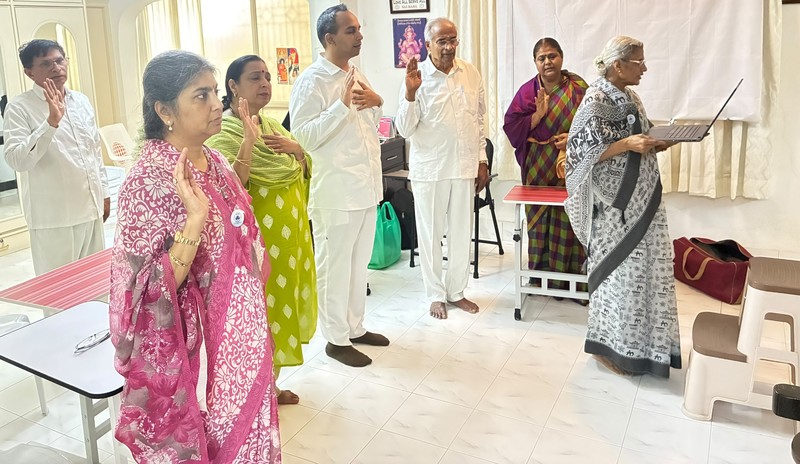
Seven enthusiastic participants from Andhra Pradesh and Telangana, driven by a strong desire to serve through Vibrionics camps in remote rural areas, successfully qualified as Assistant Practitioners (APs)* in Telugu language. Having completed the e-course during June–July 2026, which covered the fundamental theoretical aspects of vibrionics, they attended the five-day practical workshop. Here the focus was on the practical aspects where they received invaluable hands-on training in conducting clinics, preparing remedies, maintaining patient records, presenting cases, and other clinical procedures. The sessions were conducted by SVP11568&11634 & VP11632 under the leadership of senior VT10375 & 11567, the latter had also painstakingly translated all admission and training documents into Telugu. On completing their training, all seven took the oath and received their 108CC Boxes on 12 July 2026.
In his inspiring valedictory address, Dr JK Aggarwal reminded the participants that Swami, having blessed this healing system, will always guide sincere practitioners, especially as they begin their seva journey. He emphasized the importance of serving with love, seeing Swami in every patient, faithfully offering at least one hour of seva each day, holding regular local or WhatsApp meetings (involving patients too), encouraging more people to join vibrionics, and taking this healing mission to remote villages. Deeply inspired by his words, the newly qualified AP18021 volunteered to coordinate regular monthly meetings for the group, which will be facilitated by VP11632.
*Regn. Nos. 18019 to 18025
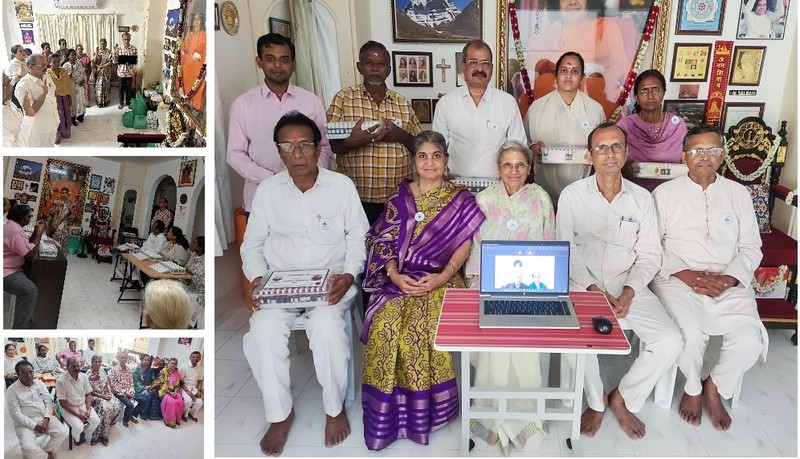
2.2 AVP Face-to-Face Workshop, 15-19 July 2026
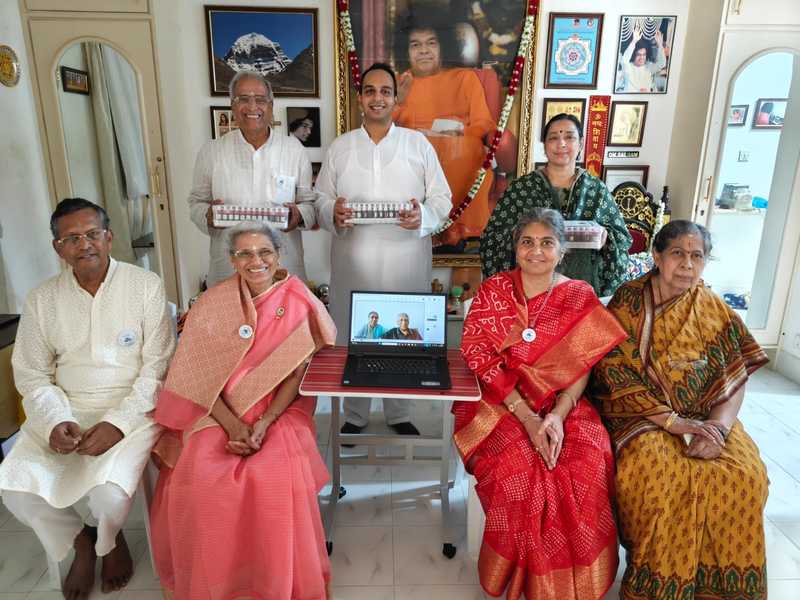
Three dedicated participants, two from India and one from South Africa, qualified as Assistant Vibrionics Practitioners* (AVPs). Having completed the AVP e-course conducted from April to July 2026, they attended the five-day practical workshop under the able guidance of two Senior Teachers10375&11422. The focus was on hands-on training through live clinics, enabling participants to gain practical experience in patient consultation, remedy selection and preparation using different mediums, maintaining patient records, drafting case histories, uploading seva reports, and effectively introducing vibrionics to audiences of diverse backgrounds. On successfully completing the training, all three took the oath and received their 108CC Boxes on 18 July 2026.
A special feature of the workshop was an inspiring session by Dr JK Aggarwal on "Lifestyle, Diet and Practitioners' Self-care." Although he had not conducted regular sessions for some time, he made a special effort to address this batch, making it a memorable learning opportunity. He spoke on the essentials of a healthy lifestyle and balanced diet, encouraged practitioners to take some vibrionics remedy daily as part of their selfcare, and concluded with the inspiring message: Let our lifestyle be a fragrant offering at Swami's Feet.**
In the founders’ valedictory address, Dr Aggarwal highlighted the essence of vibrionics practice: serving with unconditional love, seeing Swami in every patient, maintaining complete and accurate patient records, and inspiring every successfully treated patient into considering vibrionics as their first choice of treatment! He encouraged practitioners to make a sincere effort to inspire such patients to bring more people for treatment and, where appropriate, to consider becoming practitioners themselves, a natural and organic way to help vibrionics grow. He also underscored the importance of creating awareness about vibrionics without canvassing and staying connected through mentor support groups. Mrs Hem Aggarwal encouraged participants to serve with compassion balanced by detachment, reminding them to avoid emotional involvement in patients’ illnesses or personal circumstances. She concluded by emphasising that the most vital discipline for every practitioner is to “look within.”
At the conclusion of the workshop, the participants shared that the practical training gave them confidence to identify remedies and treat patients effectively, and were ready to begin their seva with enthusiasm and dedication.
*Regn. Nos. 11686, 11688 and 03627
**The ppt and document on cleaning of vegetables & fruits have been uploaded on our practitioners' site - https://practitioners.vibrionics.org
2.3. SVP Workshop, 21–25 July 2026
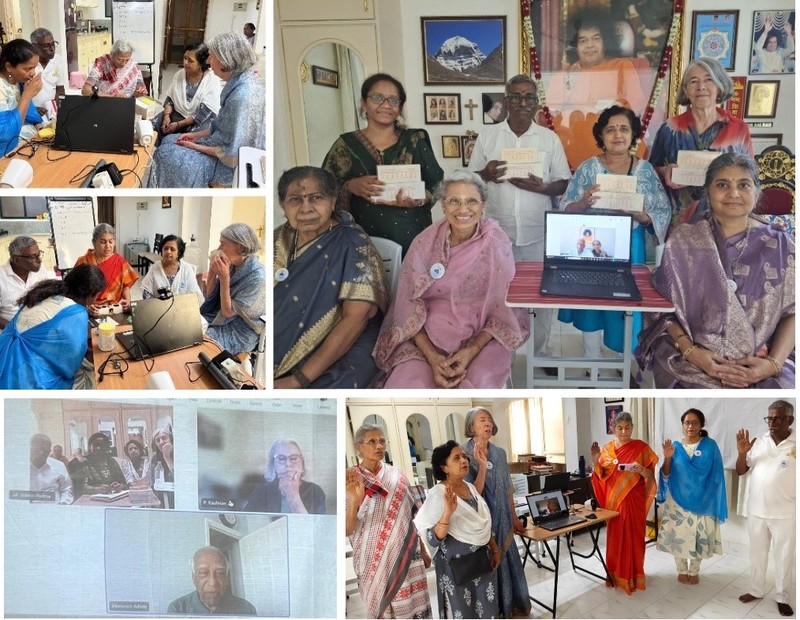
Five participants* qualified as SVPs and reverentially took their oath before Swami on 25 July 2026. Four attended the training in Puttaparthi - two from India, one from the UK, and one from France, while the fifth joined online from the USA. They had completed an intensive seven-week online course with the expert guidance, encouragement, and mentorship of their trainers. Each week, they studied a new chapter followed by assessments to consolidate and evaluate their understanding.
The face-to-face workshop built upon this foundation, exploring the course material in greater depth and focusing on its practical application through numerous clinical cases shared by both participants and trainers. The participants greatly appreciated the five-day training, which provided them with valuable hands-on experience and confidence to begin treating patients using the SRHVP. They were particularly grateful for the availability, attentiveness, and extensive knowledge and experience of Senior Teachers 10375 & 11422, as well as the enriching interactions within the group.
The founders addressed the participants at both the opening and closing sessions. At the outset, Dr Aggarwal shared the history and principles of vibrionics, emphasising the importance of prayer in healing and the need for practitioners to maintain pure intentions. During the closing session, Dr Aggarwal and Hem Aggarwal shared several insightful cases from their experience, illustrating key principles and learnings of vibrionics. Dr Aggarwal emphasised the importance of maintaining a strong connection with Swami and treating every patient with love: “Give love to your patients, and they will get better!” He reminded the newly qualified SVPs of their responsibility to contribute more actively to the functioning of SVIRT and to research. He also stressed that when practitioners make a promise to God to undertake seva, they should honour it with sincerity and commitment. He encouraged them to take up administrative seva according to their interests, assume responsibility for their chosen tasks, and carry them through with diligence.
* Regn #03604, 03605, 03607, 11654 & 11673
_____________________________________________________________________________________________________________
3. Camps & Clinics
3.1. Sri Sathya Sai Unity Run & Ride, Jawaharlal Nehru Stadium, New Delhi, 5 July 2026
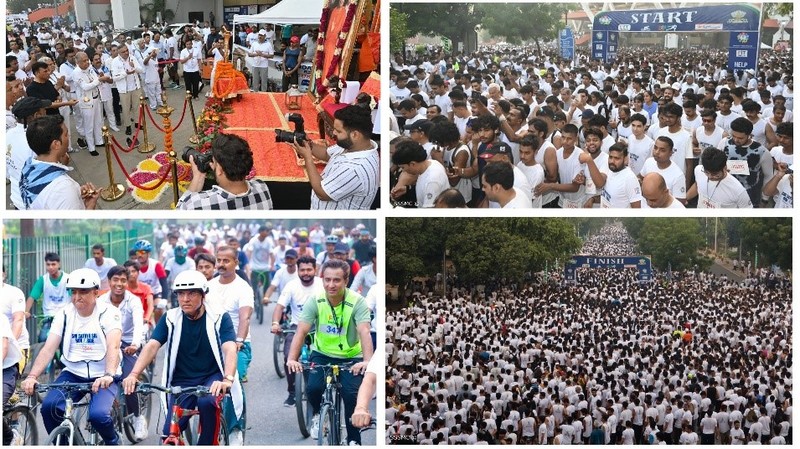
As part of Sai Baba's Centenary Year celebrations, over 10,000 participants joined the SSS Unity Run & Ride, jointly organised by the Fit India Movement and the SSS Seva Organisation. The event promoted fitness, unity and Swami’s message "Love All, Serve All".
Sai Vibrionics practitioners played a unique role in this large-scale seva. As members of the medical team, Practitioners 11452,11427&11606 prayerfully prepared a Running Booster Remedy*, which was mixed into water and distributed through dispensers at hydration points throughout the stadium and along the run and ride routes. By Swami's grace, every participant was offered the remedy despite the scale of the event.
This remarkable service demonstrated how faith, teamwork, and selfless dedication can transform even a massive public event into an opportunity to share Swami's love.
* CC3.7 Circulation + CC10.1 Emergencies + CC12.1 Adult tonic + CC20.4 Muscles & Supportive tissue + CC21.3 Skin allergies
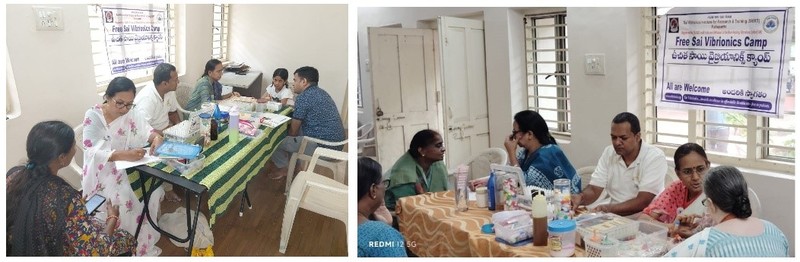
3.2. SRCM Heartfulness Meditation Centre, BHEL, Hyderabad, Telangana, 19 July 2026
The Head of Heartfulness Meditation Centre, impressed by his wife’s remarkable recovery after receiving at vibrionics BHEL Sai Samithi camp, invited the vibrionics team to extend their services to the Centre, which offers free heartfulness meditation and related programmes.
At the inauguration on 19 July, VP11658 gave a brief introduction to Sai Vibrionics. She and SVP11568 assisted by AVP11674, attended to 25 patients with various health conditions from 9:30 am to 12 noon. The camp will henceforth be held on the third Sunday of every month.
_____________________________________________________________________________________________________________
4. Anecdote
4.1 From the Diary of Dr Jit Aggarwal - Miracle at the Border (continued from last newsletter vol 17 #4)
Later during the trip, my son, Suneil, a medical student at the time, was travelling to join us in Croatia. His role was to support his mother in running the clinics while I focussed on teaching the classes. As part of the plan, he was tasked with bringing the remaining 25 SRHV potentisers directly to Croatia. Given our tense experience earlier, carrying a large bulk of these unusual devices was highly risky.
At the security checkpoint, Suneil's suitcase was placed on the conveyor belt. As it went through the X-ray scanner, the screen clearly displayed all 25 machines to the operators. A customs officer looked at the monitor, turned to Suneil, and asked a single question: "Are these cassettes?" Suneil honestly simply replied, "No". Astonishingly, there was no further questioning, no luggage search, and no referral to higher authorities. He was waved right through.
For us, there was no doubt that Swami’s hand was at play. How else could 25 distinct, wooden potentisers look like simple cassettes on an X-ray screen and pass through a high-security border completely unchallenged?
4.2 Swami’s Blessing: Let Love Flow 10375…India
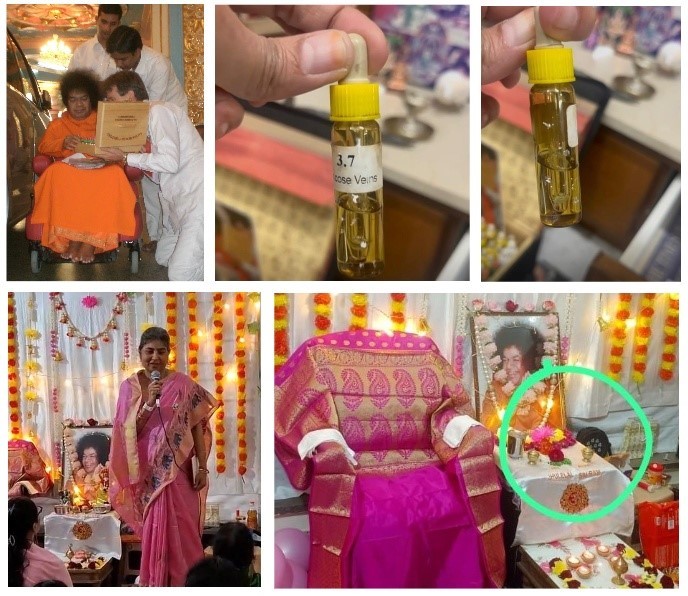
It was 18 Nov 2025 around 9:30 pm when, while preparing remedies for my patients, I noticed a sprinkling of vibhuti on the outside of CC3.7 Circulation bottle and some sprinkled inside the 108CC box near its slot. I was reminded of Swami’s photograph on the inside page of the 108 CC book, showing Swami holding the CC3.7 bottle, saying “Very good, very good.” I felt this was Swami’s loving guidance to include CC3.7 Circulation in the combos I was preparing, with a deeper message that everything in life should remain in circulation, without stagnation, not only money, food and resources, but also our thoughts and minds, enabling us to progress spiritually. The following day, 19 Nov, during the Ladies’ Day celebration at my Samithi, I was invited to speak about my experiences, I received another beautiful blessing. As I began my talk, a lotus flower that had been placed above Swami’s picture fell gently in front of His photograph. Receiving these two blessings on two consecutive days filled my heart with love and gratitude. I then joyously travelled to Puttaparthi, where my co-teacher, Practitioner11422 and I were to conduct AVP workshop.
_____________________________________________________________________________________________________________
5. In Memoriam
With deep sorrow, we announce that Sri Vasant Balaji Wani 10630 of Jalgaon, Maharashtra, merged peacefully into eternal rest in his sleep at the age of 85 on 6 July 2026. He practised vibrionics for more than 14 years, conducted weekly vibrionics 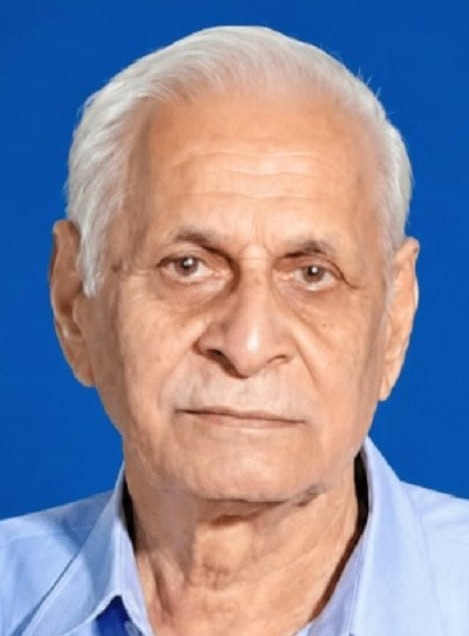 camp at Omkareshwar Temple in Jalgaon and monthly village camps at Yaval for many years. A devotee of Swami for nearly 50 years, he was also an active bhajan singer at his Sai Samithi. We offer our heartfelt condolences to his four daughters and pray to Swami for his soul’s onward journey to His Lotus Feet.