
Inoltre
Vol 17 Uscita 4
Luglio / Agosto 2026
1. Articolo sulla salute
Prendetevi cura dei vostri reni!
“Il corpo umano non è eterno. Comprende carne che può deperire, ed escrementi nauseabondi. Allo stesso tempo, in quel medesimo corpo sono presenti sentimenti sacri. Dovete prendervi cura del corpo in maniera adeguata per proteggere questo tesoro nascosto. Una volta che si è attinto a quel tesoro e che se ne è fatto buon uso, il corpo può essere abbandonato. Questo è il modo giusto di vivere la vita.” …Sathya Sai Baba1
1. Sistema, struttura, e funzionamento dei reni
1.1 I reni sono gli organi vitali e principali dell’apparato urinario, una componente considerevole del sistema escretore del nostro corpo per filtrare il sangue, equilibrare gli elettroliti, e regolare il volume del sangue e la pressione sanguigna.2,3
1.2 Di norma, ogni persona possiede due reni delle dimensioni di un pugno, a forma di fagiolo, su ciascun lato della 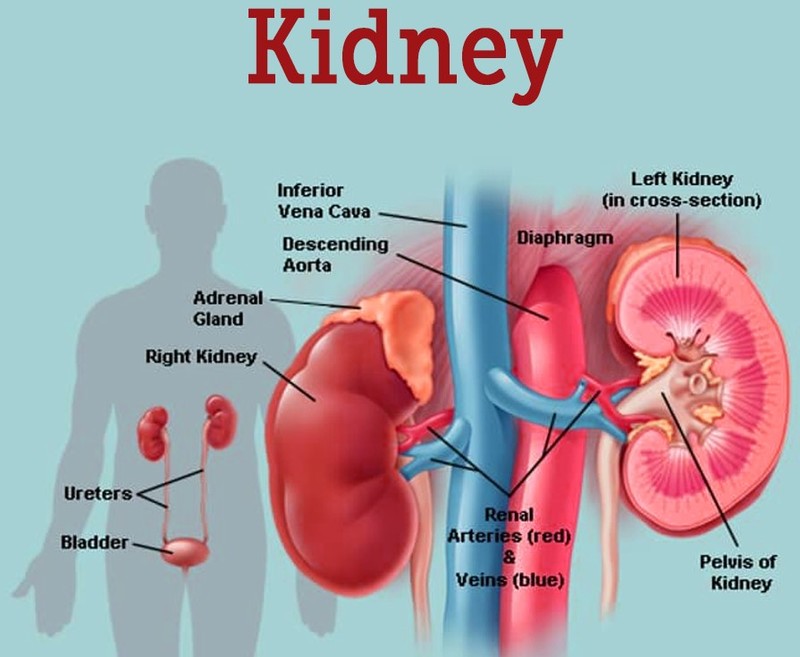
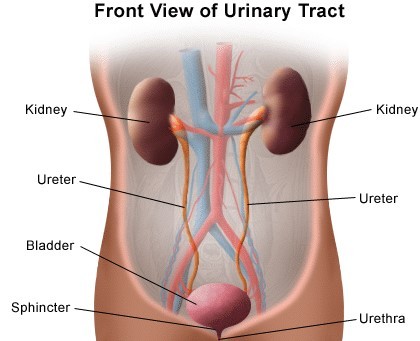 mass index. Each kidnespina dorsale nella parte bassa della schiena, appena al di sotto della gabbia toracica e ben protetti; il rene destro è leggermente più piccolo di quello sinistro. Il loro peso dipende dall’altezza, dal peso, dall’età e dall’indice di massa corporea. Ciascun rene è dotato di oltre un milione di unità filtranti, chiamate nefroni, che eseguono il complicato procedimento per la produzione di urina. Gli ureteri sono condotti muscolari che collegano ciascun rene alla vescica urinaria, un organo muscolare simile ad una sacca in cui si accumula temporaneamente l’urina fino a quando non viene eliminata; ogni 10-15 secondi, l’urina viene riversata dagli ureteri nella vescica in piccole quantità. Una vescica adulta e normalmente sana può trattenere circa ½ litro di urina per un tempo che va dalle 2 alle 5 ore. L’uretra è un canale che trasporta l’urina dalla vescica all’esterno del corpo. Due muscoli sfinterici, simili a fasce elastiche intorno all’apertura della vescica, aiutano ad impedire la fuoriuscita dell’urina. I nervi presenti nella vescica avvisano una persona quando è il momento di urinare. Una ghiandola surrenale, posta sulla parte superiore di ciascun rene, lavora strettamente con esso nel gestire la pressione sanguigna e l’equilibrio idrico, oltre al suo ruolo indipendente come ghiandola endocrina.2-9
1.3 Tre Processi Chiave della Funzione Renale: Quando il sangue entra nei reni attraverso le arterie renali, 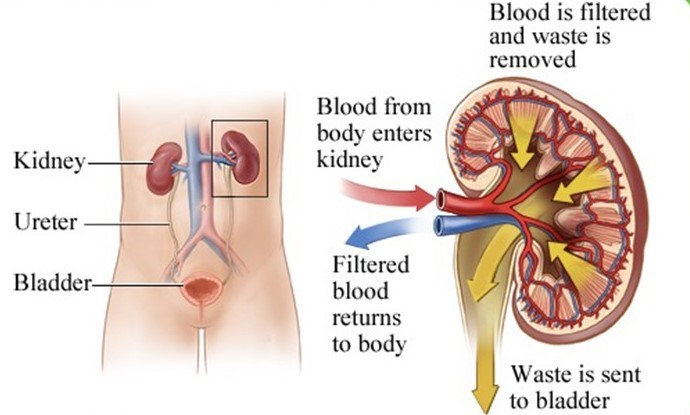
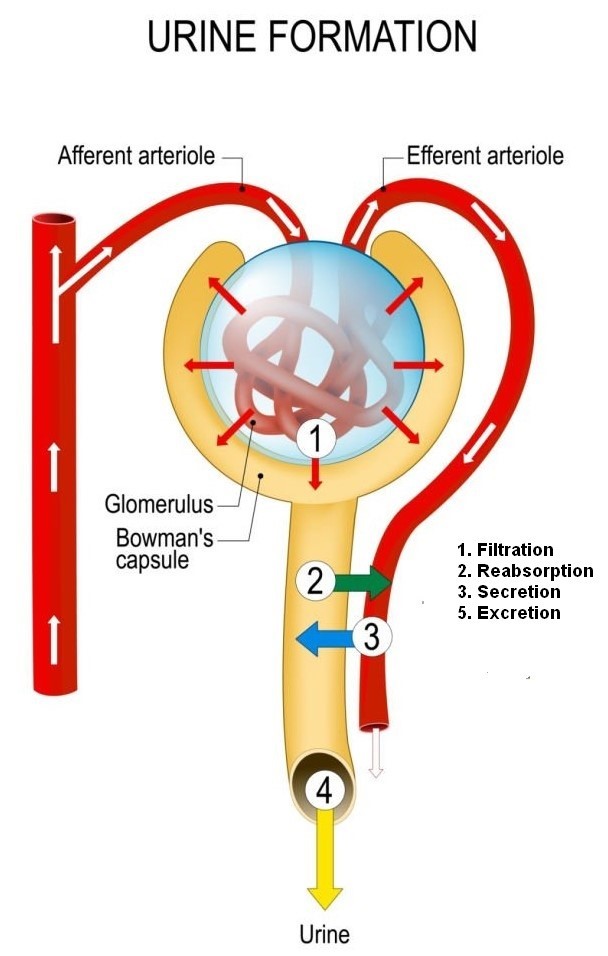 cells and most proteins subisce in primo luogo la filtrazione nei nefroni. La pressione del sangue spinge acqua, urea, creatinina, acidi, sali e glucosio attraverso minuscoli filtri, mentre le cellule del sangue e la maggior parte delle proteine rimangono nel flusso sanguigno. Questo viene seguito da una fase di riassorbimento, durante la quale le sostanze essenziali quali il glucosio, gli aminoacidi, i minerali e la maggior parte dell’acqua filtrata vengono restituiti al sangue. Infine, tramite la secrezione, ulteriori prodotti di scarto, acidi in eccesso, farmaci e tossine vengono attivamente trasferiti dal sangue ai tubuli renali. Il liquido rimanente diventa urina, che fluisce dai reni alla vescica attraverso gli ureteri.2-9
1.4 Straordinari Reni! Sebbene il corpo umano contenga solamente circa 5 litri di sangue, i reni ricevono circa 1.2 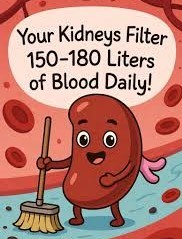 litri di sangue al minuto – quasi 1.700 litri al giorno. Poiché il sangue è costituito per circa il 55% di plasma (+ il 45% di cellule del sangue), ogni giorno passano attraverso i reni quasi 950 litri di plasma. Di questo, circa 180 litri vengono filtrati e depurati, eppure meno di 2 litri lasciano il corpo sotto forma di urina. Il liquido rimanente viene riassorbito e riutilizzato. Nonostante pesino solo circa 300 gr, i reni eseguono il lavoro di una raffineria chimica altamente sofisticata, continuando a filtrare, equilibrare e purificare i fluidi del corpo.2-9
I reni controllano anche l’equilibrio acido-basico (pH) del sangue, rilasciano zucchero quando necessario, e producono due ormoni – calcitriolo, una forma di vitamina D per assorbire il calcio, e l’eritropoietina per la produzione di globuli rossi. In sostanza, i reni sono una squadra di pulizia instancabile per il nostro sangue, gli infaticabili eroi silenziosi!2-9
2. Parametri per la salute renale
La salute renale viene stimata usando una combinazione di esami del sangue, valutazione dell’urina e indicatori fisici.
2.1 Esame della creatinina sierica: La creatinina è una sostanza chimica di scarto prodotta ogni giorno ad un 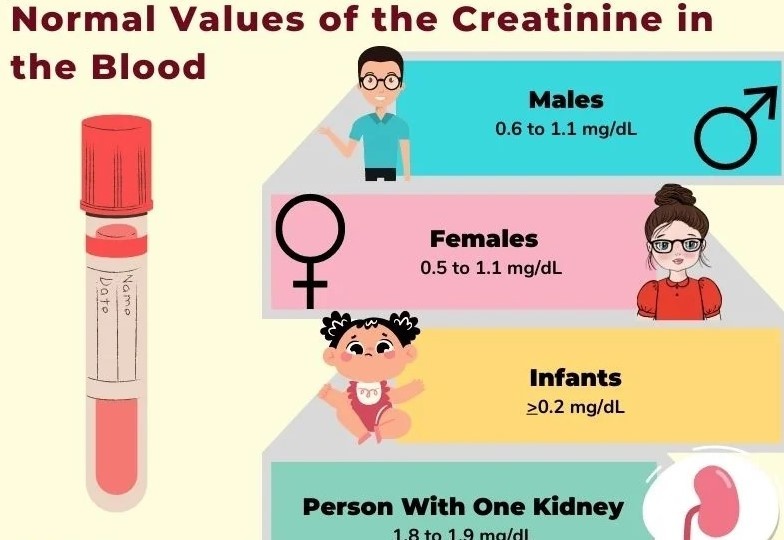 ritmo costante attraverso la normale degradazione muscolare e l’attività fisica quotidiana. Il suo quantitativo dipende dalla massa muscolare, dall’età, dalla dieta e dall’attività di una persona; un culturista avrà naturalmente un livello di creatinina maggiore. Quando essa entra nel flusso sanguigno, i reni sani la filtrano quasi tutta e viene espulsa tramite l’urina. Un semplice esame del sangue determina il livello di creatinina sierica, un potente biomarcatore e un affidabile indicatore della filtrazione renale, con una variazione che va da 0.5 a 1.1 mg/dL per le donne e da 0.7 a 1.3 mg/dL per gli uomini. Livelli elevati possono significare che i reni non stanno filtrando adeguatamente o potrebbero essere dovuti a disidratazione, disturbi e lesioni muscolari, dieta ricca di proteine, esercizio fisico intenso, problemi di salute in gravidanza, o assunzione di farmaci. Se il livello aumenta, i sintomi abituali sono perdita di appetito, nausea, vomito, prurito, anemia e, negli stadi più avanzati, difficoltà di respirazione. I livelli bassi sono rari, in gran parte dovuti a malnutrizione, disturbi dei nervi, perdita di massa muscolare dovuta all’invecchiamento o una malattia prolungata.2,9-13
2.2 L’eGFR (velocità di filtrazione glomerulare stimata), un indicatore della funzionalità renale più accurato e 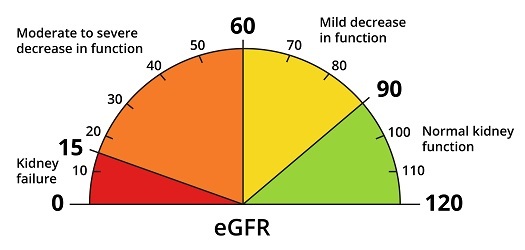 complessivamente migliore, ci dice quanti ml al minuto vengono filtrati dal rene. A questo si arriva con precisione usando una formula matematica che combina il livello standard di creatinina nel sangue con l’età, il sesso e la corporatura del paziente. Un eGFR pari a 90mL/min/1.73m2 o maggiore viene considerato sano e normale; un valore inferiore segnala una funzionalità renale ridotta. L’eGFR contribuisce a determinare lo stadio della malattia renale cronica.9-13
2.3 Il test BUN (azoto ureico ematico): Quando digerisce le proteine, il fegato produce una sostanza di scarto, l’urea, che viene trasportata attraverso il sangue sotto forma di azoto e filtrata dai reni. Il test BUN misura la quantità di azoto ureico che rimane nel sangue, che varia secondo l’età e il sesso. L’intervallo di riferimento per le femmine adulte è di 6-21mg/dL e per i maschi 8-24 mg/dL. Livelli elevati di BUN possono venire provocati da disidratazione, da una dieta ricca di proteine, o da una funzionalità renale ridotta. Tuttavia, quando sia i livelli di BUN che di creatinina sono elevati, vi è il forte sospetto di una disfunzione renale.13,14
2.4 Esame delle urine: uACR (Rapporto Albumina/Creatinina): Viene usato come strumento di screening per individuare segni precoci di danno renale se l’albumina, un tipo di proteina, nell’urina è oltre il valore normale di 30mg/g. Anche una costante schiuma densa o la presenza di bollicine nell’urina costituiscono un indicatore di proteine in eccesso nell’urina. Il test dell’urinocoltura può identificare i batteri o i funghi che provocano l’infezione del tratto urinario (UTI) e contribuisce a gestirla prontamente evitando che si diffonda ai reni.2,9,13-15
2.5 Altri indicatori di disordini renali sono un livello squilibrato di elettroliti come sodio, potassio, calcio e fosforo nel 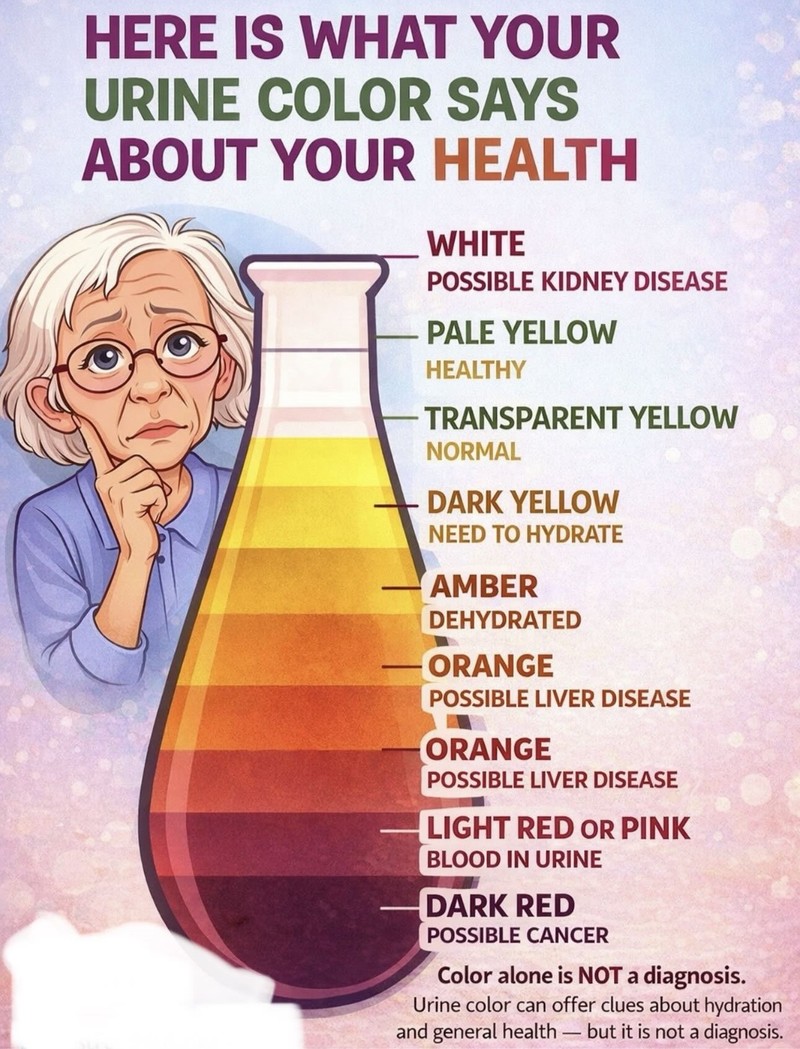 corpo, pressione sanguigna non controllata, e variazioni nel colore dell’urina. Il colore e l’odore dell’urina sono indizi iniziali per controllare la salute di reni e vescica e segnalare potenziali problemi come disidratazione, infezione e affaticamento renale. L’urina normale e sana sarà limpida, di colore giallo paglierino o giallo trasparente. Urine dal colore giallo più scuro o miele indicano che avete bisogno di un maggiore quantitativo di acqua. Un colore più scuro, brunastro, può indicare un problema epatico o una grave disidratazione; il marrone scuro come il tè o la cola rappresenta un segnale di malattia o insufficienza renale. Tali cambiamenti sono più frequenti nelle donne, negli anziani e in coloro che presentano una storia familiare di calcoli renali o vescicali; quando durano più di qualche giorno e non sono legati al cibo o ai medicinali, si dovrebbe consultare un medico.16,17
3. Disturbi renali
3.1 Infezione del Tratto Urinario (UTI): Il tratto urinario comprende la vescica, l’uretra e 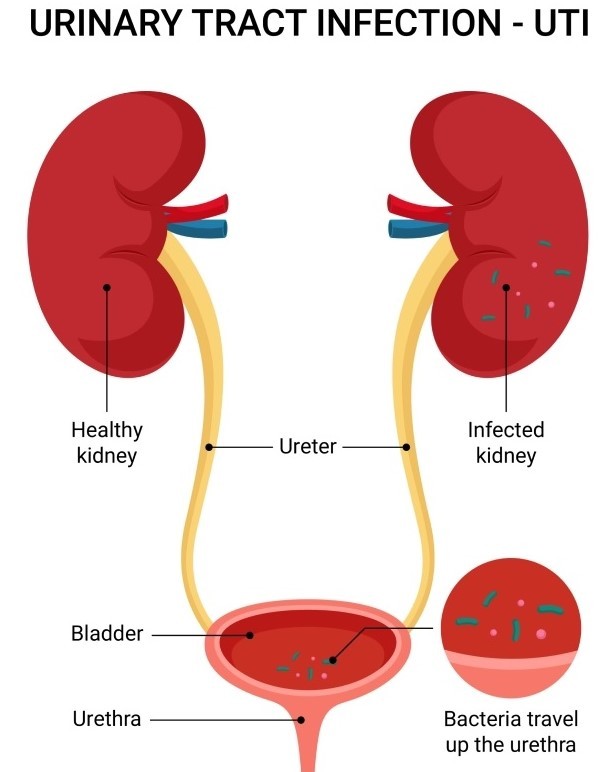
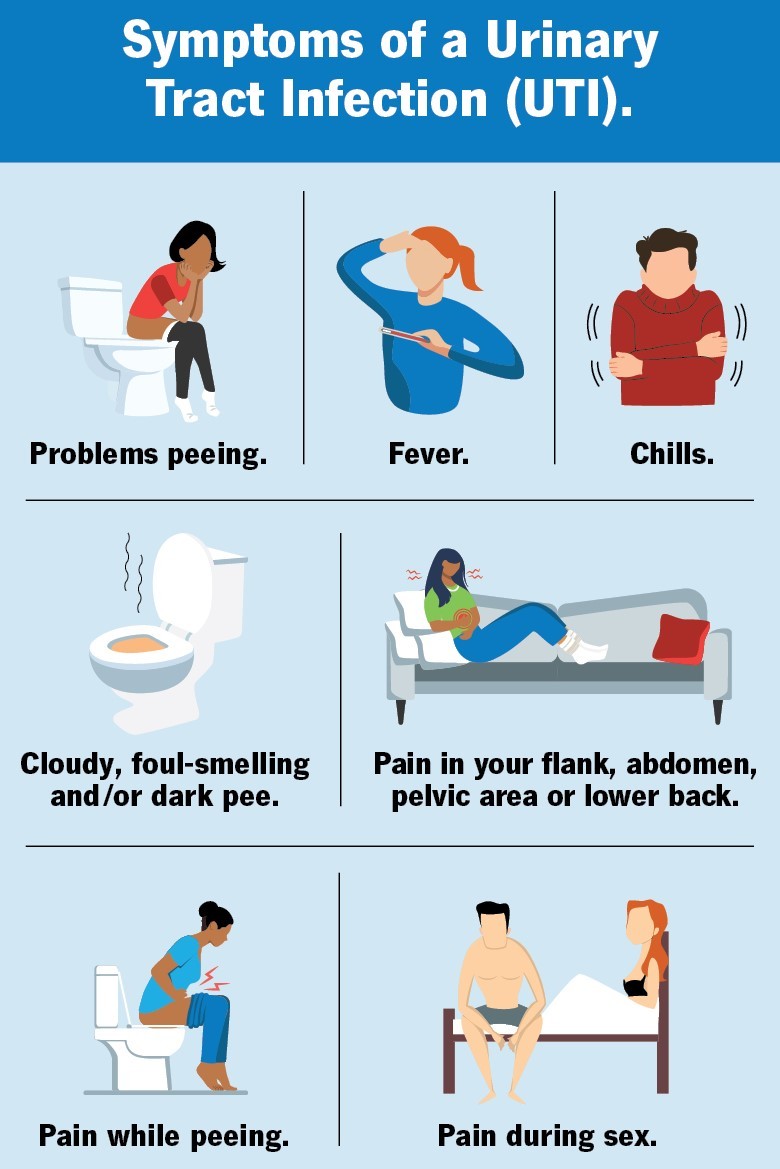 i reni, l’UTI si riferisce ad un’infiammazione dovuta ad un’infezione batterica spesso localizzata nel tratto urinario inferiore, con sintomi di dolore o bruciore durante la minzione; inoltre, l’urina può essere leggermente tinta di rosso, verdognolo, torbida o scura; molto comune nelle femmine a causa dell’uretra più corta e vicina al retto. Un odore cattivo o pungente può indicare un’infezione batterica all’interno dell’uretra (uretrite), della vescica (cistite, la più comune) o dei reni (pielonefrite, meno comune ma più grave). Altri sintomi sono minzione frequente, sensazione di dover urinare anche con la vescica vuota, urina con presenza di sangue oppure pressione o crampi all’inguine o alla parte inferiore dell’addome; inoltre, febbre, brividi, dolore acuto alla parte inferiore o laterale della schiena, e nausea o vomito nei casi gravi.18-22
3.2 I calcoli renali (nefrolitiasi), più comuni negli uomini, si manifestano quando i cristalli formatisi nell’urina si 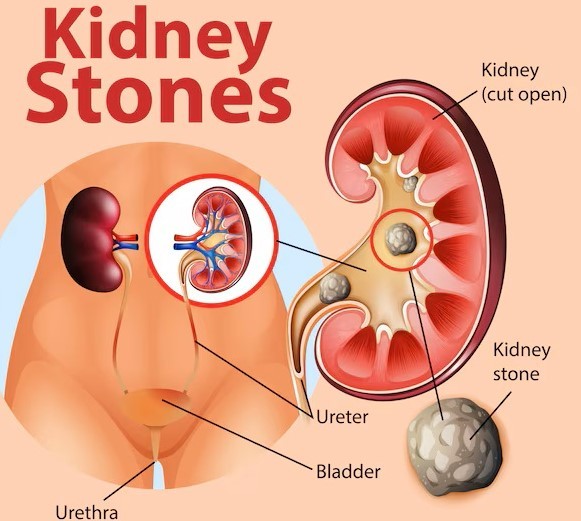
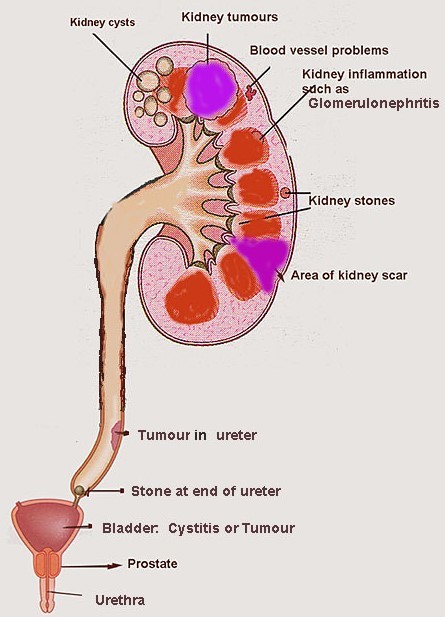 uniscono insieme fino a diventare dei sassolini nella vescica, nei reni o negli ureteri, ostruendo il flusso dell’urina. I sintomi più comuni sono rappresentati, come nel caso dell’UTI, da dolore alla parte inferiore o laterale della schiena o dell’addome, e da necessità urgente o frequente di urinare. I calcoli piccoli come un granello di sabbia possono venire espulsi attraverso l’urina, anche se in maniera talvolta dolorosa; quelli più grandi possono invece rimanere intrappolati negli ureteri o nell’uretra. Gli alimenti ricchi di ossalati, di sodio o di zucchero, oppure poveri di calcio, integratori di vitamina C e Calcio, e una insufficiente assunzione d’acqua ne sono le cause principali; le proteine animali possono causare calcoli di acido urico. La stranguria è un segnale d’allarme relativo ad un problema sottostante di calcoli o di tumore con sintomi rappresentati da una necessità acuta, urgente e continua di urinare, accompagnati da dolorosi spasmi crampiformi alla parte inferiore dell’addome, con il rilascio di poche gocce di urina alla volta e solo sforzandosi.23,24
3.3 L’incontinenza notturna (o enuresi notturna) è il rilascio accidentale di urina durante il sonno e può colpire bambini, adolescenti e anche adulti. La maggior parte dei bambini smettono spontaneamente di farlo man mano che crescono e acquisiscono un miglior controllo della vescica. Diventa preoccupante se il vostro bambino ha più di 12 anni e continua a bagnare il letto due volte alla settimana per almeno tre mesi di seguito. Sebbene non sia grave, può essere stressante. Potrebbe trattarsi di un fattore genetico o di una sottostante condizione di salute. Le cause fondamentali sono una lenta maturazione della vescica, ritmi di sonno profondo o un problema di tipo neurologico, bassi livelli di vasopressina – l’ormone antidiuretico (ADH), o un problema di fondo come stitichezza, UTI, diabete, o apnea notturna. Tali persone dovrebbero evitare di bere acqua almeno due ore prima di andare a dormire.25
3.4 L’ematuria è la presenza di globuli rossi nell’urina ed è caratterizzata da un colore rosso-rosato dell’urina, un segnale di allarme da prendere in esame; quando non è visibile, solo un esame di laboratorio la può identificare. Le cause possono essere rappresentate da UTI, cisti, esercizio fisico intenso o lesioni all’apparato urinario, ingrossamento della prostata negli uomini, endometriosi nelle donne, anemia falciforme che colpisce i globuli rossi, malattie renali, o cancro.26
3.5 Gravi malattie renali: La malattia renale viene spesso definita un ‘killer silenzioso’ poiché i reni possono 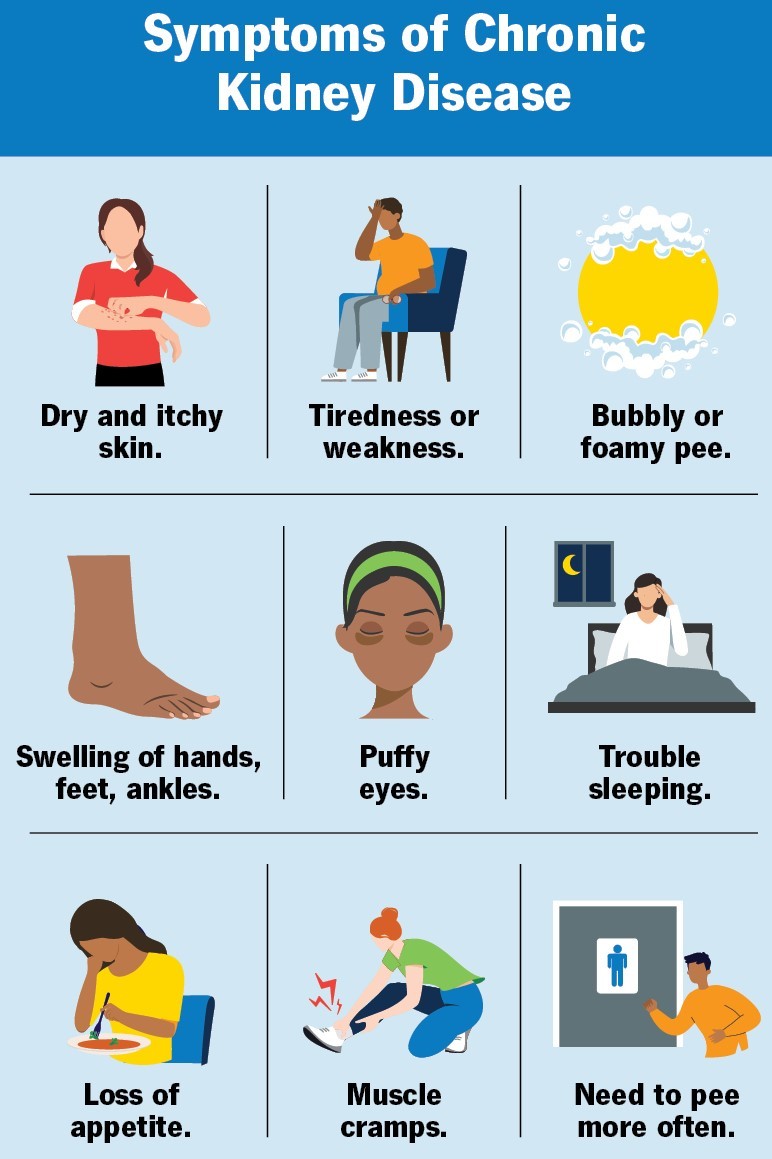
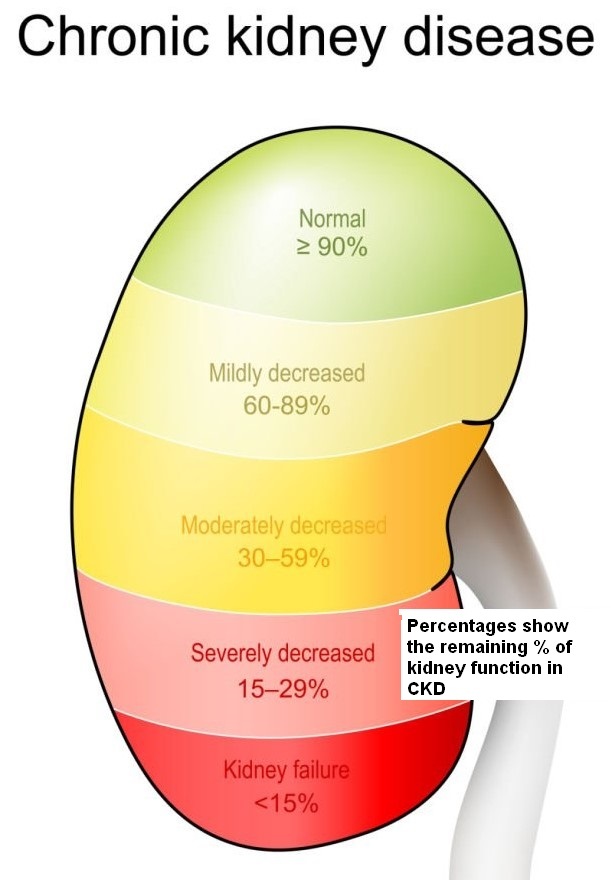
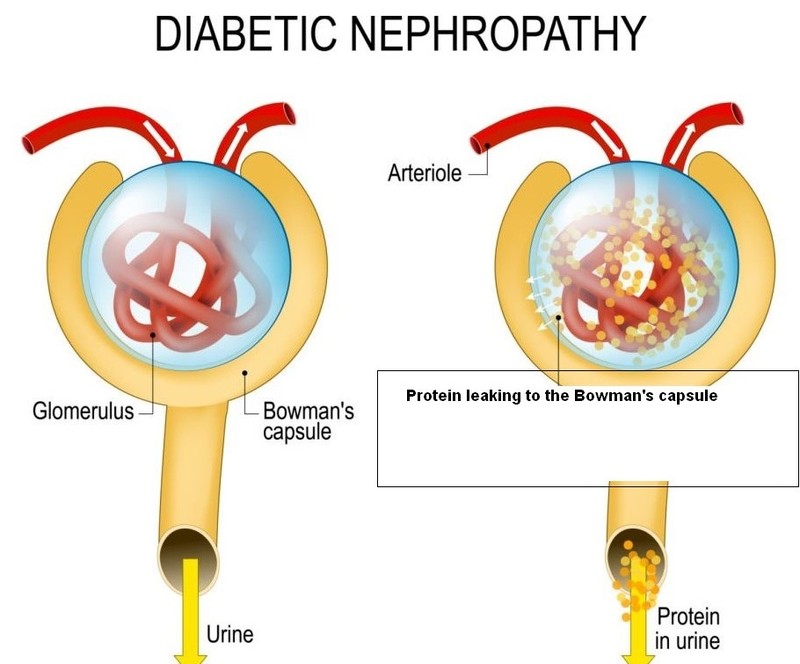
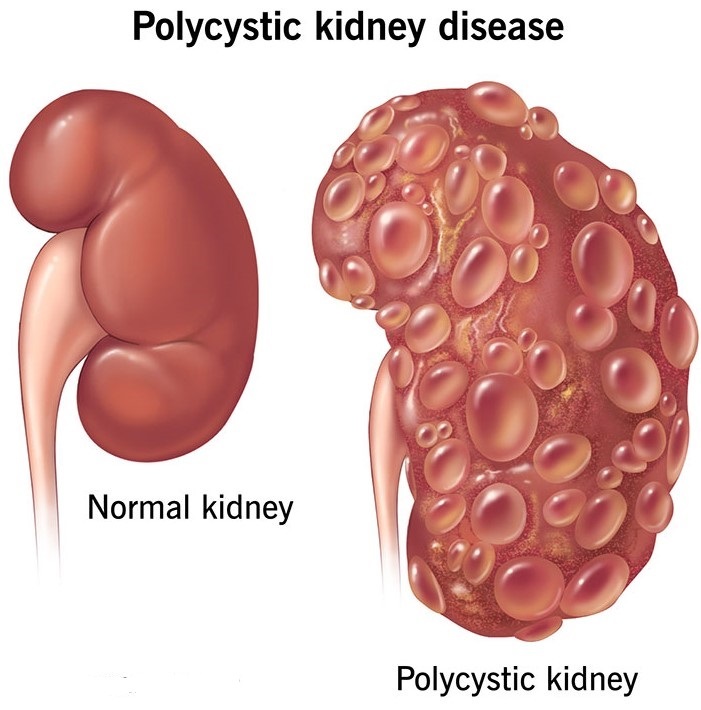 continuare a funzionare efficacemente nonostante un danno significativo. Di conseguenza, i sintomi possono non apparire fino a quando il 60% della funzionalità renale non sia già andato perduto. La malattia renale cronica (MRC) e la nefropatia, sono solitamente causate da un’ipertensione cronica e da un diabete non controllato, si sviluppano nel corso di mesi o anni e sono di solito irreversibili. Vi è una pericolosa relazione reciproca tra pressione sanguigna e reni. L’ipertensione li danneggia, ma anche i reni malati causano pressione elevata obbligando il corpo a trattenere sale e acqua, creando un circolo vizioso. La MRC progredisce in cinque stadi, a partire da uno stadio leggero fino a quello dell’insufficienza renale. Soltanto durante il terzo stadio i sintomi possono diventare evidenti – minzione frequente, stanchezza, perdita di appetito, mancanza di respiro, gonfiore alle mani, alle caviglie, ai piedi e occhi gonfi, urina schiumosa o con presenza di bolle, pelle secca e pruriginosa, scurimento della pelle, intorpidimento, crampi muscolari, ipertensione, nausea o vomito, difficoltà a concentrarsi o a dormire. Oltre a questi sintomi, la nefropatia presenterà una persistente presenza di proteine nelle urine. Nel caso della malattia renale policistica (PKD), si ha la formazione di cisti a causa di una condizione genetica che porta a ipertensione e insufficienza renale.2,27,28
3.6 I disturbi che possono colpire i reni sono l’acidosi – un eccesso di acido di cui i reni non riescono a liberarsi e 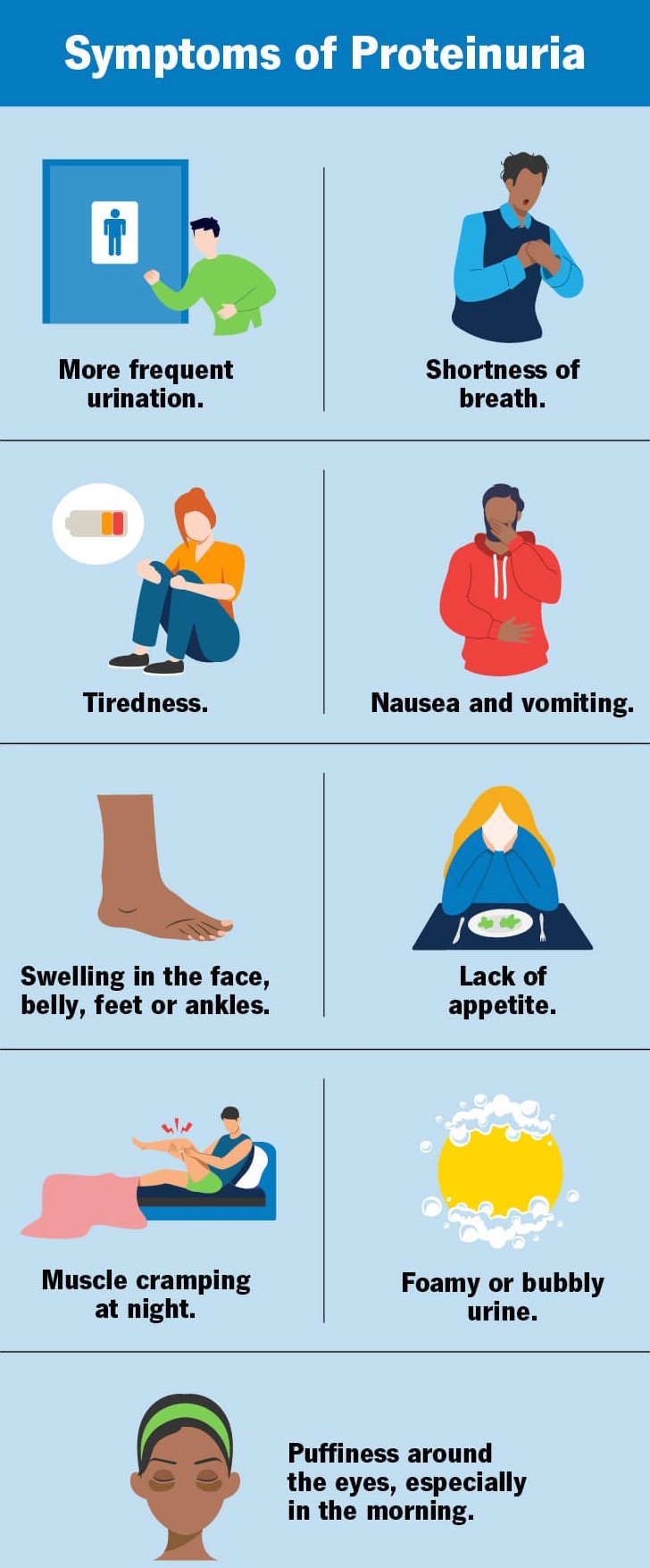
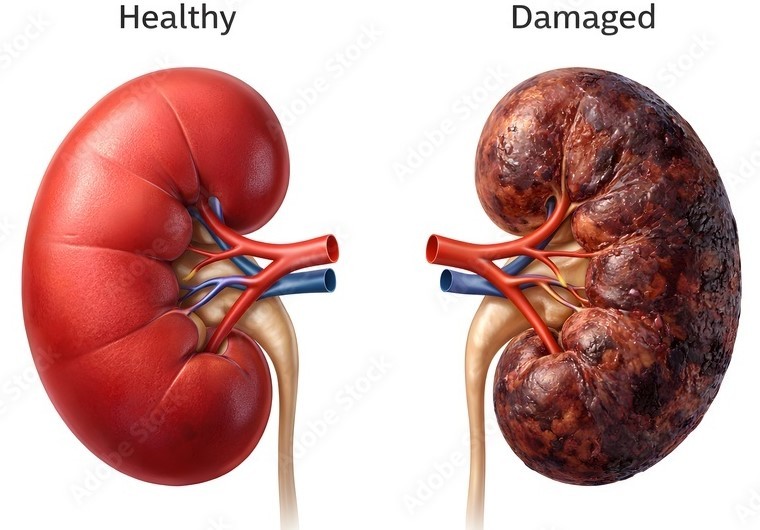
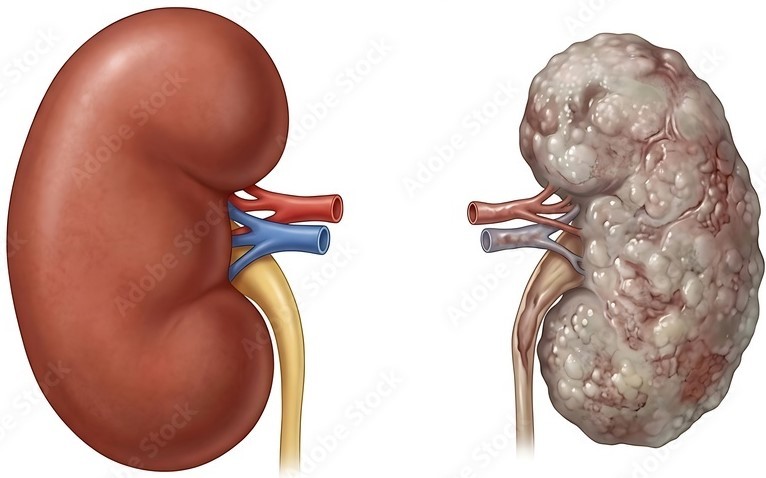 che quindi finisce nel flusso sanguigno; la nefrite acuta dovuta ai reni infiammati; l’azotemia in cui i prodotti azotati di scarto si accumulano nel sangue; l’idronefrosi in cui l’apparato urinario si blocca; la proteinuria dovuta ad un elevato livello di proteine nell’urina – un segnale di danno renale; l’uremia in cui le tossine non vengono eliminate dai reni. Le persone affette da diabete e da ipertensione sono ad alto rischio di disordini renali; infortuni e traumi possono inoltre danneggiare i reni.2
3.7 L’insufficienza renale può manifestarsi improvvisamente a causa di un danno acuto ai reni (AKI, spesso reversibile se trattato tempestivamente), dovuto a grave disidratazione, tossine o improvviso calo del flusso sanguigno. Nello stadio finale di una malattia renale, quando i reni cedono, l’unica opzione è rappresentata dalla dialisi o dal trapianto renale.9
3.7.1 La dialisi non può sostituire tutte le funzioni renali relative al sangue e alla sintesi ossea. Perciò, i pazienti

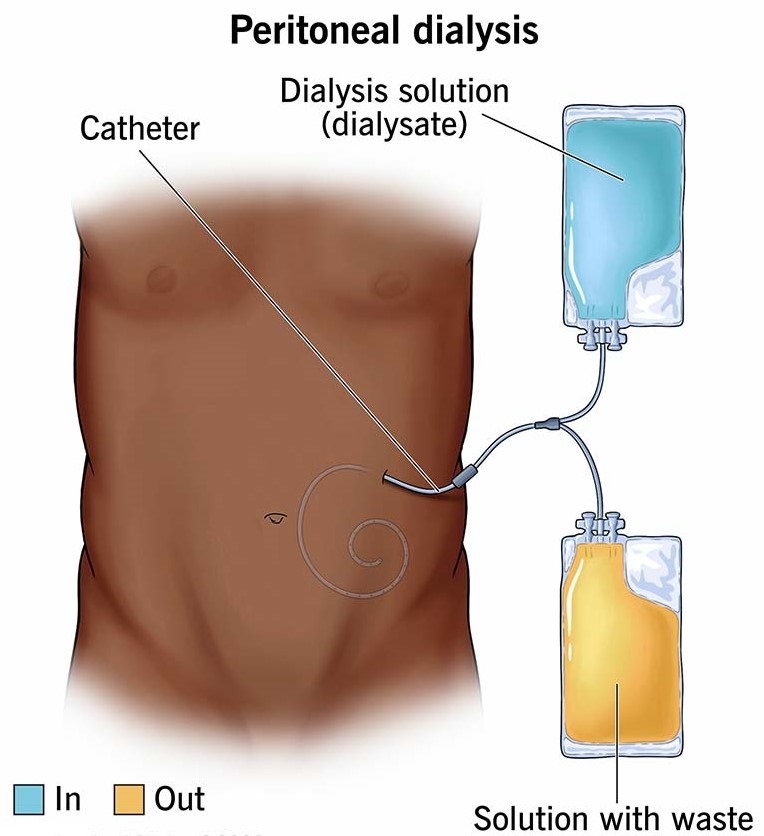
possono sviluppare anemia o disturbi del metabolismo osseo, ipertensione o un benessere fisico ridotto.9
3.7.2 Il trapianto renale è l’opzione finale, ammesso che vi sia un donatore disponibile. Dopo il trapianto, si devono 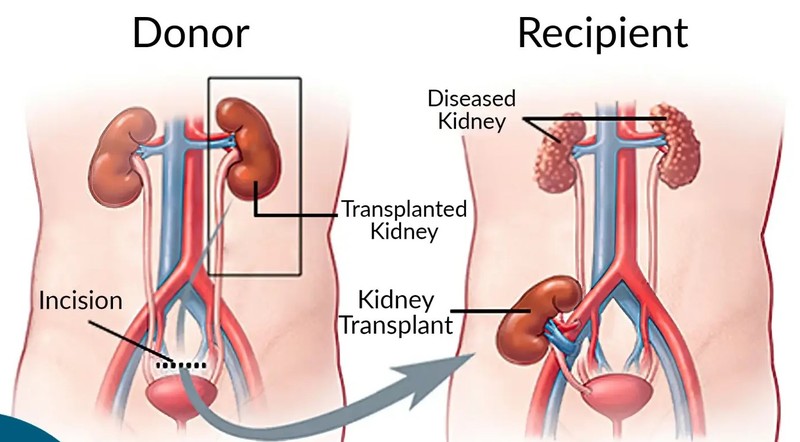 assumere immunosoppressori per tutta la vita, altrimenti il corpo potrebbe rigettare il rene del donatore.9
4. La vita con un solo rene!
Il rene è uno degli organi di riserva del nostro corpo. Si presenta in coppia, come molti altri organi vitali, principalmente per mantenere una simmetria bilaterale e fornire una riserva in caso di malattia o danno ad uno dei due. La maggior parte delle persone può vivere bene con un solo rene. Chi è nato con un solo rene, possiede una funzione renale complessiva spesso normale. Si può donare un rene a qualcuno che ne ha bisogno, e l’altro assume rapidamente la funzione di entrambi, raggiungendo spesso il 70% dell’efficienza originale.Un rene singolo deve lavorare di più, è più vulnerabile ai danni, necessita per tutta la vita di regolari controlli della pressione sanguigna e della creatinina. Il rene trapiantato è meno protetto di uno normale poiché viene solitamente posizionato nella pelvi. Chi ha un solo rene funzionante dovrebbe evitare gli sport come il pugilato, la lotta, le arti marziali, l’hockey su prato o su ghiaccio e il football. Si dovrebbe prestare attenzione nel mantenere una dieta e un’idratazione secondo quanto consigliato dal medico. Il rene proveniente da un donatore vivente funziona in media da 15 a 20 anni, contro i 10 o 15 nel caso di un donatore deceduto. Dopodiché, ci si può sottoporre ad un altro trapianto renale.29-32
5. Consigli per la salute renale2,11,33-37
- Mantenetevi ben idratati – essenziale per una depurazione naturale, un adulto normale dovrebbe bere 2-3 litri di acqua semplice al giorno – la migliore amica dei reni!
- Seguite una dieta amica dei reni – assaporate una dieta nutriente e ricca di fibre, grassi salutari, una moderata quantità di proteine vegetali di alta qualità; inserite erbe e spezie come tulsi (basilico), zenzero, aglio, prezzemolo, origano, rosmarino e pepe, anziché troppo sale; scegliete frutti come le bacche, soprattutto mirtilli, ciliegie, agrumi, ananas e mele; Niente zuccheri aggiunti!
- Adeguate la vostra dieta se soffrite di una malattia renale avanzata. Chi presenta un significativo deterioramento renale o è in dialisi, può avere necessità di limitare l’apporto di liquidi e di ridurre gli alimenti ricchi di potassio, come banane, mango, pomodori e patate, e di fosforo, ad esempio latticini e bevande scure tipo cola.
- Evitati sforzi renali inutili. Limitate alimenti lavorati e ricchi di sodio, bevande zuccherate, alcol e tabacco. Usate antidolorifici da banco come aspirina e ibuprofene solo quando necessario e sotto supervisione medica. Evitate integratori non necessari, soprattutto alte dosi di calcio e di vitamina C.
- Controllate regolarmente la vostra salute renale. I test annuali per la funzione renale sono particolarmente importanti per coloro che soffrono di ipertensione, diabete, malattie cardiache, obesità, storia familiare di malattie renali, infezioni ricorrenti, o regolare assunzione di farmaci.
Riferimenti e Collegamenti
- Sathya Sai Speaks, Summer Course, 17 May 2000, Brindavan: https://saispeaks.sathyasai.org/discourse/human-body-and-its-importance
- Structure and functions of kidneys: https://my.clevelandclinic.org/health/body/21824-kidney
- https://www.hopkinsmedicine.org/health/wellness-and-prevention/anatomy-of-the-urinary-system
- Function of kidneys video: https://www.youtube.com/watch?v=CShAIAD-ask
- https://byjus.com/biology/human-excretory-system/
- https://www.niddk.nih.gov/health-information/kidney-disease/kidneys-how-they-work
- https://www.urologyhealth.org/healthy-living/urologyhealth-extra/magazine-archives/winter-2023-kidney-lumps-n-bumps/insights-what-do-the-kidneys-do-and-why-do-we-have-two
- https://www.nuhospitals.com/blog/know-your-kidneys/
- https://www.era-online.org/publications/understanding-kidneys/
- Parameters of kidney health: https://medlineplus.gov/lab-tests/creatinine-test/
- Understanding creatinine levels: https://www.apollo247.com/diagnostic-health-topics/creatinine-serum/your-kidney-health-monitor-understanding-and-managing-creatinine-levels
- Ideal Creatinine level: https://www.youtube.com/watch?v=hoCmv7ZpxAg
- Kidney function tests: https://my.clevelandclinic.org/health/diagnostics/21659-kidney-function-tests
- BUN blood test: https://my.clevelandclinic.org/health/diagnostics/17684-blood-urea-nitrogen-bun-test
- Urine tests: https://www.healthline.com/health/normal-urine-test-results-chart
- Urine changes: https://my.clevelandclinic.org/health/diseases/15357-urine-changes
- Colour of urine: https://www.kidney.org/kidney-topics/what-color-your-urine-means
- UTI basics: https://www.cdc.gov/uti/about/index.html
- UTI: https://my.clevelandclinic.org/health/diseases/9135-urinary-tract-infections
- https://my.clevelandclinic.org/health/diseases/22858-urethritis
- https://my.clevelandclinic.org/health/diseases/21203-bladder-inflammation-cystitis
- Kidney infection: https://my.clevelandclinic.org/health/diseases/15456-kidney-infection-pyelonephritis
- Kidney stones: https://jsshospital.in/early-signs-of-kidney-stones/
- https://my.clevelandclinic.org/health/diseases/15604-kidney-stones
- Bedwetting: https://my.clevelandclinic.org/health/diseases/15075-bedwetting
- Haematuria/Blood in urine: https://my.clevelandclinic.org/health/diseases/15234-hematuria
- CKD: https://my.clevelandclinic.org/health/diseases/15096-chronic-kidney-disease
- Diabetic nephropathy: https://www.hopkinsmedicine.org/health/conditions-and-diseases/diabetes/diabetic-nephropathy-kidney-disease
- Organs in pairs: https://www.health.harvard.edu/blog/kidneys-eyes-ears-and-more-why-do-we-have-a-spare-202310202984
- https://www.kidney.org/kidney-topics/children-born-one-kidney#
- https://www.kidneyresearchuk.org/kidney-health-information/about-kidney-disease/living-with-one-kidney/
- https://www.health.harvard.edu/diseases-and-conditions/weak-kidneys-pay-attention-but-dont-worry-excessively
- Kidney friendly diet plan: https://www.kidneyfund.org/living-kidney-disease/healthy-eating-activity/kidney-friendly-eating-plan
- https://www.kidney.org/news-stories/spice-your-diet-7-kidney-friendly-seasonings
- https://www.healthline.com/health/kidney-cleanse#takeaway
- Kidney friendly fruits: https://www.medicinenet.com/what_fruit_is_good_for_kidneys/article.htm
- https://www.freseniuskidneycare.com/thrive-central/fruits-for-kidney-disease
_________________________________________________________________________________________
2. Incontri & Seminari
2.1 Messaggio dei Fondatori, Sai Nilayam, Puna, Maharashtra, 1 Marzo 2026
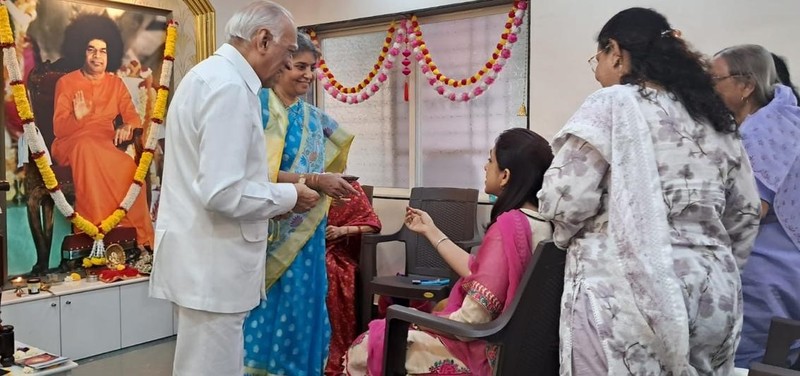
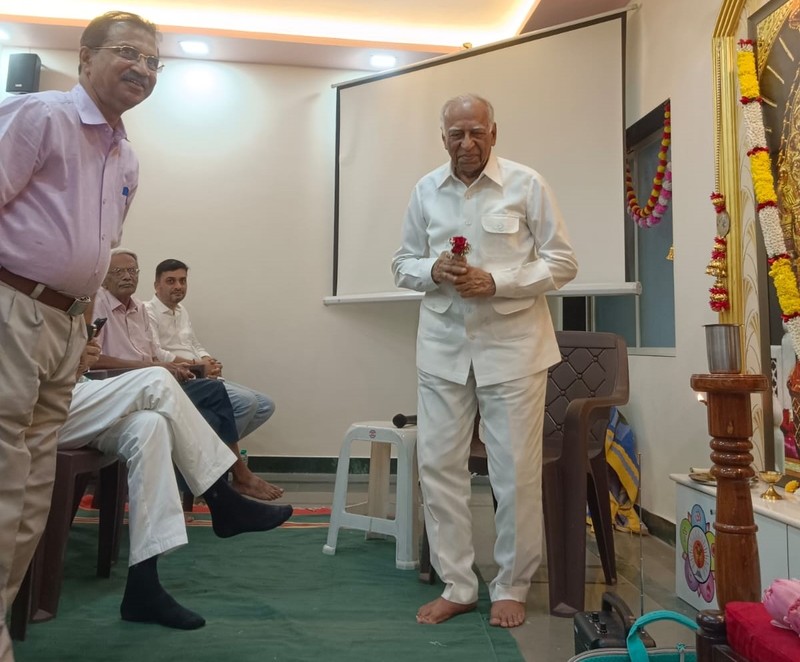
Il 1° marzo 2026, il Responsabile10375 della Formazione SVIRT, insieme a 12 praticanti di Puna, è stato lieto di accogliere i fondatori e la loro figlia, Membro SVIRT 00030, nella propria città. La visita è cominciata con una sessione interattiva durante la quale il Dr. Aggarwal ha chiarito le domande dei praticanti e ha distribuito i distintivi di Vibrionica ai partecipanti entusiasti. Ha fatto seguito un programma di sensibilizzazione sulla Sai Vibrionica, seguito da circa 50 devoti, diversi responsabili di Comitato, e dal Coordinatore Spirituale Nazionale della SSSO Sri Krishna Revankar, che ha onorato l’occasione. Il programma ha avuto inizio con l’accensione della lampada e un messaggio di benvenuto, seguito dai discorsi dei fondatori.
Il Dr. Aggarwal ha tracciato le origini della Sai Vibrionica a Puttaparthi e Whitefield con le benedizioni di Swami nel 1994. Ha raccontato come, nei primi anni, molti devoti, soprattutto dall’estero, sono stati formati nella loro stanza dell’ashram a Prasanthi Nilayam. Ha inoltre spiegato la natura sottile delle vibrazioni, il funzionamento dei rimedi vibrazionali e la dedizione richiesta per servire i pazienti attraverso questo seva di guarigione.
La signora Hem Aggarwal ha condiviso edificanti esperienze tratte dalla sua pratica e ha risposto alle domande del pubblico. I praticanti hanno trasmesso il loro amore e la loro gratitudine presentando dei doni ai fondatori, che sono stati particolarmente lieti di ricevere la bella statua di Dagdusheth Ganapati. Il programma si è concluso con l’arathi e la distribuzione del prasadam.

2.2 Incontro on-line a West London, Regno Unito, 17 Maggio 2026
Il Coordinatore 02822 del Regno Unito ha dato inizio all’incontro con le consuete preghiere e il benvenuto a 16 partecipanti entusiasti. I punti salienti annoveravano:
Il praticante02829, un medico in attività, ha presentato un estratto su Compassione, l’Energia Cosmica, tratto dalla Serie Soham di Natural Healing p4 vol 6-7. Swami Narayani spiega che il ruolo di un praticante non è quello di guarire, bensì di essere un umile canale della compassione divina. I praticanti dovrebbero rivolgersi ad ogni paziente con amore, rispetto e la consapevolezza di trovarsi su un suolo sacro. Un sorriso gentile, un ascolto attento o una sincera compassione (non pietà) aiutano il paziente a sentirsi al sicuro, tenuto in considerazione e aperto alla guarigione. L’abbandono dell’ego e il riconoscimento della divina presenza all’interno di voi stessi e del paziente, permette all’energia guaritrice di fluire in maniera naturale. La vera guarigione inizia quando il paziente viene visto non come una malattia ma come un essere intrinsecamente integro e puro.
La praticante02802, un medico di base, ha sottolineato nella sua presentazione che la maggior parte delle malattie presenta una componente psicosomatica, ad esempio ansia, paura e risentimento, di cui dobbiamo liberarci. La sua presentazione Power Point includeva un grafico della Frequenza Emotiva che mostrava come le frequenze superiori a 500 siano positive, e che un mezzo sicuro per elevarle può essere l’affermazione di Hoponopono. Ha presentato i “9 pilastri” di uno stile di vita sano, vale a dire: alimentazione equilibrata, attività fisica + respirazione profonda, benessere mentale + sonno, evitare sostanze nocive, controlli preventivi della salute, igiene & sicurezza, connessione sociale & relazioni, fede spirituale e gioia. La Presentazione Power Point completa è disponibile sul nostro sito dei praticanti nella sezione download sotto la voce Moduli.
La praticante02894 ha condiviso le sue straordinarie esperienze in cui la Vibhuti si era materializzata in maniera specifica per i singoli pazienti, con manifestazioni che parevano essere direttamente correlate ai loro disturbi. Sono state lette altre Esperienze Straordinarie & Casi Clinici del Regno Unito pubblicati in occasione dell’offerta per il centenario.
L’incontro è terminato con le espressioni di apprezzamento per i relatori, i collaboratori e l’apprendimento condiviso, per poi concludersi con una preghiera di serenità e di devota gratitudine.
Concetti chiave: Le regolari discussioni dei casi rafforzano la fiducia e l’apprendimento; in casi di emergenza, il supporto medico e gli strumenti per la riduzione dello stress possono trasmettere un rapido sollievo e favorire la guarigione.

2.3 Primo Seminario Annuale di Aggiornamento Globale Virtuale, 30-31 Maggio 2026
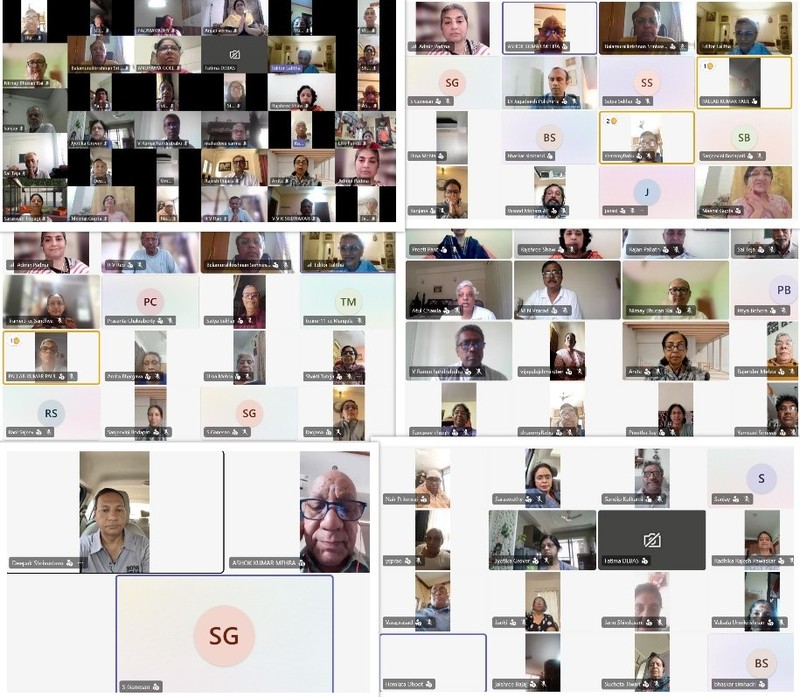
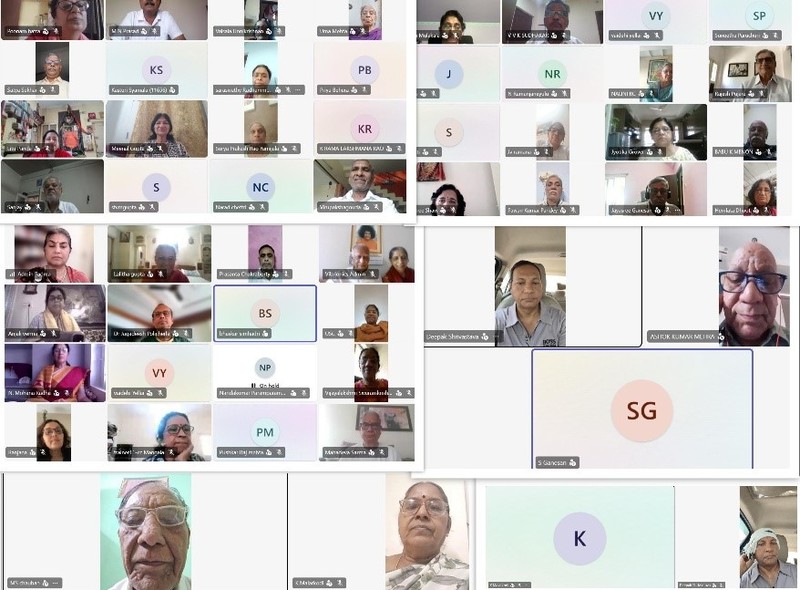
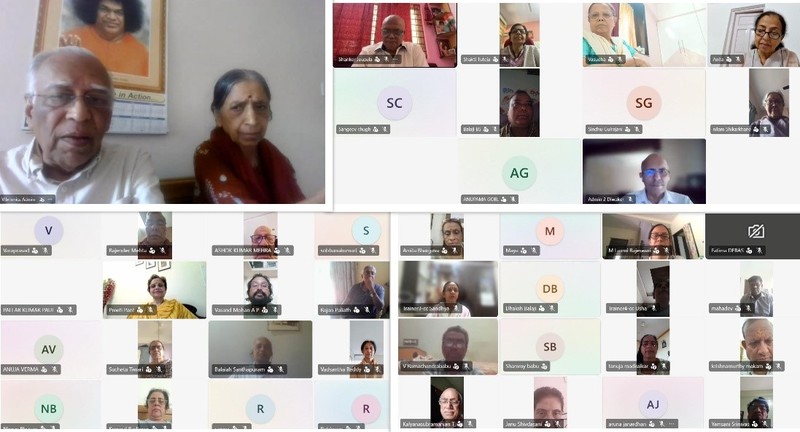
L’aggiornamento si è rivelato un’esperienza davvero rigenerante per più di 120 praticanti provenienti da India, Stati Uniti, Francia e Nuova Zelanda. L’entusiasmo, l’impegno effettivo e i riscontri estremamente positivi sono stati così incoraggianti che l’incontro di Aggiornamento per i Praticanti, d’ora in poi, si terrà ogni anno durante l’ultimo fine settimana di maggio.
La prima giornata si è aperta con la presentazione da parte dei due Insegnanti Esperti10375 & 11422, che hanno parlato di Pratiche di Vibrionica in Evoluzione e Stesura di Casi Clinici di Successo. Il secondo giorno, l’Insegnante di Vibrionica11567 ha offerto una preziosa guida sulle diete indicate per vari disturbi, concludendo con consigli pratici su cosa fare e cosa evitare. L’Amministratore11964 ha poi presentato un’approfondita panoramica dello SVIRT, dei suoi nove settori e dei processi amministrativi.
Il punto culminante dell’incontro è stato un messaggio profondamente stimolante del Dr. Aggarwal, arricchito dalle conoscenze pratiche della signora Hem Aggarwal. Il loro messaggio principale ha sottolineato che la vera essenza della vibrionica sta nel curare con amore disinteressato e con cuore puro, libero dai sei vizi. Mentre i praticanti canalizzano le divine vibrazioni curative attraverso semplici pillole di zucchero, la fede, la purezza di pensiero e la preghiera sincera diventano gli ingredienti essenziali per ottenere i migliori risultati. Sebbene le linee guida, la conoscenza e il servizio dedicato al paziente siano importanti, uguale importanza va attribuita alla trasformazione interiore, al rivolgere lo sguardo dentro di sé, al purificare sé stessi, e al permettere al Suo amore di fluire attraverso ogni trattamento.
Il programma si è concluso con una sessione interattiva di domande e risposte, durante la quale i partecipanti hanno ricevuto maggiore chiarezza sull’approccio evolutivo e aperto al trattamento di pazienti che potrebbero far uso anche di rimedi omeopatici o ayurvedici. Si è inoltre discusso di includere, nelle ore del rendiconto mensile, anche il tempo di studio dedicato all’approfondimento della conoscenza sulla vibrionica.
_________________________________________________________________________________________
3. Campi sanitari & ambulatori
SSS Seva Samithi, Aundh, Puna, Maharashtra, 8 Giugno 2026
La praticante10375 ha condotto un campo sanitario di vibrionica speciale di due ore e mezza presso la sede dello Sri Sathya Sai Prema Pravahini Rath. Undici pazienti sono stati trattati per svariati disturbi, tra cui herpes, verruche, psoriasi, lipoma, artrite e dipendenze. Sono stati distribuiti opuscoli e volantini sulla vibrionica a numerosi devoti, generando un notevole interesse. Diversi partecipanti hanno poi programmato appuntamenti per consultare la praticante presso il suo ambulatorio.

_________________________________________________________________________________________
4. Aneddoto
Dal Diario del Dr. Jit Aggarwal – Paduka in valigia: Silenziose Sentinelle al Confine
Era il mese di luglio del 1999, il mese in cui Swami ci inviò per il nostro primo seminario attraverso quattro paesi Balcanici. La regione stava ancora tremando per le conseguenze della guerra in Yugoslavia; i ricordi delle atrocità erano ancora dolorosamente vivi, e ad ogni attraversamento di confine tra le nazioni appena divenute indipendenti si aveva la sensazione di entrare in una zona sospetta. I posti di blocco armati erano carichi di tensione, intimidatori e inesorabili.
Avevamo scelto di andare in auto dalla Slovenia alla Croazia, portando con noi una valigia piena di apparecchi SRHVP, dispositivi innocui ma sconosciuti che avrebbero potuto essere facilmente incompresi. La nostra organizzatrice slovena, Natasha, era visibilmente ansiosa. Temeva che gli agenti alla dogana, già nervosi, potessero scambiare i potenziatori per qualche tipo di arma. Dopo molte discussioni, ci accordammo su una semplice strategia: impacchettare tutti gli apparecchi in una valigia specifica, nasconderli sotto gli indumenti, ed evitare di attirare l’attenzione su di essi. La sera prima della nostra partenza, mentre riordinava il nostro bagaglio, mia moglie Hem spostò i potenziatori in una valigia diversa, una decisione che prese sul momento dimenticando poi di parlarmene. Io non avevo quindi alcuna idea che fosse cambiato qualcosa.
Come previsto, fummo fermati al confine. Un agente ci ordinò di aprire il bagagliaio. Con una pistola puntata direttamente verso una valigia, sbraitò: “Cosa c’è in questa?” Io risposi onestamente e con calma: “Indumenti.” Non l’aprì. Soltanto Hem sapeva che quella era la vera valigia contenente tutti i potenziatori e i Paduka di Swami. Esalò un silenzioso, immenso sospiro di sollievo. Poi i poliziotti si rivolsero verso un’altra valigia e la aprirono. Mi si fermò il cuore. Ero sicuro che fosse quella che nascondeva gli apparecchi. Ma, quando la aprirono, vi trovarono dentro soltanto abiti ordinatamente ripiegati.
Fu solo più tardi che venni a sapere del cambiamento dell’ultimo minuto. La spontanea decisione di Hem, a me sconosciuta, ci aveva risparmiato ciò che avrebbe potuto essere un interrogatorio molto difficile e potenzialmente pericoloso. Grazie, Swami. Il seguito di questo episodio verrà pubblicato nel prossimo numero…
_________________________________________________________________________________________
5. In Memoria
Ricordandola con affetto, rendiamo omaggio alla nostra cara praticante Božica Belec 01272…Croazia, che ha lasciato  le sue spoglie mortali il 19 maggio 2026 all’età di 73 anni. Božica entrò nella cerchia di Swami nel 1995 e divenne una praticante di Vibrionica nel 1997. Per quasi tre decenni, offrì trattamenti amorevoli ai membri della sua famiglia, agli amici, ai vicini di casa e a tutti coloro che chiedevano il suo aiuto. Benedetta dal darshan di Baba durante le sue visite del 2007 e del 2008, trasse forza dalla sua fede per tutta la vita, anche durante la sua lunga battaglia contro la leucemia mieloide cronica e il successivo cancro al seno. Nonostante queste sfide, fornì sempre un sostegno emozionale ai suoi pazienti e a tutti coloro che le stavano accanto, e rappresentò per loro una fonte di preziosi consigli. Manca profondamente alla sua famiglia, agli amici e alla comunità Vibrionica, che la ricordano come una luminosa luce spirituale il cui amore e la cui generosità hanno toccato molte vite. Offriamo le nostre sentite preghiere affinché la sua nobile anima trovi eterna pace.